
For over 30 years, we’ve powered Rhode Island with expert electrical services delivered with a personal touch. Discover our story and commitment to quality.
Contact Info
Your home doesn’t go dark when Rhode Island Energy’s grid goes down. Your heat stays on during winter storms. Your food doesn’t spoil after three days without power.
If you work from home, you’re not losing income because your internet and computer shut off. If someone in your family needs powered medical equipment, you’re not making emergency calls at 2 AM. Your sump pump keeps running, so your basement doesn’t flood.
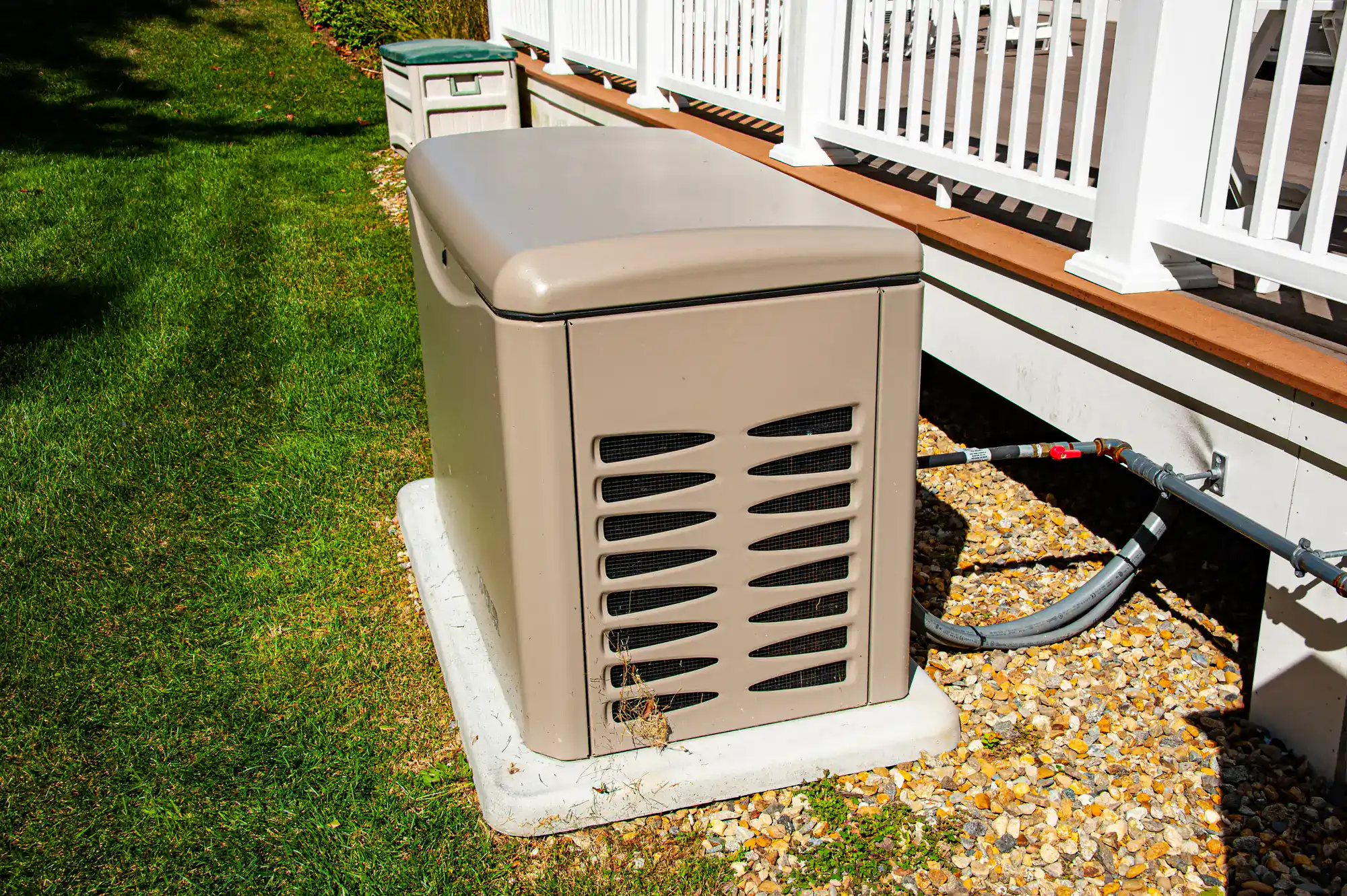
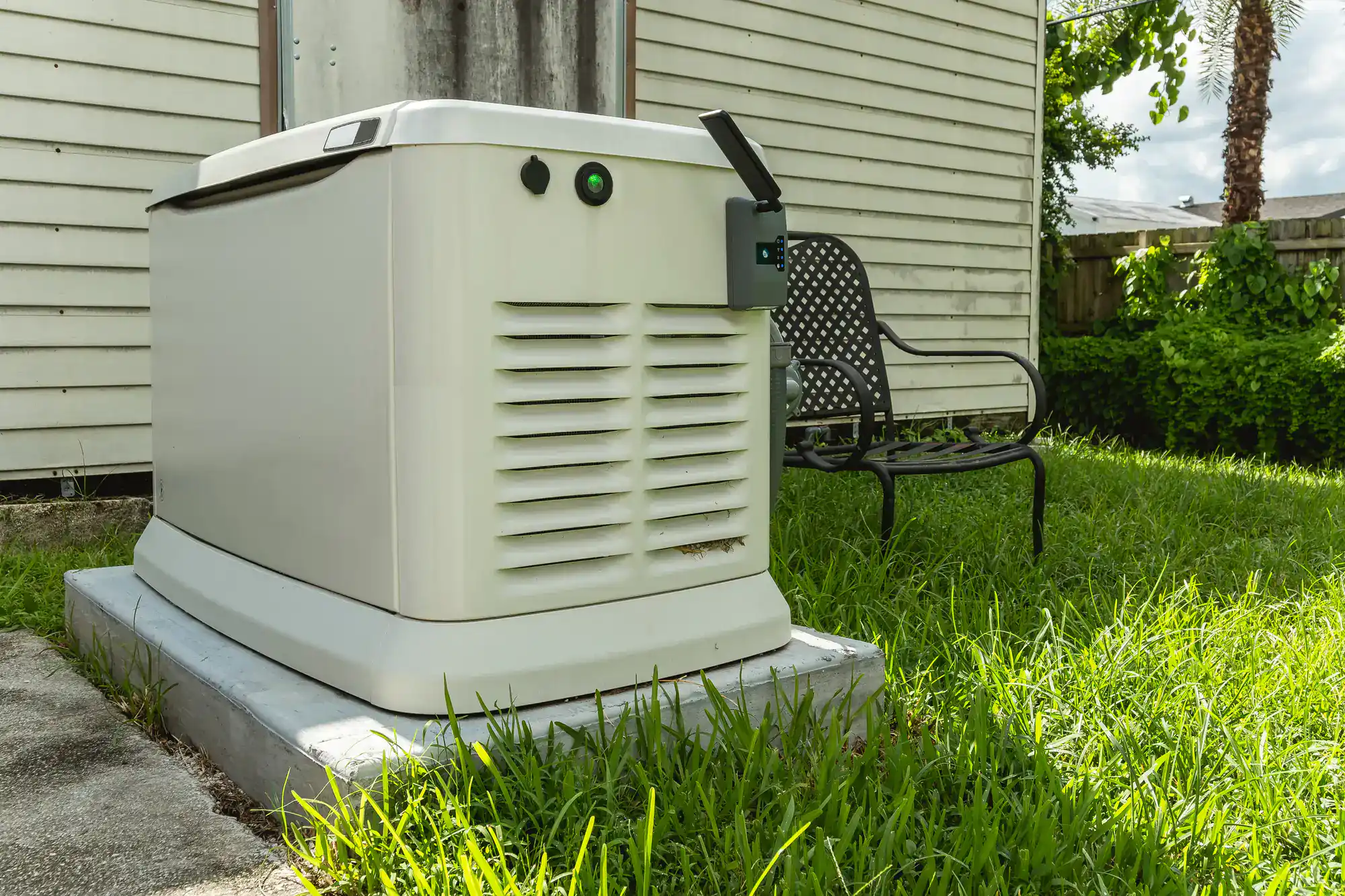
A standby generator installation in Lincoln, RI means automatic power within seconds of an outage. You don’t flip switches or haul a portable unit out of the garage in the rain. The system detects the outage, starts itself, and powers your home until the grid comes back.
That’s what changes after installation—less worry, zero scrambling, and a home that works when your neighbors’ don’t.
We’ve been handling electrical work across Rhode Island since before standby generators were common in residential neighborhoods. We’re a certified Generac dealer, which means factory training, proper installation standards, and warranty protection you won’t get from an unlicensed handyman.
Our team includes Master Electricians and Electrical Inspector Certified professionals. We’re members of the Rhode Island Electrical Inspectors IAEI, and we’ve completed over 1,500 commercial projects across the state.
In Lincoln, that experience matters. We know the local permitting process, the soil conditions that affect pad placement, and how nor’easters impact power lines in your area. When over 42,000 Rhode Island Energy customers lost power during recent storms, the homes with our generators kept running.
First, we assess your property and electrical panel to determine the right generator size for your home. That depends on what you want powered—whole house or essential circuits—and your existing electrical setup.
Once you approve the plan, we handle the permit with the town of Lincoln. Then we prepare the installation site, which usually means pouring a concrete pad or setting a composite base near your home. We place the generator, run the fuel line (natural gas or LP), and install the automatic transfer switch inside your electrical panel.
The transfer switch is what makes the system automatic. When it detects an outage, it signals the generator to start and switches your home’s power source from the grid to the generator. When utility power returns, it switches back and shuts the generator down.
After installation, we test the full system, walk you through basic operation, and submit final inspection paperwork. The whole process typically takes one to two days depending on your setup, and you’re left with a turnkey system that requires minimal involvement from you.
Ready to get started?
You get a complete installation handled by licensed electricians who know Lincoln’s electrical codes and permitting requirements. We’re not a general contractor subbing out the electrical work—we’re the electricians doing the actual installation.
That includes site prep, generator placement, fuel line connection (coordinated with your gas provider if needed), transfer switch installation, all electrical connections, system testing, and final inspection coordination. We also register your Generac warranty and show you how the system operates.
Lincoln homes face specific challenges during outages. When heavy snow weighs down power lines or wind gusts knock out transformers, restoration can take three days or more. Your pipes can freeze without heat, your sump pump stops working, and your refrigerator becomes a liability.
A home generator installation in Lincoln, RI addresses those risks directly. You’re not dealing with frozen pipes that burst and flood your home. You’re not replacing $400 worth of spoiled food. You’re not scrambling to find a hotel that still has availability during a regional outage.
For commercial properties, the stakes are even higher. Lost inventory, closed doors, and no way to process transactions add up fast. A commercial generator installation keeps your business operational when competitors are dark.
Most residential standby generator installations take one to two days from start to finish. Day one typically involves site preparation, setting the generator pad, placing the unit, and running the fuel line. Day two covers the electrical connections, transfer switch installation, system testing, and final walkthrough.
The timeline can extend if we’re waiting on the gas company to run a new natural gas line or if permitting takes longer than usual with the town. Weather can also delay concrete work for the pad.
Commercial generator installations vary more depending on the size of the system and the complexity of your electrical setup. Larger units or buildings with multiple panels may take three to five days. We’ll give you a specific timeline during the site assessment so you know what to expect.
That depends on what you want to power during an outage. If you want your whole house running—central air, electric range, all outlets—you’re typically looking at a 22kW to 26kW unit for an average-sized home in Lincoln.
If you only need essential circuits like heating, refrigerator, some lights, and a few outlets, a 13kW to 16kW generator usually handles it. That’s a more affordable option and still covers what matters most during an outage.
We calculate the load based on your electrical panel, the appliances you want powered, and whether you have electric heat or gas. Undersizing the generator means it won’t handle the load. Oversizing wastes money on capacity you’ll never use. We size it right during the site assessment so you’re not guessing.
Yes. Lincoln requires an electrical permit for standby generator installations because you’re adding a major electrical system to your home. The transfer switch connects directly to your main panel, and that work needs to meet local electrical code.
We handle the permit application and coordinate inspections as part of the installation. You don’t need to visit town hall or deal with paperwork. Once the installation is complete, the town inspector reviews the work to confirm it meets code, and we close out the permit.
Skipping the permit might seem easier, but it creates problems when you sell your home or file an insurance claim. Unpermitted electrical work can void your homeowner’s insurance and scare off buyers during a home sale. It’s not worth the risk, and handling it properly doesn’t add much time to the project.
Residential standby generator installations in Lincoln typically range from $8,000 to $15,000 depending on the generator size, fuel type, and site conditions. A smaller 13kW unit with a straightforward installation lands on the lower end. A larger 26kW system with complex electrical work or difficult site access costs more.
That price includes the generator, transfer switch, installation labor, permits, and startup. If you need a new gas line run to the generator location, that’s an additional cost coordinated with your gas provider.
Portable generators seem cheaper upfront, but they don’t compare. You’re outside in the rain hauling it from the garage, running extension cords, refilling gas every eight hours, and manually managing what’s powered. A standby generator installation costs more initially but eliminates all that hassle and gives you automatic, whole-home coverage. Most Lincoln homeowners see a 3% to 5% increase in home value after installation, and you’re protecting against thousands in potential damage from frozen pipes or spoiled food.
Standby generators need annual maintenance to stay reliable. That includes an oil and filter change, air filter replacement, spark plug inspection, battery check, and a full system test under load. It’s similar to maintaining a lawn mower or car—regular service keeps it ready when you need it.
Most manufacturers recommend service once a year or every 200 hours of operation, whichever comes first. In Lincoln, where generators might run a few times per year during storms, annual service is usually sufficient.
You can handle basic checks yourself—making sure the area around the generator stays clear, visually inspecting for leaks or damage, and confirming the unit runs during its weekly self-test. But the detailed maintenance should be done by a certified technician who knows the system and can catch small issues before they become expensive problems. We offer maintenance plans that cover annual service and priority response if something goes wrong during an outage.
Yes, if it’s sized correctly. A whole-house generator installation means every circuit in your home stays powered during an outage—lights, outlets, HVAC, appliances, everything. You won’t notice a difference except for a brief flicker when the transfer switch activates.
For most homes in Lincoln, that requires a 22kW to 26kW generator. Larger homes with electric heat, central air, and high electrical demand might need a 30kW or larger unit. We calculate your total electrical load during the site assessment to determine the right size.
The alternative is an essential circuits setup, where we select specific circuits to power—usually heating, refrigerator, some lights, and key outlets. That works with a smaller, less expensive generator but means you’re making tradeoffs during an outage. You might not run the central air and electric dryer at the same time, for example. Both approaches work. It’s about your priorities and budget.