
For over 30 years, we’ve powered Rhode Island with expert electrical services delivered with a personal touch. Discover our story and commitment to quality.
Contact Info
Your well pump keeps running. Water flows. Your heating system doesn’t shut down in January when it’s 15 degrees and the power company says restoration might take until Wednesday.
You’re not scrambling for bottled water or wondering if your pipes are going to freeze. Your refrigerator stays cold. Your sump pump keeps your basement dry. If someone in your house needs medical equipment, it stays powered.
Rural outages in Glocester last longer because crews prioritize areas with more customers. That’s just how it works. A standby generator means you don’t sit in the dark waiting for your turn. The power goes out, your generator kicks on automatically within seconds, and you go about your day.
Most Glocester homes run on well water and septic systems. When the grid fails, you lose water immediately. A home generator installation fixes that problem permanently.
We’re an authorized Generac dealer serving Glocester and the surrounding Rhode Island area. We’re licensed electricians who understand what happens when rural power goes out for extended periods.
We’ve installed generators for homeowners who’ve dealt with multi-day outages after winter storms. We know the local codes, the permit requirements, and how to size a system that actually handles your well pump, heating equipment, and critical appliances.
Rural homeowners figure out quickly which contractors show up and which ones don’t. We make the trip. We do the work right. And we’re here when you need service or maintenance down the road.
First, we assess your electrical panel and calculate what you need to power. Well pumps, heating systems, refrigeration, medical devices—whatever matters to you. We’ll recommend the right generator size based on your actual load, not what we want to sell you.
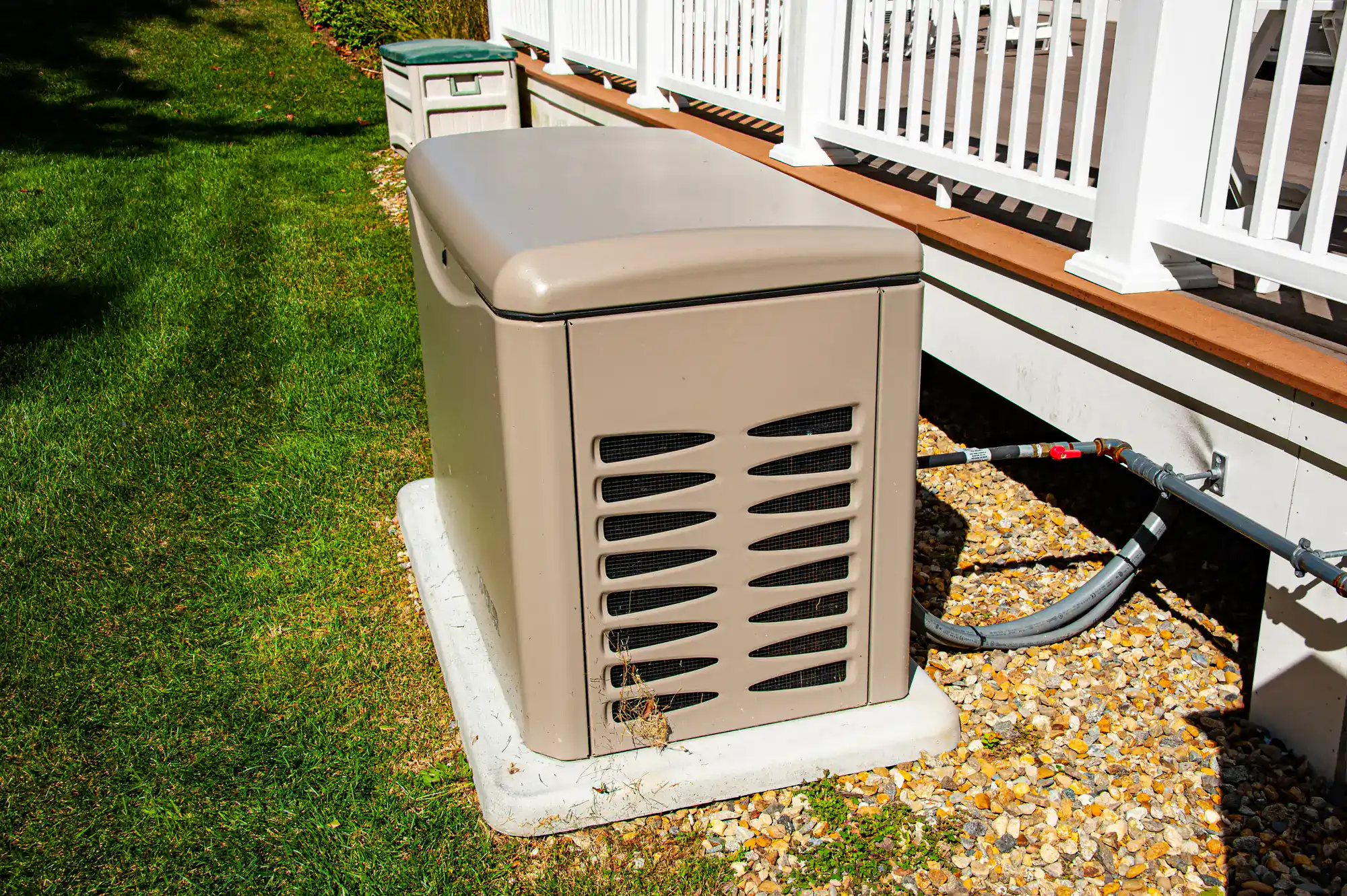
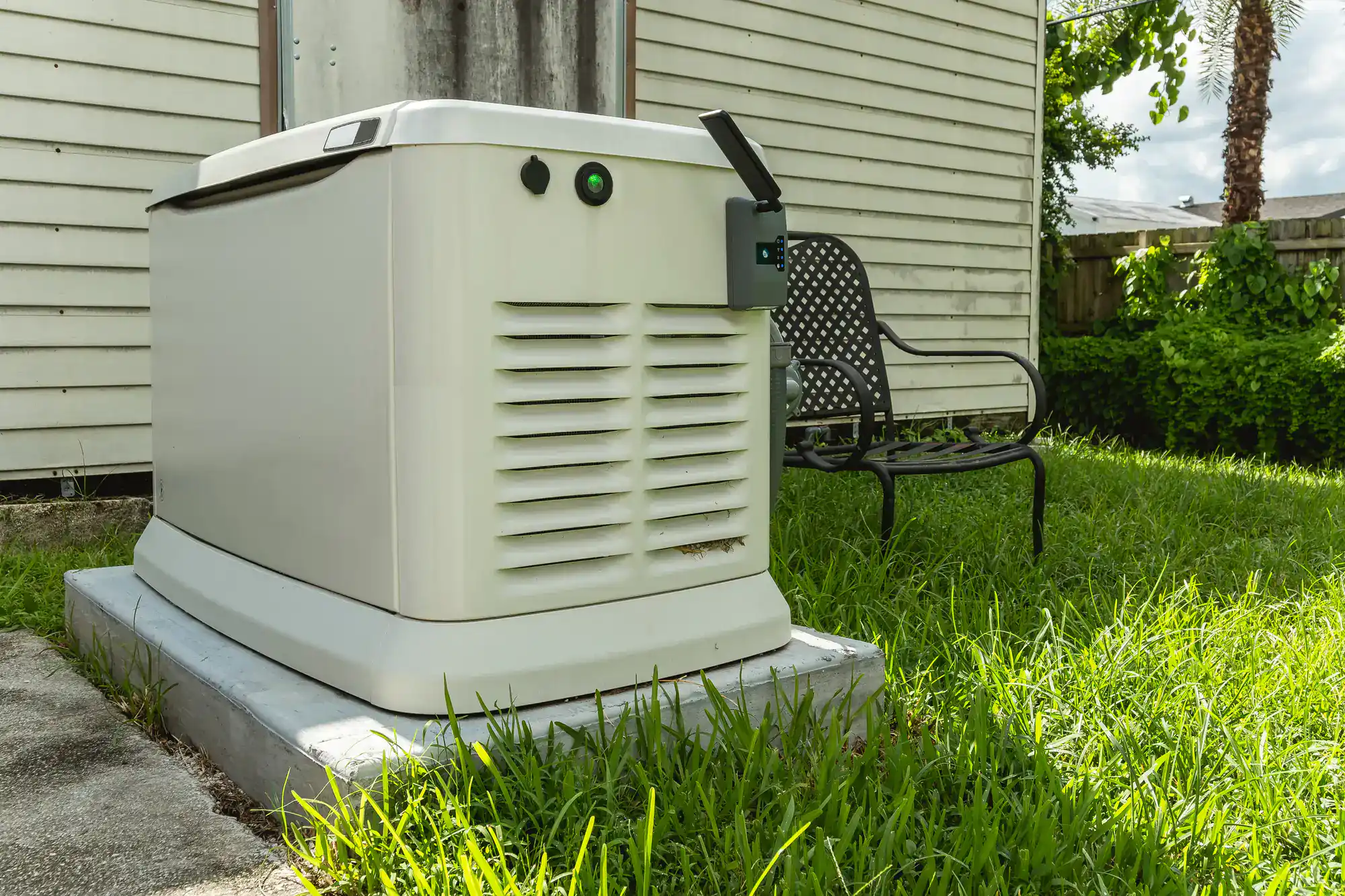
Next, we handle the permit with the town of Glocester. We install the generator on a concrete pad outside your home, connect it to your fuel source (natural gas or propane), and wire it to your electrical panel through an automatic transfer switch.
That transfer switch is what makes the system automatic. When utility power drops, the switch detects it and signals your generator to start. Within 10 seconds, your generator is running and your transfer switch routes power to your home. When grid power comes back, the system switches back and your generator shuts down.
We test everything before we leave. You’ll see it run. We’ll show you the monitoring system if you want remote access from your phone. Then we clean up and you’re set.
Ready to get started?
You get a properly sized generator from Generac—the brand that dominates the residential standby market for good reason. We install it according to manufacturer specs and local electrical code.
Your installation includes the automatic transfer switch, concrete pad, all electrical connections, fuel line hookup, and startup testing. We pull the permits and coordinate inspections with Glocester building officials.
Glocester sits at higher elevation than surrounding areas and gets hit harder by winter weather. Storms that cause minor outages elsewhere can knock out power here for days. We’ve seen it happen repeatedly. Your generator installation accounts for that reality—we’re not installing undersized equipment that can’t handle a real load during a real outage.
If you want remote monitoring through Generac’s Mobile Link system, we’ll set that up too. You can check your generator status from anywhere, get maintenance reminders, and receive alerts if something needs attention.
Most residential standby generator installations take one to two days once permits are approved. The permit process with Glocester typically adds another week or two depending on the building department’s schedule.
Day one usually covers the concrete pad installation and fuel line work. The pad needs time to cure before we set the generator. Day two involves setting the generator, running electrical connections, installing the transfer switch, and doing all the startup testing.
Commercial generator installation can take longer depending on the size of the system and complexity of your electrical setup. If your panel needs upgrades to handle the transfer switch, that adds time. We’ll give you a realistic timeline upfront based on your specific situation.
Most Glocester homes with well pumps, heating systems, and standard appliances need a generator between 16kW and 24kW. The exact size depends on your well pump’s starting load and what else you want to run simultaneously.
Well pumps draw significant power when they start up—often 2-3 times their running wattage. If you have a 1.5 HP well pump, it might need 3,000-4,000 watts to start. Add your heating system, refrigerator, some lights, and a few outlets, and you’re looking at a 20kW generator as a comfortable minimum.
We calculate your actual load during the site assessment. We’ll look at your panel, check the ratings on your well pump and heating equipment, and ask what else matters during an outage. Undersizing a generator is expensive—you end up replacing it. Oversizing wastes money upfront. We size it right the first time.
Yes. Glocester requires both an electrical permit and typically a building permit for standby generator installation. We handle the permit applications as part of your installation.
The town wants to see that your generator is installed according to electrical code, properly set back from property lines, and safely connected to your home’s electrical system. An inspector will come out to verify the installation meets code requirements.
This isn’t red tape for the sake of bureaucracy. Generators involve fuel sources, automatic electrical switching, and significant power loads. Proper permitting ensures your installation is safe and won’t cause problems down the road. We’re members of the Rhode Island Electrical Inspectors IAEI Roger Williams Chapter and fully compliant with NFPA standards—we know exactly what inspectors look for.
Residential standby generator installation typically runs between $8,000 and $15,000 depending on generator size, fuel source, and how far we need to run electrical and fuel lines. That includes the generator, transfer switch, installation labor, permits, and startup.
A basic 16kW air-cooled unit with a straightforward installation sits at the lower end. A 24kW liquid-cooled generator with longer electrical runs or panel upgrades pushes toward the higher end. If you need a propane tank installed or significant trenching for fuel lines, that’s additional.
We give you a firm price after the site assessment. No surprises. You’ll know exactly what you’re paying before we start work. Commercial generator installation varies more widely based on power requirements—those need individual quotes.
That depends on the generator size you choose. A whole house generator installation means sizing the unit to handle your entire electrical load—everything from your well pump and heating system to your air conditioning and every outlet.
For most Glocester homes, that requires a 22kW to 26kW generator. You can run everything simultaneously without thinking about load management. Smaller generators in the 16kW to 20kW range cover essentials—well pump, heat, refrigeration, lights, and some outlets—but you might need to avoid running multiple high-draw appliances at once.
We’ll show you both options with honest guidance about what makes sense for your situation. Whole house coverage costs more upfront but eliminates any decision-making during outages. Essentials-only coverage costs less and still protects what matters most. Your call.
Plan on annual maintenance for your standby generator. Generac recommends service every year or every 200 hours of operation, whichever comes first. In Glocester, you’ll hit the annual timeline before the hours.
Maintenance includes oil and filter changes, air filter replacement, spark plug inspection, battery check, and a full system test under load. We also inspect fuel lines, check for leaks, verify the transfer switch operation, and make sure your generator is ready to run when the next storm hits.
Skipping maintenance is expensive. Generators that don’t get serviced fail when you need them. A $300 annual service call is a lot cheaper than a $3,000 repair or full replacement. We offer maintenance plans that put you on the schedule automatically—you don’t have to remember to call.