
Generator Installation in Fall River, MA

Power When Fall River's Grid Goes Dark

Your lights stay on, your heat keeps running, and your family stays safe—automatically—when the next storm hits Fall River, MA.
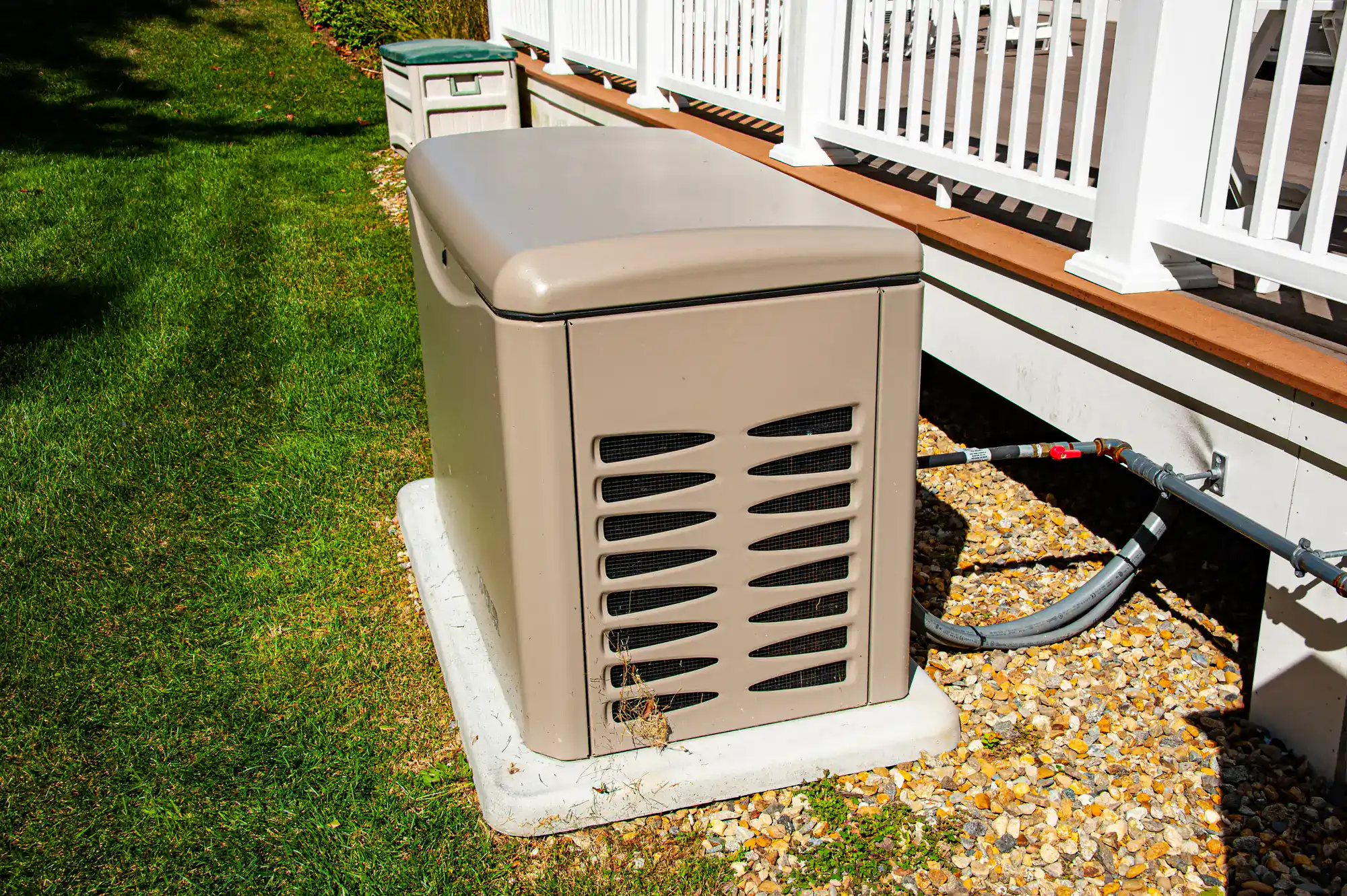
A beige standby generator sits on a concrete pad next to a house with white railing in RI, surrounded by grass and small rocks, with cables connected—installed by skilled electricians Providence County trusts.
A standby home generator, installed by expert electricians in Providence County, RI, sits on a concrete pad next to a house with white siding, a metal outdoor bench, and green grass nearby.

Home Generator Installation Fall River, MA

What Happens When Your Power Actually Stays On

You’re not scrambling to find hotel rooms when a nor’easter knocks out power for three days. You’re not throwing away $300 worth of food from your fridge and freezer. Your basement isn’t flooding because the sump pump died.

Your home generator installation in Fall River, MA means your transfer switch detects the outage and kicks your standby generator into action before you even notice the lights flickered. No extension cords. No manual switching. No wondering if your elderly parent’s oxygen concentrator will keep working.

The 2026 blizzard dumped 41 inches on Fall River and left thousands without power for days. Coastal storms, aging infrastructure, and wind gusts hitting 70+ mph aren’t rare here—they’re part of living in southeastern Massachusetts. A certified generator installer sets you up so the next storm is an inconvenience for your neighbors, not for you.

Generator Electrician Fall River, MA

Licensed Electricians Who Know Fall River's Grid

We handle generator installation in Fall River, MA with the permits, code compliance, and local knowledge that matters when you’re dealing with stone foundations, tight lot lines, and flood zone requirements. We’re not a national franchise reading from a script.

Our generator electrician team knows which neighborhoods lose power first during coastal storms. We know how salt air affects equipment placement and why your transfer switch location matters in older Fall River homes. We handle the electrical permit, the gas line coordination, and the inspection—so you don’t chase down three different contractors.

You get straight answers about what your home needs, what it’ll cost, and how long it takes. No upselling. No runaround.

A person in RI pours green engine oil from a bottle into a blue funnel connected to a yellow portable generator, often used by electricians in Providence County, placed on a concrete surface outdoors.

Standby Generator Installation Fall River, MA

Here's How Your Installation Actually Happens

First, we assess your property and electrical panel to size the right standby generator installation for Fall River, MA conditions. That means accounting for your home’s power needs, your lot layout, setback requirements, and whether you’re in a flood zone near the Taunton River.

Next, we pull the electrical permit and coordinate with your gas company for the fuel line connection. We prep the site with a concrete pad that meets code and handles New England freeze-thaw cycles. Then we install your transfer switch next to your main breaker panel and wire everything according to Massachusetts electrical standards.

Once your generator electrician completes the installation in Fall River, MA, we test the system under load and walk you through how it operates. The city inspector signs off, and you’re set. The whole process typically takes a few weeks from assessment to final inspection—most of that time is waiting on permits and utility coordination, not actual work.

When the next outage hits, your automatic transfer switch detects it within seconds and signals your generator to start. Power restores to your home in under a minute. When grid power returns, the system switches back and your generator shuts down. You don’t touch anything.

An electrician wearing a hard hat and gloves installs or repairs electrical wiring connected to a wall-mounted control box outdoors—a common task for electricians in Providence County, RI, as he handles cables secured in black tubing.

Explore More Services

About Lightning Electric

Commercial Generator Installation Fall River, MA

What's Included in Your Generator Installation

Your home generator install in Fall River, MA covers the full scope: site evaluation, equipment sizing, permit applications, concrete pad installation, fuel line coordination, transfer switch wiring, generator placement, startup testing, and final inspection. You’re not paying for the install and then finding out the permit costs extra or the pad isn’t included.

We handle residential and commercial generator installation in Fall River, MA, so whether you’re protecting your home or keeping your business operational during outages, the process is thorough. For commercial properties, that often means larger units, multiple transfer switches, and coordination with your business insurance requirements.

Fall River’s dense neighborhoods mean we’re often working with limited yard space, shared property lines, and older home electrical systems that need upgrades before a standby generator installation makes sense. We tell you upfront if your panel needs work or if your gas service requires an upgrade. Coastal properties near the waterfront need corrosion-resistant installations and sometimes elevated pads if you’re in a flood zone.

The goal is a system that works when you need it—and that means doing it right the first time, not cutting corners to hit a price point.

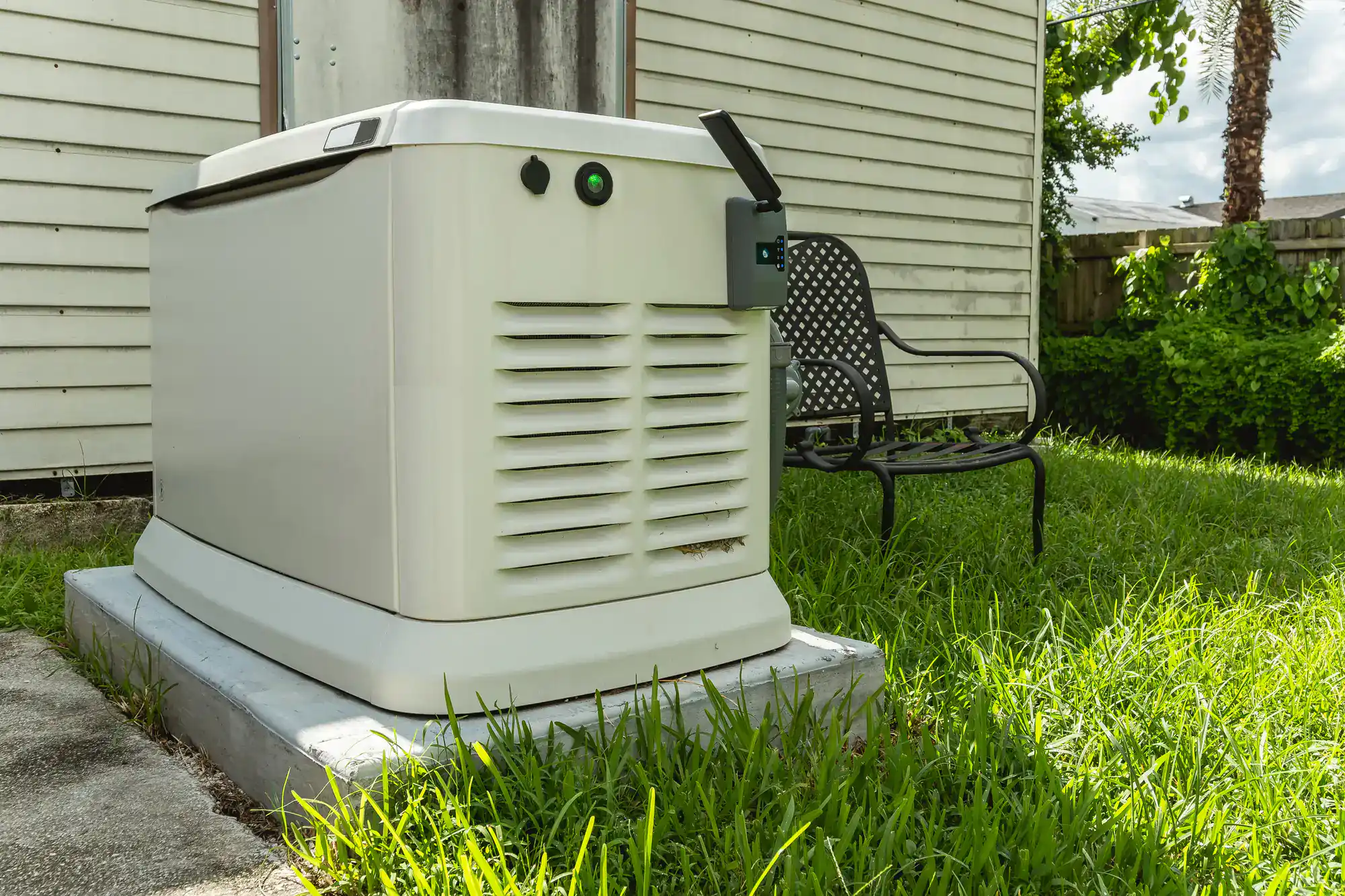
A white standby home generator sits on a concrete pad in a grassy backyard, surrounded by lush green trees and bushes—installed by expert electricians in Providence County, RI.

How much does generator installation cost in Fall River, MA?

Professional generator installation in Fall River, MA typically runs between $8,000 and $16,000 for a whole-home standby system, with most homeowners financing around $109 per month. That includes the generator unit, transfer switch, installation labor, concrete pad, permits, and startup.

Your actual cost depends on your home’s power requirements, the generator size you need, and site-specific factors like gas line distance, electrical panel upgrades, or flood zone requirements. A smaller unit powering essential circuits costs less than a system running your entire home during an outage.

The price also reflects doing it legally and safely. Massachusetts requires electrical permits for generator installations, and your certified generator installer needs to coordinate inspections with Fall River’s building department. Skipping permits or hiring unlicensed contractors might save money upfront, but it creates liability issues and problems when you sell your home.

The actual installation work for your home generator install in Fall River, MA takes one to two days once everything’s ready. But the full timeline from your first call to a working system usually runs three to six weeks because of permit processing, utility coordination, and equipment lead times.

Here’s the realistic breakdown: site assessment happens within a few days. Permit applications take one to two weeks for approval. Gas line work requires scheduling with your utility, which can add another week. Concrete pads need time to cure before we set the generator. Then we complete the electrical work, test the system, and schedule the final inspection.

If you’re calling right after a major storm, expect longer waits—everyone suddenly wants a generator electrician in Fall River, MA, and equipment availability tightens up. Planning ahead during calmer months usually means faster turnaround and sometimes better pricing.

Yes. Fall River requires an electrical permit for standby generator installation, and your licensed electrician pulls that permit as part of the job. The permit covers the transfer switch wiring, the connection to your electrical panel, and the safety inspection that happens after installation.

Massachusetts takes this seriously because improperly installed generators can backfeed power into utility lines, creating life-threatening conditions for line workers during outages. Your transfer switch prevents that, but it needs to be installed correctly and inspected by someone who knows what they’re looking at.

Some homeowners ask about skipping permits to save money or time. Don’t. Unpermitted work creates problems when you sell your home, voids equipment warranties, and can cause your homeowner’s insurance to deny claims if something goes wrong. A professional generator installation in Fall River, MA includes permits because that’s how you protect your investment and your family.

Most Fall River homes need a generator between 12kW and 24kW to cover essential systems during an outage, but your specific size depends on what you want running when the power’s out. A 12-14kW unit handles your refrigerator, freezer, furnace, a few lights, and some outlets. A 20-24kW system runs your whole house including central air, electric range, and multiple bathrooms.

Your generator electrician in Fall River, MA calculates the load by looking at your electrical panel, identifying your highest-draw appliances, and accounting for startup surges when motors kick on. If you have electric heat, a well pump, or central AC, those pull significant power and push you toward larger units.

Oversizing wastes money on equipment and fuel. Undersizing means choosing what stays on during an outage, which defeats the purpose for most people. A proper site assessment gives you the right answer for your home instead of guessing based on square footage or what your neighbor bought.

Usually, yes—but it takes more planning. Many Fall River properties have tight lot lines, small yards, or challenging layouts, especially in the older neighborhoods near downtown. Your standby generator installation in Fall River, MA needs to meet setback requirements from property lines, windows, and doors, plus allow clearance for ventilation and service access.

We’ve installed generators in some tight spots: narrow side yards, behind garages, on elevated pads in flood-prone areas, and on properties with steep grades. Sometimes that means custom concrete work, longer gas line runs, or creative transfer switch placement to make everything fit and meet code.

What doesn’t work: placing a generator where it blocks emergency egress, violates setback rules, or creates noise issues for neighbors. If your property genuinely can’t accommodate a standby unit, a portable generator with a manual transfer switch might be your alternative—it’s not automatic, but it’s better than nothing during a multi-day outage.

Your generator needs an annual service visit to stay reliable when you actually need it. That includes changing the oil and filter, replacing the air filter, checking the battery, testing the transfer switch operation, and running the unit under load to confirm everything works. Most manufacturers require annual maintenance to keep warranties valid.

Fall River’s coastal location adds maintenance considerations. Salt air accelerates corrosion on electrical connections and metal components, so your generator electrician checks those more carefully during service visits. We also clear any debris from around the unit and verify that ventilation openings haven’t been blocked by landscaping or snow buildup.

Between professional service visits, your generator runs a self-test cycle weekly—usually for 10-15 minutes—to keep the engine lubricated and the battery charged. You’ll hear it running, which is normal. If you notice any error codes, unusual noises, or the unit not completing its self-test, call for service before the next storm hits and you’re counting on it.

Other Services we provide in Fall River