
For over 30 years, we’ve powered Rhode Island with expert electrical services delivered with a personal touch. Discover our story and commitment to quality.
Contact Info
You know what happens during a winter storm or summer thunderstorm in Cumberland. The power flickers, then dies. Your refrigerator stops running, your sump pump quits, and if it’s January, your heat shuts off while pipes start getting dangerously cold.
A standby generator installation in Cumberland, RI changes that. The system detects the outage within seconds and switches your home to generator power automatically. You don’t flip a switch or go outside in the storm. Your lights stay on, your heating system keeps running, and your family stays comfortable.
When grid power comes back, the generator switches off on its own and goes back to standby mode. You get real protection without the hassle of portable units, extension cords, or wondering if you remembered to refuel.
We’ve been handling generator installations across Cumberland for years. We’re an authorized Generac dealer and members of the Rhode Island Electrical Inspectors IAEI Roger Williams Chapter, which means every installation meets code and gets done right.
Cumberland homeowners deal with the same weather patterns—Nor’easters that knock out power for days, ice storms that take down lines, and summer storms that hit without warning. We’ve installed backup power systems in neighborhoods throughout town, and we understand what your home needs based on your electrical panel, fuel source, and which systems you want protected.
You’re working with licensed electricians who handle the entire process, from permits to final inspection. No subcontractors, no runarounds.
First, we assess your home’s electrical load. That means figuring out which appliances and systems you want running during an outage—furnace, refrigerator, well pump, sump pump, lights, outlets. This determines the generator size you actually need, not just a guess based on square footage.
Next comes the site evaluation. We identify where the generator goes (it needs proper clearance from windows, doors, and property lines), confirm your fuel source—natural gas line or propane tank—and plan the electrical connection. If your natural gas line needs upgrading or you’re adding propane, we coordinate that work.
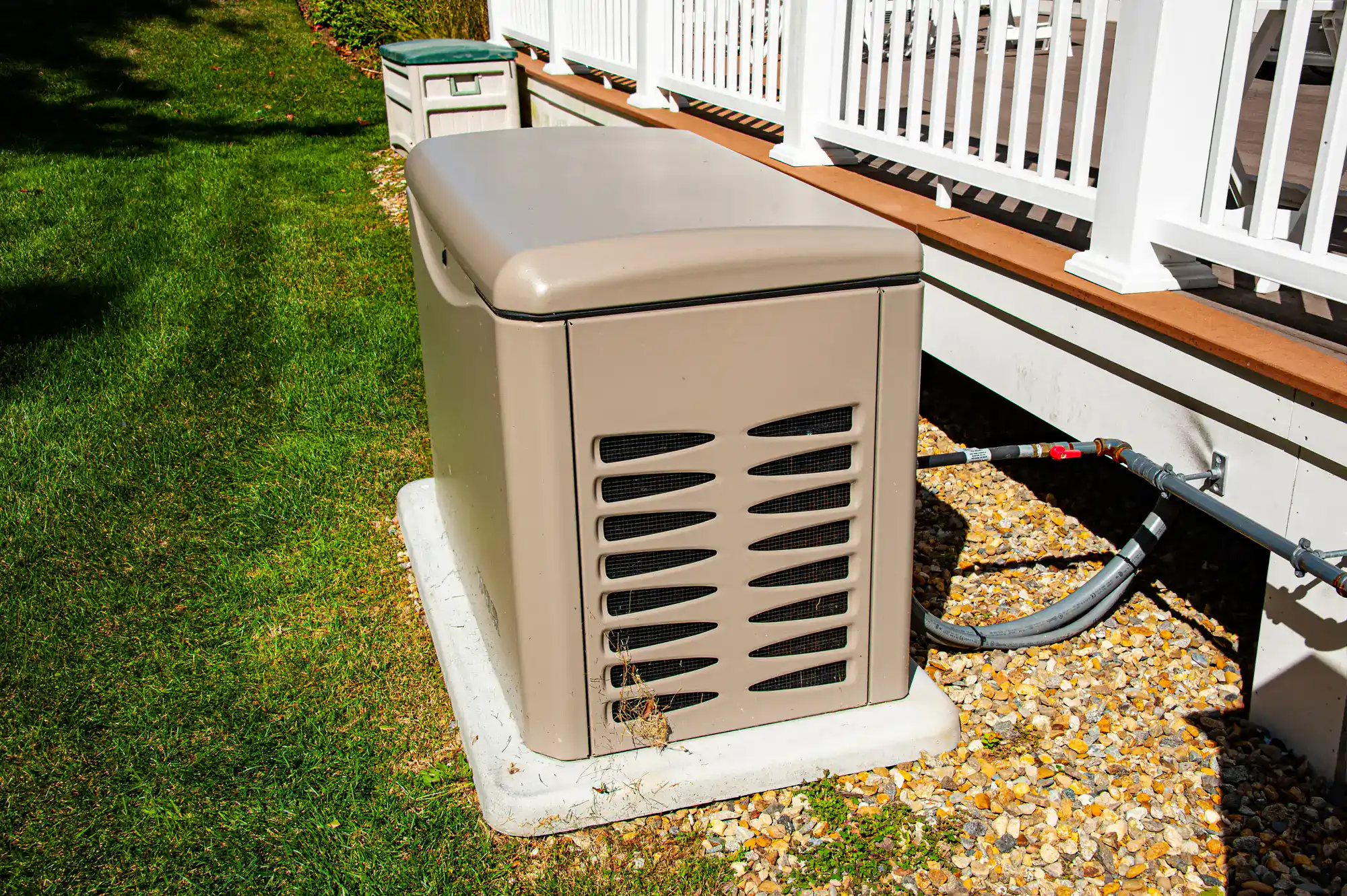
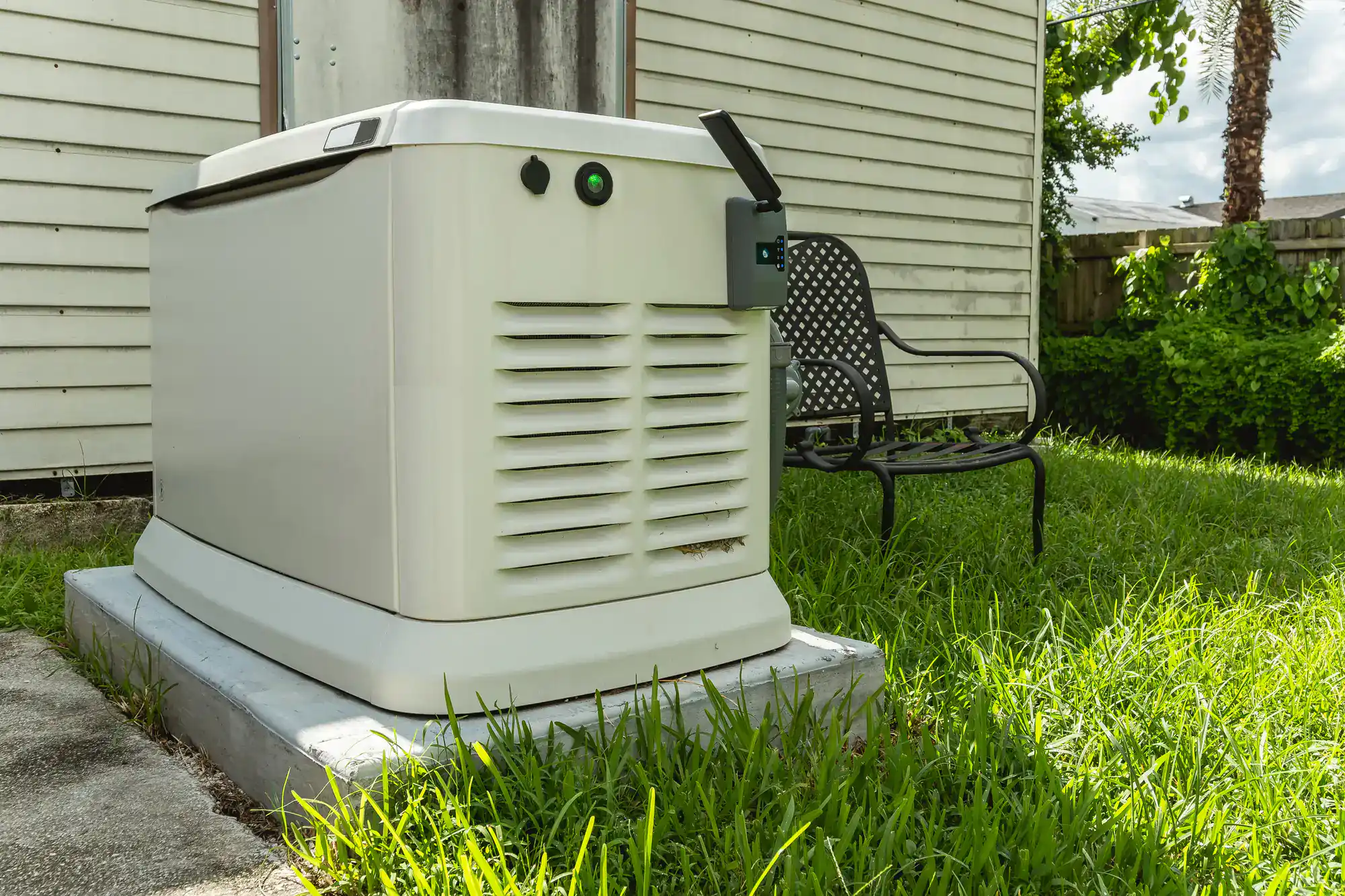
Installation day involves setting the concrete pad, mounting the generator, running the fuel line, and installing the automatic transfer switch inside your electrical panel. The transfer switch is what makes the system automatic—it monitors grid power and switches to generator power when it detects an outage.
After installation, we test the system, walk you through basic operation, and handle the final electrical inspection. You’ll also get a startup from the manufacturer and enrollment in any applicable warranty programs. The whole process typically takes one to two days depending on your setup.
Ready to get started?
Your home generator installation in Cumberland, RI includes the complete system—generator unit, automatic transfer switch, concrete mounting pad, fuel line connection, and all electrical work. We pull permits, coordinate inspections, and make sure everything’s code-compliant before we leave.
Cumberland homes vary widely. Some have natural gas service, others run on propane. Some need whole-house coverage, others just want critical circuits protected. We size the system based on your actual electrical load and install transfer switches that match your coverage goals—whether that’s your entire panel or select circuits.
Rhode Island gets hit hard by weather. You’re looking at an average of 5.5 hours of power interruptions annually, and that number’s been climbing. Cumberland sits right in the path of Nor’easters moving up the coast, and summer storms knock out power regularly. A properly installed standby generator means you’re not dealing with spoiled food, frozen pipes, or a flooded basement because your sump pump quit.
We also handle the fuel system optimization. Natural gas generators tie directly into your existing gas line (assuming adequate pressure and flow). Propane systems need proper tank sizing and line runs. Both need to be done correctly or your generator won’t perform when you need it.
Total installed cost for a standby generator typically runs between $5,000 and $20,000 in Cumberland, depending on the unit size and installation complexity. That includes the generator, automatic transfer switch, concrete pad, fuel connections, electrical work, permits, and inspection.
Smaller units (10-12 kW) that cover essential circuits—furnace, refrigerator, some lights and outlets—fall on the lower end. Larger systems (20-24 kW) that power your whole house cost more. If your installation requires a natural gas line upgrade, new propane tank, or significant electrical panel work, that adds to the total.
We price every job individually because your home’s setup determines the actual cost. We’re not going to quote you a number without seeing your electrical panel, understanding your coverage goals, and evaluating your property. You’ll get a detailed estimate that breaks down equipment, labor, and any additional work needed before we start.
Physical installation typically takes one to two days once we have permits and equipment on site. But the full timeline from your initial call to a running system usually spans two to four weeks, depending on permit processing, equipment availability, and scheduling.
Here’s the realistic breakdown: consultation and site evaluation happen within a few days of your call. We submit permit applications to Cumberland right after, and those usually process within a week. Equipment ordering depends on the model—common Generac units might be in stock, others take a week or two to arrive.
Installation day involves setting the pad, mounting the unit, running fuel and electrical lines, and installing the transfer switch. We test everything, schedule the final inspection, and coordinate manufacturer startup. If your job needs gas line work or a new propane tank, that adds time. We’ll give you a clear timeline upfront so you know what to expect.
Generator sizing depends on your electrical load, not your home’s square footage. You need enough capacity to run the appliances and systems you want powered during an outage, and that varies significantly between homes.
Start with your essentials: furnace or AC (depending on season), refrigerator, sump pump, well pump if you have one, and some lights and outlets. A typical furnace draws 600-1,500 watts, refrigerator uses 600-800 watts, and a sump pump needs 800-1,200 watts on startup. Add those up along with everything else you want running, and that gives you your minimum capacity.
Most Cumberland homes do well with a 12-18 kW unit for essential coverage, or 20-24 kW for whole-house backup. But we don’t guess. We assess your actual panel, calculate your load, and account for startup surges (motors and compressors draw more power when they kick on). You’ll get a system sized correctly for your needs without paying for excess capacity you won’t use.
Yes. Standby generators need annual maintenance to run reliably when you lose power. That includes oil and filter changes, air filter replacement, spark plug inspection, and battery checks. Think of it like maintaining your car—skip it, and you risk the system failing when you need it most.
Most generators self-test weekly, running for 10-15 minutes to keep components lubricated and the battery charged. But that weekly test doesn’t replace actual maintenance. Oil breaks down, filters get dirty, and connections can corrode over time. Annual service catches these issues before they become problems.
With proper maintenance, your generator should last 15-30 years. Without it, you’re looking at premature failures and expensive repairs. We offer maintenance plans that handle the annual service, or you can schedule it yourself each year. Either way, don’t skip it. The last thing you want is to lose power during a February ice storm and discover your generator won’t start because the oil hasn’t been changed in three years.
A professionally installed standby generator typically adds 2-3% to your home’s value and can return 50-150% of your installation cost when you sell, depending on your market. But the real value shows up when you’re competing with similar homes during a sale.
In Cumberland, where median home values run around $362,700, that 2-3% translates to roughly $7,000-$11,000 in added value. Buyers shopping in that price range expect certain features, and backup power is increasingly one of them—especially after they’ve lived through multi-day outages.
The value isn’t just financial. You’re protecting your home from damage that happens during extended outages—frozen pipes that burst and flood your basement, spoiled food, sump pump failures that cause foundation issues. A generator prevents those problems, which saves you money and headaches long before you ever sell. The resale value is a bonus. The real return is not dealing with outage-related disasters while you’re living there.
No. Generator installation in Rhode Island requires a licensed electrician, and for good reason. You’re working with high-voltage electrical connections, fuel systems (natural gas or propane), and automatic transfer switches that need to be wired correctly or they won’t work—or worse, they’ll create safety hazards.
The transfer switch installation alone involves working inside your main electrical panel, which is dangerous if you don’t know what you’re doing. Wire it wrong and you risk backfeeding power into the grid, which can injure utility workers or damage your generator. Fuel line work requires proper sizing, pressure testing, and code compliance. One mistake and you’ve got a gas leak or a system that won’t run under load.
Cumberland requires permits and inspections for generator installations. That means a licensed professional needs to do the work and sign off on it. Trying to DIY this doesn’t just risk your safety—it creates permit problems, potential insurance issues if something goes wrong, and complications when you sell your home. Pay for professional installation. It’s not optional, and it’s not worth the risk.