
For over 30 years, we’ve powered Rhode Island with expert electrical services delivered with a personal touch. Discover our story and commitment to quality.
Contact Info
You’re not buying a generator because you love backup power systems. You’re buying it because Cranston loses power during every major storm, and you’re tired of dealing with the aftermath.
When a Nor’easter rolls through and your neighbors are in the dark, your system detects the outage in seconds and switches on automatically. Your heat stays running. Your sump pump keeps your basement dry. Your fridge doesn’t turn into an expensive science experiment. If you work from home, you’re still working. If you’ve got kids or elderly family members, they’re comfortable and safe.
A standby generator installation in Cranston means you stop worrying about whether this storm will be the one that knocks you offline for three days. Rhode Island ranks 5th nationally for power outage frequency, and Providence County—where Cranston sits—regularly sees the highest outage numbers in the state. That’s not changing anytime soon. But your response to it can.
We handle generator electrician work across Cranston and the surrounding Rhode Island communities. Our team is licensed, insured, and part of the Rhode Island Electrical Inspectors IAEI Roger Williams Chapter—which means we follow the same code standards the inspectors use when they review our work.
We’ve installed standby systems in neighborhoods all over Cranston, from older residential streets near Garden City to commercial properties along Reservoir Avenue. Every installation gets sized correctly for your load, permitted properly, and tested before we leave. You get a certificate of insurance on request, and we handle the utility coordination so you don’t have to figure out who to call at National Grid.
This isn’t side work or a new service line we’re testing out. Generator installation is what we do, and we’ve been doing it long enough to know what actually goes wrong and how to avoid it.
First, we come out and look at your electrical panel, your available space, and your fuel source options. Natural gas is common in Cranston, but if you’re on propane, that works too. We calculate your load—what you actually need to keep running during an outage—and recommend a generator size that fits your situation without overselling capacity you’ll never use.
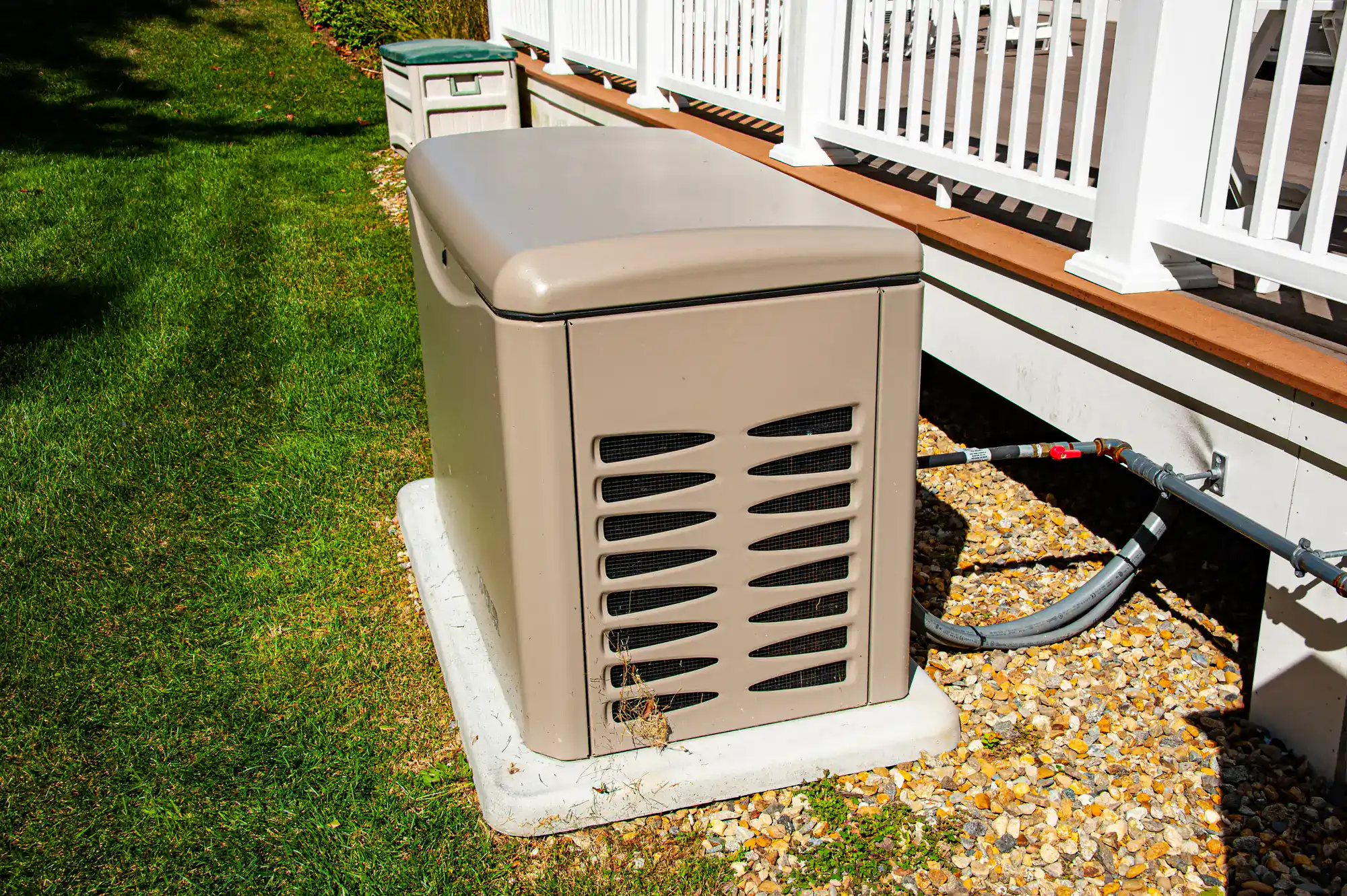
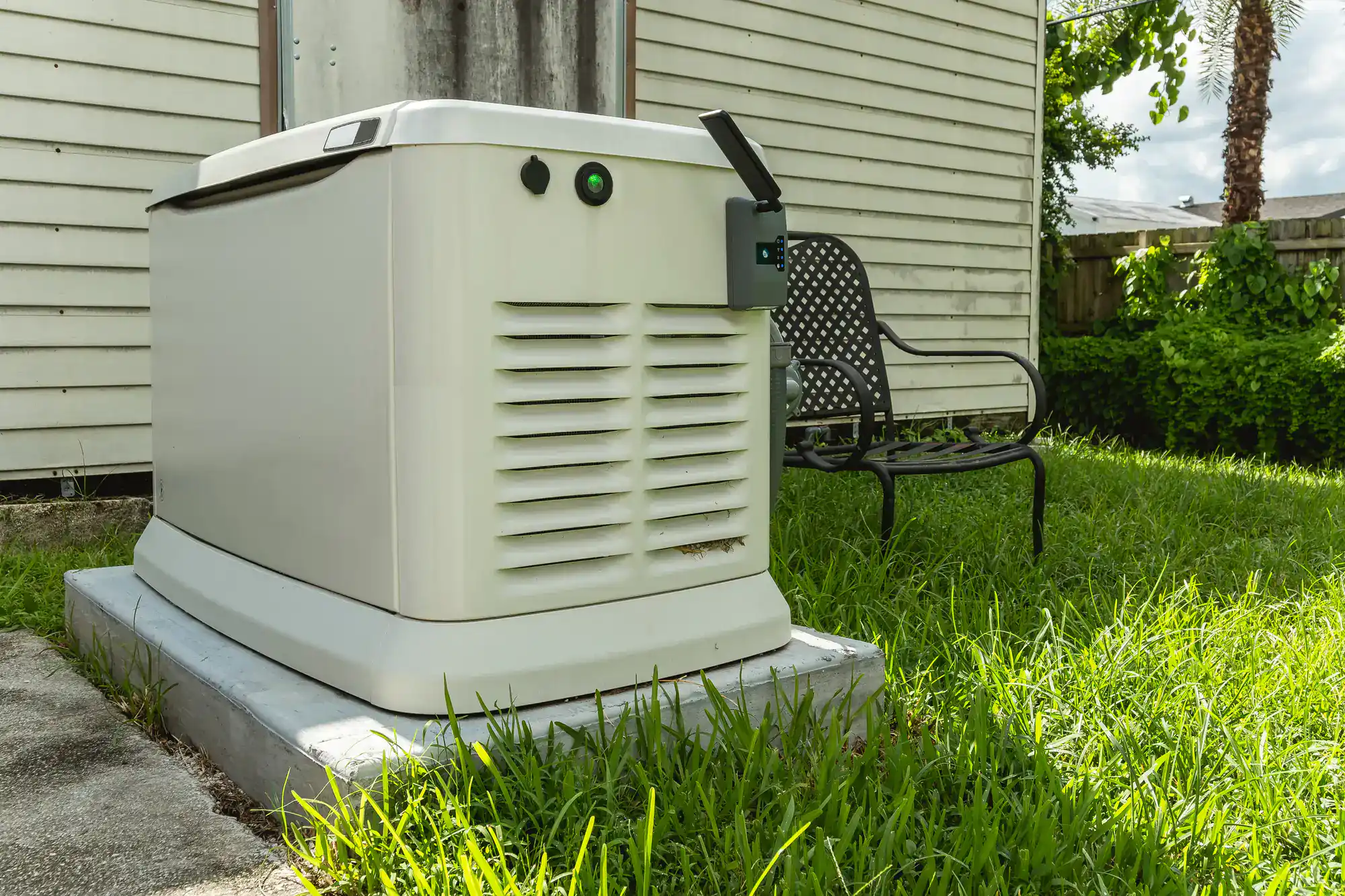
Once you approve the plan, we pull the permit and coordinate the installation date. On install day, we set the generator on a concrete pad (which we pour if needed), run the electrical connections to your panel through a transfer switch, and tie into your gas or propane line. The transfer switch is what makes the system automatic—it detects when utility power drops and tells the generator to start.
After everything’s wired and connected, we test the system while we’re still there. We simulate an outage, make sure the generator fires up and powers your selected circuits, then restore utility power and confirm the switchover works both ways. Then the town inspector comes out, reviews the work, and signs off. You get documentation for your records, and we walk you through the basics of what to expect during an actual outage.
Ready to get started?
A proper home generator installation in Cranston includes the equipment, the labor, and all the code-compliant infrastructure that makes it legal and safe. That means the generator unit itself, the automatic transfer switch, the concrete pad, the gas line connection, the electrical connections to your panel, and the permit process from start to finish.
We handle the utility notifications and coordinate with National Grid for any required inspections on their end. If your service panel needs an upgrade to support the transfer switch safely, we’ll tell you that up front—not after we’ve already started the job.
For commercial generator installation in Cranston, the process is similar but scaled to your building’s load requirements. Retail spaces, medical offices, and multi-family properties have different power needs than single-family homes, and the equipment gets sized accordingly. We work with your building’s existing electrical infrastructure and make sure the system integrates cleanly without disrupting your operations during installation.
Cranston properties—especially older homes near the historic districts—sometimes need additional planning around placement and fuel access. We’ve worked through those limitations enough times to know what’s possible and what’s going to create problems down the line.
Most residential standby generator installations in Cranston take one to two days once we’re on site. That includes setting the unit, running the electrical and fuel connections, installing the transfer switch, and testing the system.
The timeline can stretch if we’re pouring a new concrete pad and need to wait for it to cure, or if your electrical panel needs an upgrade before we can safely add the transfer switch. Commercial installations take longer depending on the size of the system and the complexity of your building’s electrical setup.
Permitting adds time on the front end—usually a week or two depending on the town’s workload. We submit the permit application after you approve the plan, and we don’t start the physical work until it’s approved. The final inspection happens after installation, and that’s typically scheduled within a few days of completion.
It depends on what you want to keep running during an outage. If you’re covering the essentials—fridge, furnace, a few lights, and maybe your sump pump—a 12-14 kW unit usually handles it for most Cranston homes. If you want whole-house coverage including central air, multiple appliances, and all your outlets, you’re looking at 20-24 kW or higher.
We calculate your load during the site visit by looking at your panel and asking what matters most to you during an outage. Some people care about keeping the basement dry and the heat on. Others want to run everything like nothing happened. Both are fine—we just need to size the equipment correctly so it actually delivers what you’re expecting.
Oversizing costs you more upfront and burns more fuel when it runs. Undersizing means you’re making sacrifices during an outage that you didn’t plan for. We aim for the middle—enough capacity to cover your priorities with a little headroom, but not so much that you’re paying for power you’ll never use.
Yes. Any permanent generator installation in Cranston requires an electrical permit, and the work needs to pass inspection before it’s considered complete. That’s not optional, and it’s not something you want to skip—unpermitted work can create problems when you sell the house or file an insurance claim after an outage.
We handle the permit application as part of the installation process. We submit the plans to the town, wait for approval, complete the installation, and then schedule the final inspection. The inspector checks that everything meets National Electrical Code standards and local requirements, and once it passes, you get documentation for your records.
Some Cranston properties also need utility approval from National Grid, especially if we’re connecting to a gas line or making changes near the meter. We coordinate that as well so you’re not stuck figuring out who to call or what forms to file.
It can, especially in a market where buyers are looking for move-in-ready homes with modern infrastructure. Standby generators typically add 3-5% to resale value, and homes with them often sell faster than comparable properties without backup power.
The ROI usually lands between 50-75% of your installation cost, which is better than a lot of home improvements. But the bigger value isn’t always financial—it’s the fact that you’re not dealing with outages anymore. If you’re planning to stay in your Cranston home for a while, the return comes from not losing food, not worrying about your sump pump, and not scrambling for hotel rooms when the power’s out for days.
Buyers with families, remote workers, and anyone who’s lived through a multi-day outage in Rhode Island see a generator as essential infrastructure, not a luxury add-on. That’s especially true in Cranston, where storm-related outages are common enough that people plan for them.
A portable generator is something you drag out of the garage, fill with gas, and plug into a transfer switch or extension cords when the power goes out. A standby generator is permanently installed outside your home, connected to your fuel source, and turns on automatically within seconds of detecting an outage.
Portables are cheaper upfront, but they require you to be home when the outage happens, they need manual setup in the dark or the rain, and they run out of fuel unless you’re refilling them every few hours. If you’re away from your Cranston home when a storm hits, a portable doesn’t help you. If your sump pump needs to run for two days straight, you’re not keeping up with fuel.
Standby systems cost more to install, but they’re automatic, they run on your home’s natural gas or propane supply, and they keep going as long as the outage lasts. You don’t touch anything. The system handles it. For people who travel, work long hours, or just don’t want to deal with manual setup during a storm, a standby installation makes more sense.
Most manufacturers recommend annual maintenance, which includes changing the oil and filters, checking the battery, testing the transfer switch, and running the unit under load to make sure it’s ready when you need it. Cranston’s climate—cold winters, humid summers, occasional coastal storms—means your generator sits outside in varying conditions, so regular checkups keep small issues from turning into failures during an outage.
A lot of standby generators also run a self-test every week or two, where they start up for a few minutes to keep the engine components lubricated and the battery charged. That’s automatic, and you’ll hear it running briefly. It’s normal.
If you skip maintenance, you’re rolling the dice on whether the system will actually start when the power goes out. Generators that sit for years without service tend to fail right when you need them most—usually during a major storm when repair techs are already slammed with calls. We offer maintenance services for systems we install, and we can also service units that were installed by someone else if you need a local electrician who knows generator work.