
For over 30 years, we’ve powered Rhode Island with expert electrical services delivered with a personal touch. Discover our story and commitment to quality.
Contact Info
The storm rolls through Burrillville. Trees come down. Power lines snap. Your neighbors are scrambling for flashlights and wondering how long the food in their fridge will last.
Your lights stay on. Your heat keeps running. Your sump pump doesn’t quit. Life continues exactly as it was five minutes before the outage started.
That’s what a properly installed standby generator does. It doesn’t just turn on—it takes over your home’s electrical system automatically, in seconds, without you lifting a finger. You’re not outside in the cold trying to start anything. You’re not running extension cords or rationing power. You’re just living normally while the storm does its thing.
Burrillville sees this scenario multiple times a year. Blizzards dump two feet of snow. Ice storms take out entire neighborhoods. Tropical systems knock power out for days. The question isn’t if you’ll lose power—it’s whether you’ll be ready when it happens.
We’ve been handling electrical work across Rhode Island for over three decades. We’re licensed Master Electricians, Electrical Inspector Certified, and authorized Generac dealers. That means we know the equipment, we know the code, and we know what actually works in northern Rhode Island weather.
We’ve completed more than 1,500 commercial projects and countless residential installations. We’re not learning on your property. Every generator we install gets the same treatment—proper sizing, code-compliant wiring, fuel line connections that won’t fail when you need them most.
Burrillville homeowners call us because we show up, do the work right, and don’t disappear when something needs attention later. You’re not getting a subcontractor or a crew that’s never seen a Rhode Island winter. You’re getting electricians who’ve been through every storm this area throws at us.
First, we figure out what size generator you actually need. That means looking at your electrical panel, understanding which circuits matter most to you, and sizing the unit so it handles your load without burning through fuel. Some people want whole-house coverage. Others just want the essentials—heat, fridge, well pump, a few outlets. Both approaches work. We help you decide based on your home and your budget.
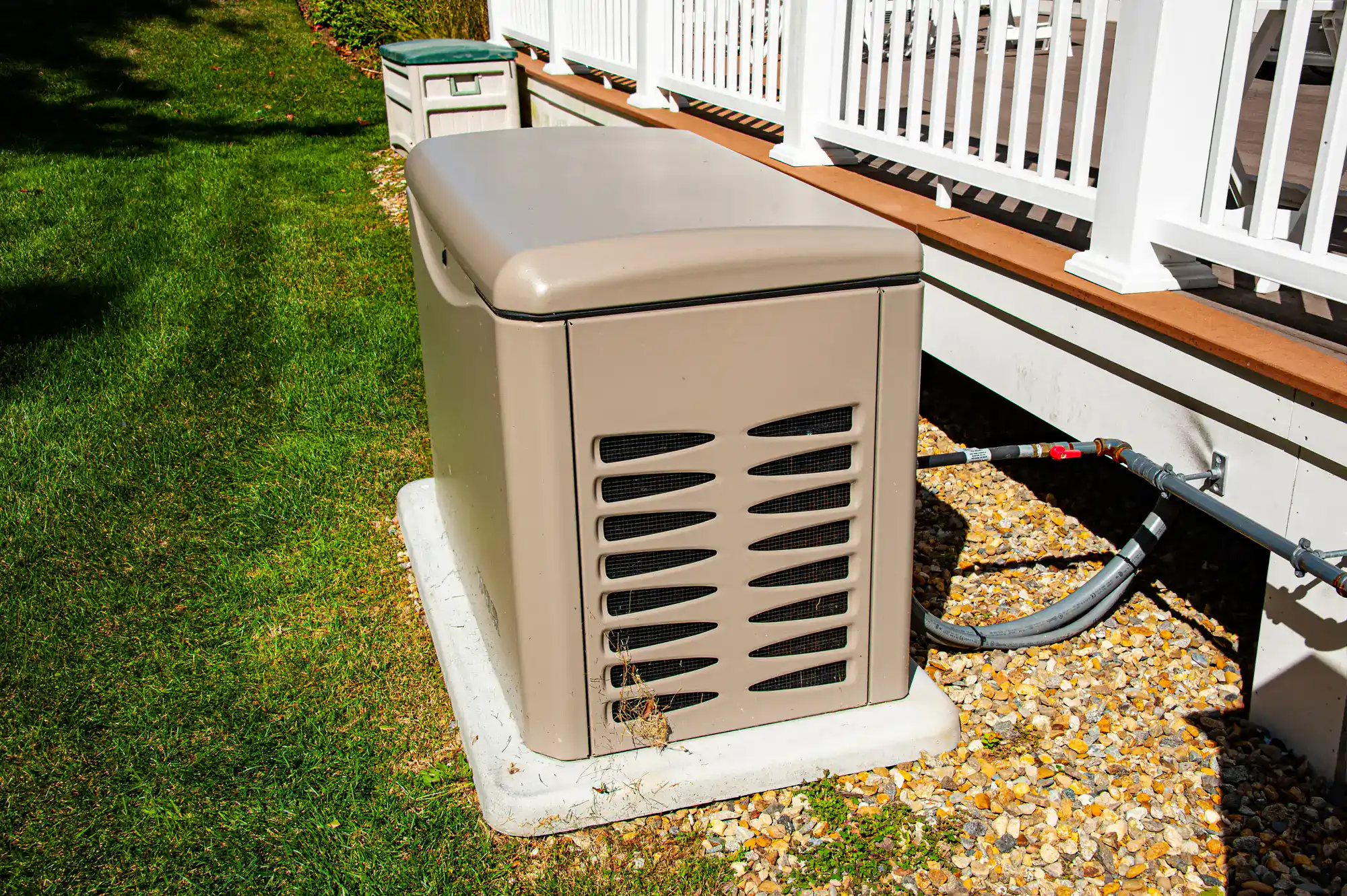
Next comes the site work. Your generator sits outside on a concrete pad, similar to a central AC unit. We handle the pad installation, run the fuel line (natural gas or propane, depending on what you’ve got), and connect everything to your electrical system through a transfer switch. That switch is what makes the magic happen—it detects the outage and tells the generator to fire up.
The whole process typically takes one to two days, depending on your setup. We pull permits, handle inspections, and make sure everything meets state and local electrical code. You don’t have to chase down paperwork or worry about whether it’s legal. We’ve done this enough times to know exactly what Burrillville requires.
Once it’s in, we test it. You’ll see it run through a cycle, watch the transfer happen, and understand how it operates. Then it just sits there, running a self-test every week, waiting for the next time the grid goes down.
Ready to get started?
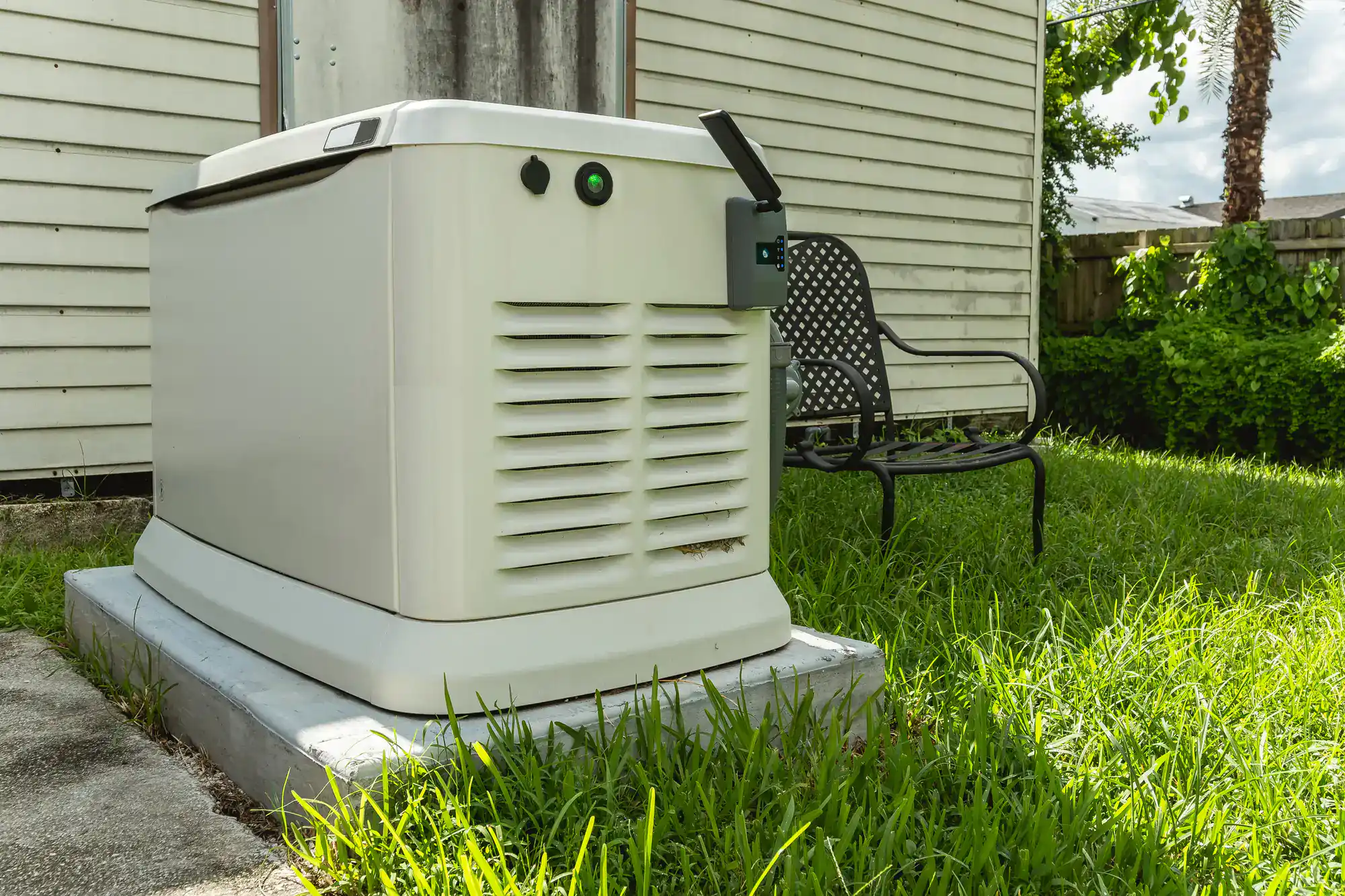
You’re getting a Generac generator—the brand that dominates the residential backup power market because they’ve been doing this longer than anyone else. These units run on either natural gas or propane, so you’re not storing gasoline or dealing with fuel that goes bad. They’re built to handle Rhode Island weather, which means snow, ice, humidity, and everything else we see throughout the year.
The installation includes the transfer switch, which is the brain of the system. It monitors your utility power constantly. The second it detects an outage, it signals the generator to start. Within seconds, your home’s electrical system switches over. When utility power comes back, the transfer switch waits to make sure it’s stable, then switches you back and shuts the generator down. You don’t touch anything.
We’re also setting you up with a system that protects your equipment. Generators need maintenance—oil changes, filter replacements, occasional inspections. We handle that too. Regular service keeps your warranty valid and makes sure the unit actually starts when you need it. Too many people skip this part and then wonder why their generator won’t fire up during a blizzard.
Burrillville’s power grid has been hit hard in recent years. We’ve seen storms knock out power to hundreds of customers at a time, with restoration taking anywhere from 24 hours to several days. Your generator doesn’t care how long the utility company takes. It just keeps running.
Most residential generator installations take one to two days from start to finish. Day one usually involves setting the concrete pad, running the fuel line, and doing the electrical connections. Day two covers final hookup, testing, and inspection.
The timeline can stretch if we’re dealing with complicated fuel line runs or if your electrical panel needs upgrades to handle the transfer switch. We’ll know that upfront during the site assessment. Permitting in Burrillville typically adds a few days to the overall schedule, but that’s just waiting for approval—it doesn’t mean we’re on your property longer.
Weather can also push things back. We’re not pouring concrete pads in the middle of a snowstorm, and some electrical work shouldn’t happen in heavy rain. We’d rather delay a day than compromise the installation.
It depends entirely on what you want to run during an outage. A typical whole-house setup for a 2,000-2,500 square foot home usually needs a 20-22kW generator. If you’ve got a larger home, central air, or electric heating, you might need to go bigger.
If you’re only covering essentials—furnace, fridge, some lights, maybe a sump pump—you can often get away with a 12-14kW unit. That’s a popular choice for people who want backup power without the cost of running everything.
We size generators based on your actual electrical load, not guesswork. That means looking at your panel, adding up the circuits you want covered, and factoring in startup surges for things like well pumps and AC compressors. Undersizing means the generator bogs down or shuts off when everything tries to run at once. Oversizing means you’re spending more than you need to and burning extra fuel every time it runs.
Yes. Any permanent generator installation in Burrillville requires an electrical permit, and depending on your setup, you might also need a building permit for the concrete pad and a gas permit for the fuel line connection.
We handle all of that. Permit applications, inspections, code compliance—it’s part of the installation process. You don’t need to visit town hall or figure out what forms to fill out.
Rhode Island has specific requirements for generator installations, including setback distances from property lines, fuel line materials, and transfer switch types. Inspectors check this stuff, and if it’s not right, you’re redoing it. We’ve been doing this long enough to know exactly what passes inspection the first time.
Yes, if it’s installed correctly. Generac generators are designed to operate in cold weather, snow, and ice. They’re enclosed units with built-in heating elements that keep the engine block warm enough to start even in subzero temperatures.
The bigger issue during winter storms is usually fuel supply. If you’re running on propane, make sure your tank is full before storm season. Natural gas users don’t have to worry about that—the gas line keeps flowing as long as the utility maintains service, which they do even during outages.
Snow accumulation can block airflow if it piles up around the unit, so you might need to clear it off during heavy storms. That’s a five-minute job. Otherwise, the generator just runs. We’ve seen these units fire up in the middle of blizzards and keep going for days without issue.
Fully installed systems typically run between $13,500 and $16,500 for most residential setups. That includes the generator, transfer switch, concrete pad, fuel line connection, electrical hookup, permits, and labor.
Smaller units covering just essential circuits can come in lower. Larger whole-house systems with higher kilowatt ratings cost more. If your electrical panel needs upgrades or your fuel line requires a long run from the gas meter or propane tank, that adds to the price.
We give you an exact number after looking at your property. Every installation is a little different based on where the generator sits, how far we’re running lines, and what your electrical system looks like. You’ll know the full cost before we start any work. No surprises, no change orders unless you decide to add something.
Standby generators need annual maintenance at minimum. That includes an oil and filter change, air filter replacement, spark plug inspection, and a full system test to make sure everything fires up correctly.
Generac units run a self-test every week—usually for about 10-15 minutes. That keeps the engine lubricated and the battery charged. You’ll hear it running, but it’s not supplying power to your house during these tests. It’s just exercising itself.
Skipping maintenance is how generators fail during actual outages. The most common problem we see is a unit that won’t start because the oil’s old, the battery’s dead, or a filter’s clogged. All of that gets caught during routine service. Your warranty also requires regular maintenance, so if you skip it and something breaks, you’re paying out of pocket for repairs.