
Generator Installation in Bristol, RI

Power Stays On When the Grid Goes Down

We’re licensed electricians handling your complete home generator installation in Bristol, RI—from permits and electrical work to fuel lines and final startup.
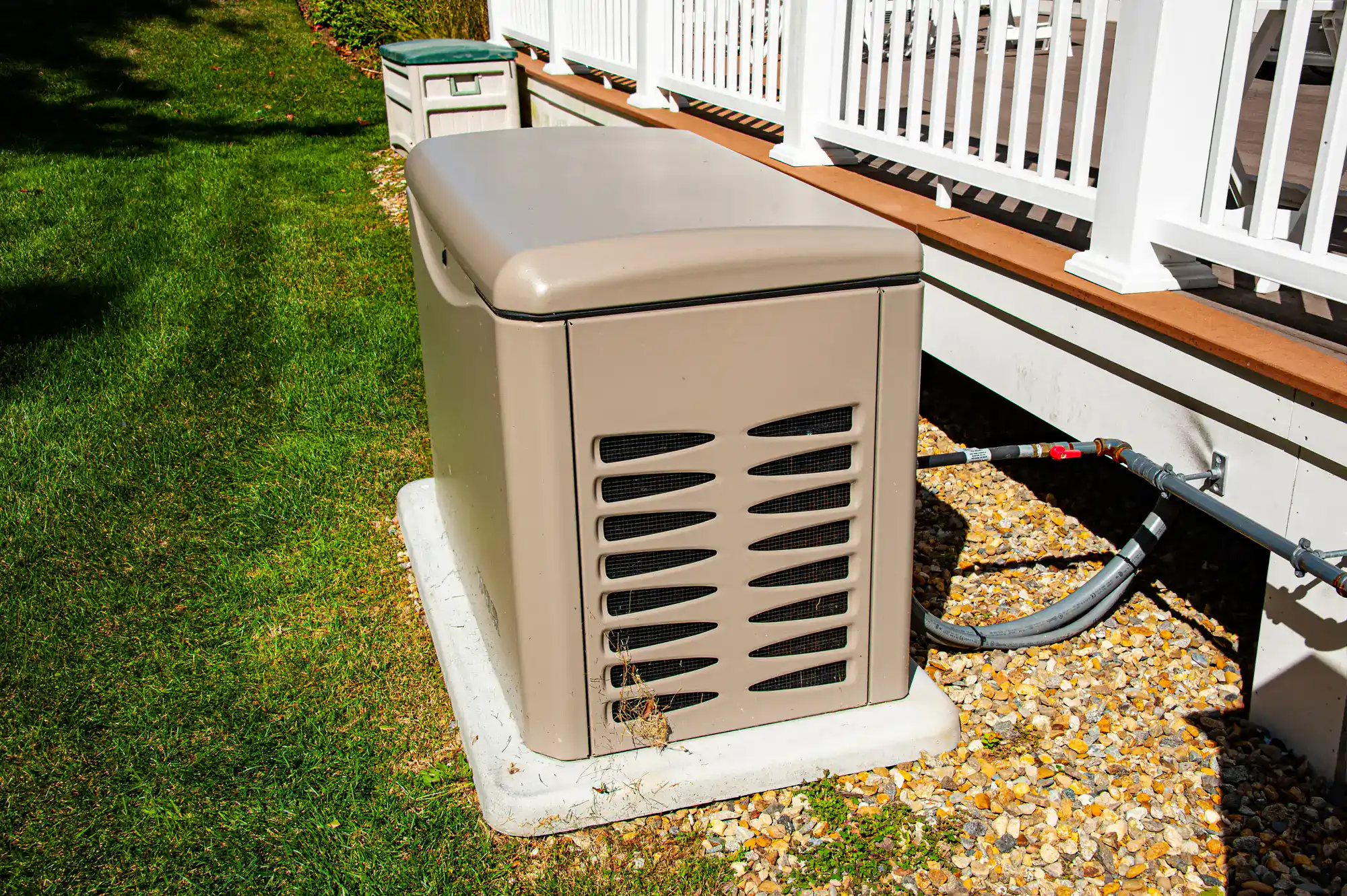
A beige standby generator sits on a concrete pad next to a house with white railing in RI, surrounded by grass and small rocks, with cables connected—installed by skilled electricians Providence County trusts.
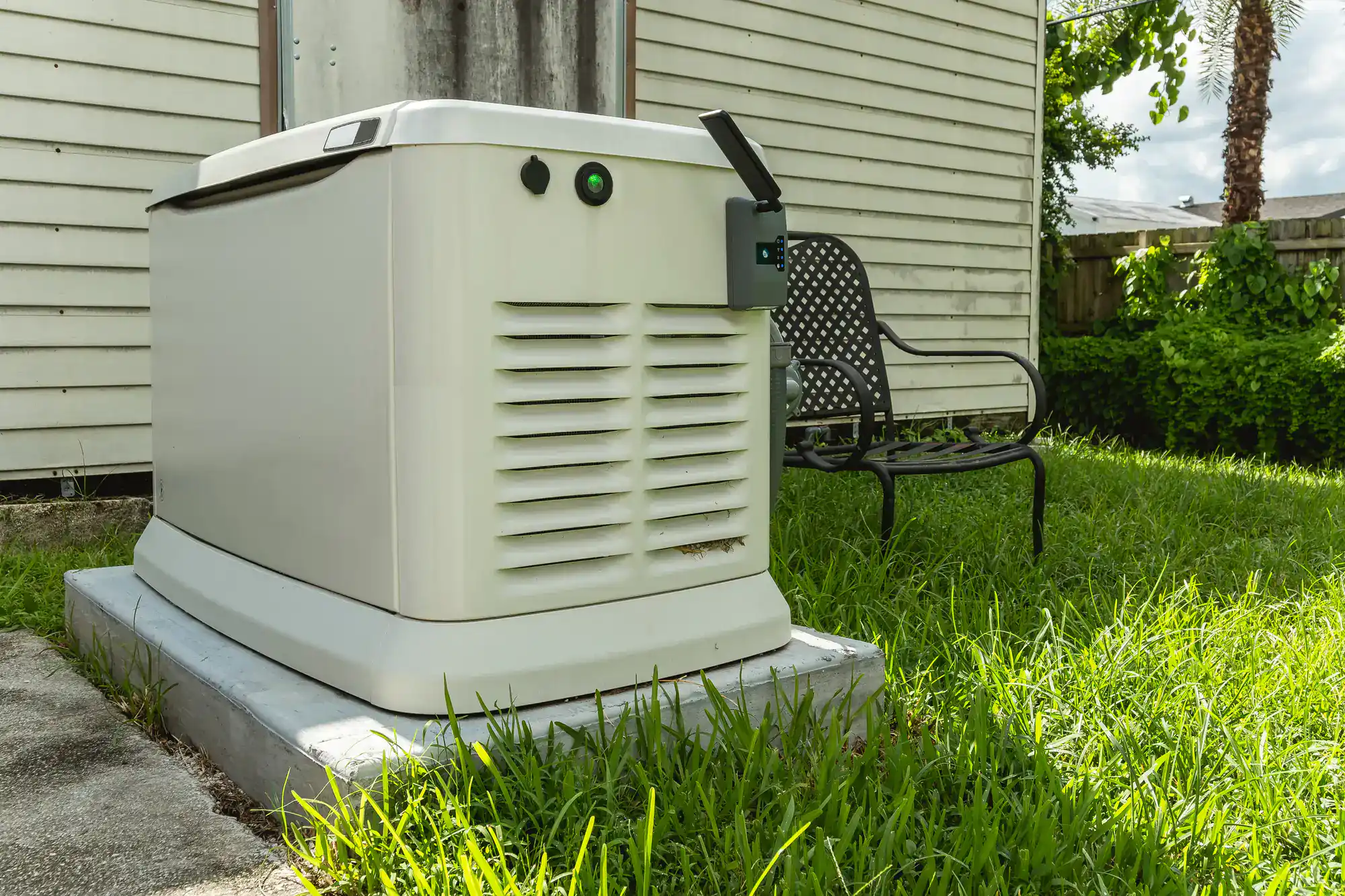
A standby home generator, installed by expert electricians in Providence County, RI, sits on a concrete pad next to a house with white siding, a metal outdoor bench, and green grass nearby.

Standby Generator Installation Bristol, RI

Automatic Backup Power Without Lifting a Finger

You’re not home when the storm hits. Maybe you’re at work, maybe you’re traveling. The power goes out across Bristol, and your generator kicks on automatically—no switches to flip, no fuel to pour, no scrambling in the dark.

Your refrigerator keeps running. Your sump pump stays active. If you’ve got medical equipment that needs electricity, it never loses power. That’s what a professionally installed standby generator does.

Rhode Island ranks 5th nationwide for percentage of customers affected by power outages. Bristol sees its share of hurricanes, nor’easters, and winter storms that knock out power for hours or days. A standby generator installation in Bristol, RI means you’re covered before the next outage happens, not scrambling after it starts.

Certified Generator Installer Bristol, RI

Licensed Electricians Who Know Bristol's Requirements

We handle generator installations across Rhode Island with licensed electricians who understand local codes, permit requirements, and what it takes to get your system installed correctly the first time.

We’re members of the Rhode Island Electrical Inspectors IAEI Roger Williams Chapter and follow NFPA certification standards. That means your installation meets code, passes inspection, and operates safely. You get a Certificate of Insurance on request, and every job is handled by electricians who’ve been doing this work for decades.

Bristol homeowners and businesses need backup power they can count on. We install systems that work when you need them because the electrical work, fuel connections, and startup procedures are done right from the beginning.

A person in RI pours green engine oil from a bottle into a blue funnel connected to a yellow portable generator, often used by electricians in Providence County, placed on a concrete surface outdoors.

Home Generator Install Process Bristol, RI

Here's What Happens From Start to Finish

First, we assess your property and electrical panel to determine what size generator you need and where it should go. You’ll know whether you’re powering your whole home or just essential circuits, and what fuel source makes sense—natural gas or propane.

Next comes permits and approvals. We handle the paperwork with local authorities in Bristol so your installation is documented and compliant. You don’t chase down permit offices or worry about inspections.

Then we install. That includes setting the generator pad, running electrical connections to your panel, installing the automatic transfer switch, and connecting fuel lines. If you need a propane tank, we coordinate that too. Once everything’s connected, we start up the system, test it under load, and walk you through how it operates.

You’re left with a generator that monitors your power 24/7 and starts itself within seconds of an outage. No manual intervention required.

An electrician wearing a hard hat and gloves installs or repairs electrical wiring connected to a wall-mounted control box outdoors—a common task for electricians in Providence County, RI, as he handles cables secured in black tubing.

Explore More Services

About Lightning Electric

Generator Electrician Services Bristol, RI

What's Included in Your Generator Installation

Your home generator installation in Bristol, RI covers everything needed to get your system operational. We’re talking electrical panel connections, automatic transfer switch installation, generator pad or mounting platform, fuel line installation for natural gas or LP, and all required permits pulled and submitted.

Bristol’s coastal location means salt air and weather exposure. We position your generator to handle the elements and ensure proper clearances from your home, windows, and property lines per manufacturer specs and local code.

If your electrical panel needs an upgrade to handle the generator load, we handle that too. Older homes in Bristol sometimes need panel work before a generator can be safely integrated. We’ll let you know upfront if that’s the case so there are no surprises mid-project.

You also get a full system test and walkthrough. We don’t just install and leave—you’ll see your generator run, understand how the transfer switch works, and know what to expect during an actual outage.

A white standby home generator sits on a concrete pad in a grassy backyard, surrounded by lush green trees and bushes—installed by expert electricians in Providence County, RI.

How much does a whole home generator installation cost in Bristol, RI?

Most whole home generator installations in Bristol, RI run between $8,000 and $15,000 depending on generator size, fuel type, and how much of your home you’re powering. A smaller unit covering essential circuits costs less than a larger system powering your entire house.

The generator itself is the biggest cost, followed by the automatic transfer switch, electrical work, and installation labor. If you need a propane tank installed or significant electrical panel upgrades, that adds to the total.

We price each job individually because every property is different. Your electrical panel capacity, distance from the gas meter or propane tank location, and whether you need concrete pads or additional site prep all factor in. You’ll get a clear quote upfront that covers permits, installation, startup, and testing so you know exactly what you’re paying for.

Most standby generator installations in Bristol, RI take one to three days once permits are approved and equipment arrives. The timeline depends on whether you need electrical panel upgrades, propane tank installation, or extensive site preparation.

Permit approval in Bristol typically takes one to two weeks. We submit all required documentation to local authorities and coordinate inspections. Once permits clear, we schedule your installation.

The actual installation day includes setting the generator, running electrical connections, installing the transfer switch, connecting fuel lines, and testing the system. If your home needs panel work or we’re installing a new propane tank, that adds time. We’ll give you a realistic timeline during your initial consultation so you can plan accordingly.

Yes, you need permits for generator installation in Bristol, RI. Both electrical and building permits are typically required because you’re adding a permanently installed appliance that connects to your home’s electrical system and fuel supply.

The permit process ensures your installation meets National Electrical Code requirements, local building codes, and manufacturer specifications for clearances and ventilation. Inspectors verify that transfer switches are wired correctly, fuel lines are properly installed, and the generator is positioned safely.

We handle all permit applications and coordinate required inspections as part of your installation. You don’t need to visit town offices or deal with paperwork. Skipping permits might seem like a shortcut, but it creates problems when you sell your home or file an insurance claim after an outage. Permitted installations protect your investment and keep your insurance coverage intact.

Most Bristol homes need a generator between 12kW and 24kW depending on square footage and what you’re powering. A 12-14kW unit typically covers essential circuits like refrigerator, furnace, well pump, and some lights. A 20-24kW generator can power most or all of a typical home including central air conditioning.

Your electrical panel’s total amperage and which circuits you want backed up determine the right size. We calculate your actual load requirements during the site assessment by reviewing your panel, discussing which appliances and systems you need during an outage, and factoring in startup surge requirements for motors and compressors.

Oversizing wastes money on equipment and fuel. Undersizing means your generator can’t handle the load when everything runs at once. We’ll recommend the right capacity based on your specific electrical setup and priorities, not just square footage or generic estimates.

If you have natural gas service to your home in Bristol, that’s usually the most convenient fuel choice. Natural gas generators connect directly to your existing gas line, so you never worry about refueling or running out during extended outages.

Propane works well if you don’t have natural gas service or want fuel independence from the utility grid. You’ll need a propane tank—either above ground or buried—sized for several days of runtime. A 500-gallon propane tank typically provides multiple days of continuous operation for a whole-home generator.

Natural gas costs less per BTU and requires zero refueling, but propane gives you fuel security if gas service gets interrupted. Some Bristol homeowners choose propane specifically because they want backup power that doesn’t depend on any utility staying operational. We’ll help you evaluate both options based on your property, existing utilities, and how you plan to use your generator.

Your standby generator needs professional maintenance once a year to stay reliable. Annual service includes oil and filter changes, spark plug inspection or replacement, battery check, air filter replacement, and a full system test under load.

Generators in Bristol face salt air exposure and humidity, which can accelerate wear on electrical components and cause corrosion. Regular maintenance catches small issues before they become failures during an actual outage when you need your generator most.

Most manufacturers require annual maintenance to keep warranties valid. Skipping service voids coverage and increases the chance your generator won’t start when the power goes out. We offer maintenance plans that schedule your annual service automatically and keep your system in top condition year-round. A generator that sits untested for years might not run when you actually need it—regular maintenance ensures it’s ready every time.

Other Services we provide in Bristol