
For over 30 years, we’ve powered Rhode Island with expert electrical services delivered with a personal touch. Discover our story and commitment to quality.
Contact Info
You’re not sitting in the dark wondering when Rhode Island Energy will get to your street. Your sump pump keeps running, so your basement stays dry. Your refrigerator stays cold, your CPAP machine keeps working, and your family stays comfortable.
The heat stays on in January. The AC runs in August. Your home office doesn’t shut down mid-workday because a storm knocked out power to half of Barrington.
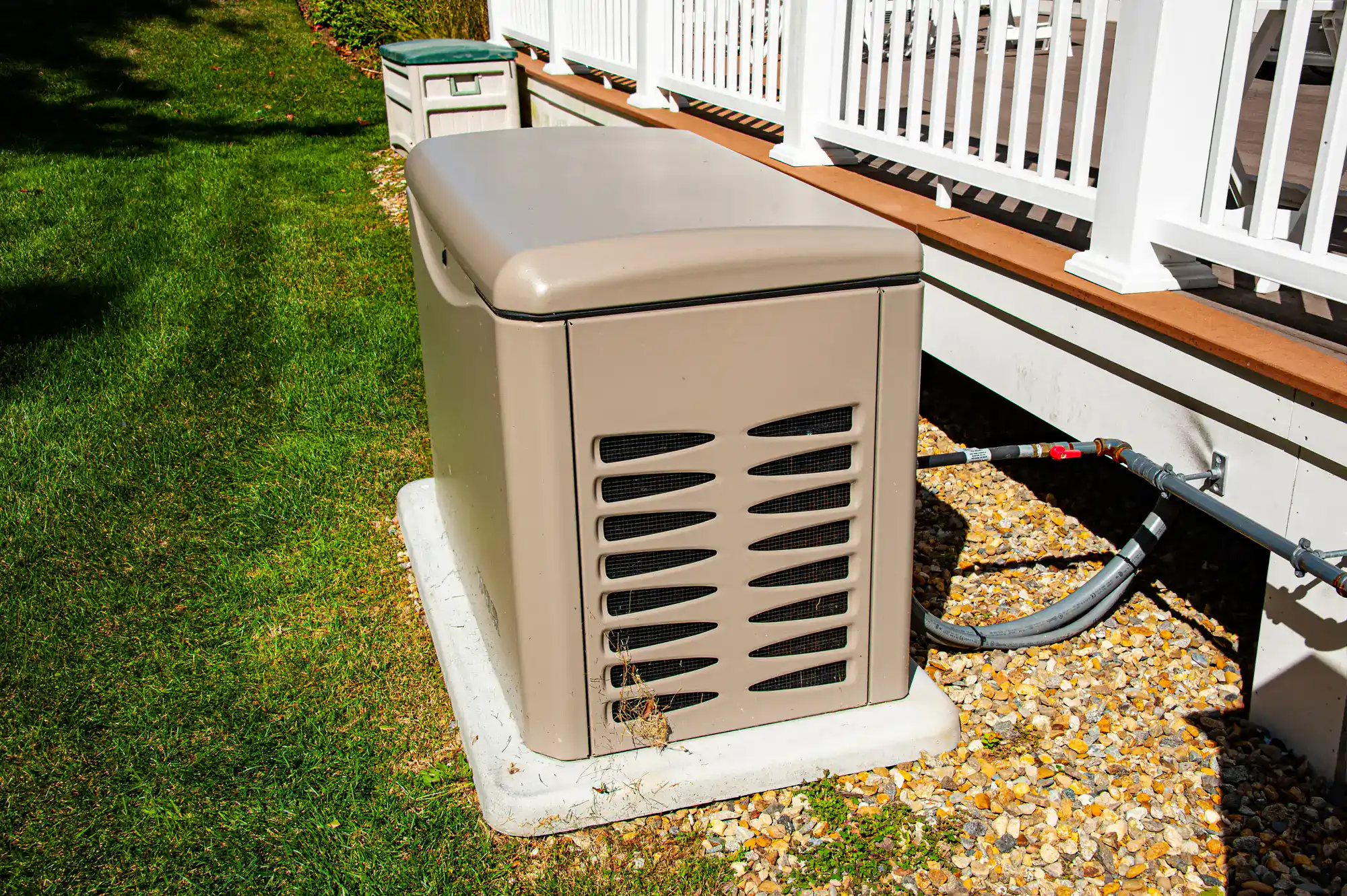
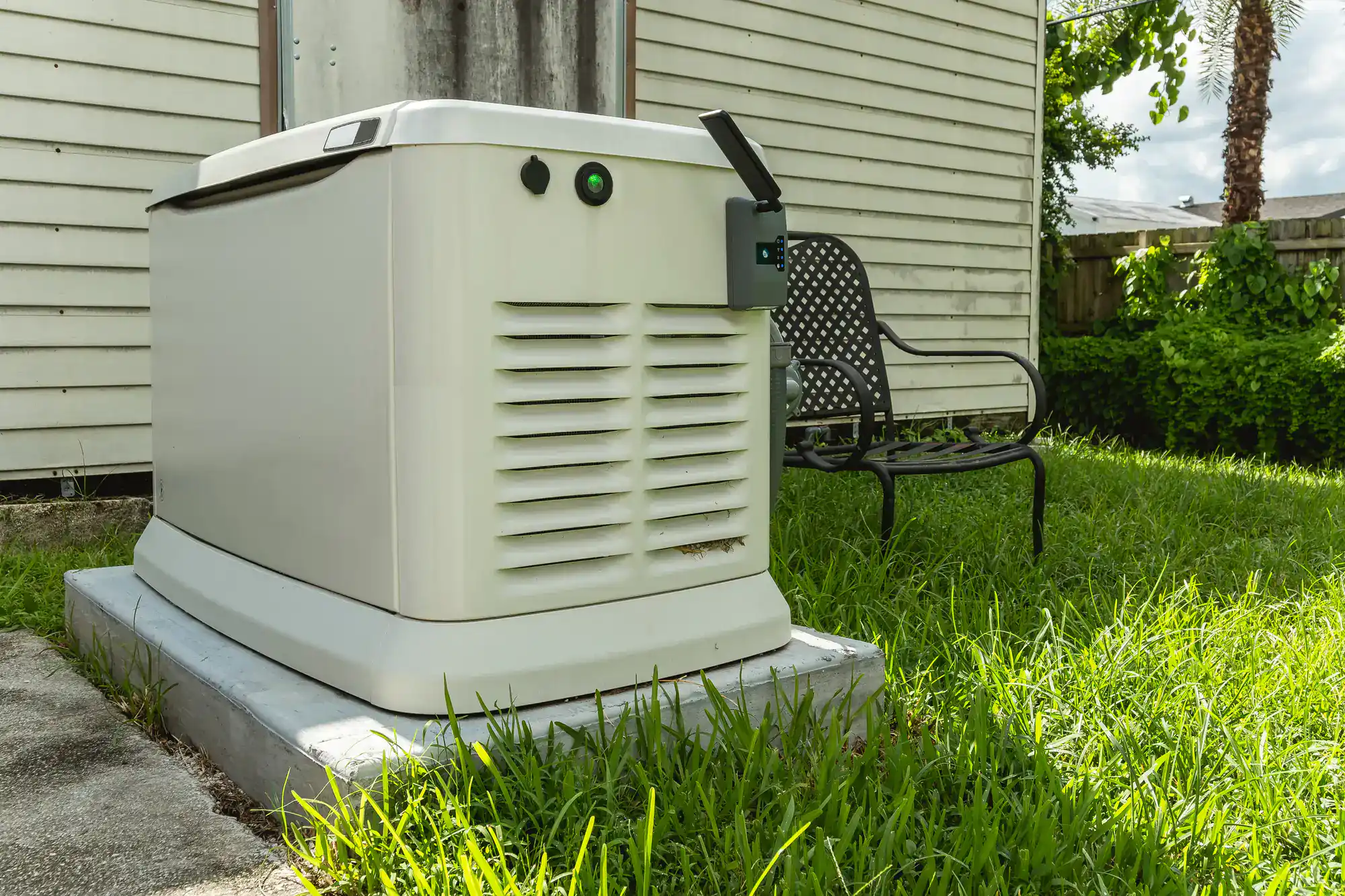
That’s what a professionally installed standby generator does. It kicks on automatically within seconds of an outage, runs your entire home on natural gas or propane, and keeps going until grid power comes back. You don’t flip a switch or haul gas cans. It just works.
We’re an authorized Generac dealer serving Barrington and the surrounding Rhode Island communities. We’re licensed, insured, and members of the Rhode Island Electrical Inspectors IAEI Roger Williams Chapter.
We’ve been installing standby generator systems in Barrington for years. We know what coastal weather does to your power grid. We know the local codes, the permitting process, and how to size a system that actually handles your home’s electrical load.
When you call us, you’re working with electricians who’ve done this hundreds of times. We show up on time, we explain what we’re doing, and we don’t leave until your system is tested and running right.
First, we come to your Barrington home and assess your electrical panel, your fuel source, and where the generator will sit. We calculate your home’s power needs so the system we install can actually handle everything you want to run during an outage.
Next, we handle the permits and coordinate with local inspectors. We prep the installation site, pour a concrete pad if needed, and run the electrical connections and fuel lines. Then we install the transfer switch that automatically detects outages and signals your generator to start.
Once everything’s connected, we test the system. We simulate an outage to make sure the transfer happens smoothly and your home gets power within seconds. We walk you through the control panel, show you how to monitor it, and explain the maintenance schedule. Then we file the final inspection paperwork and you’re covered.
Ready to get started?
You get a system sized correctly for your home’s electrical load. That means we’re not guessing at what size generator you need. We calculate it based on your actual panel, your appliances, and what you want running during an outage.
You get a licensed electrician for generator installation in Barrington, RI who pulls the right permits and schedules inspections with the town. You’re not dealing with code violations or failed inspections down the road.
Barrington sees its share of coastal storms. Nor’easters between September and April regularly knock out power for days. When the last big storm hit, over 42,000 Rhode Island Energy customers lost power, some for three days straight. Your neighbors were dealing with flooded basements, spoiled food, and no heat. With a standby generator installation in Barrington, RI, you’re not in that situation. Your system kicks on, your home stays powered, and you ride out the storm without the chaos.
Most homeowners in Barrington spend between $8,000 and $16,000 for a complete home generator installation. That includes the generator unit, the automatic transfer switch, the concrete pad, all electrical and fuel line connections, permits, and labor.
The actual cost depends on the size of the system you need and how complex the installation is. A smaller unit that powers essential circuits costs less than a larger system that runs your entire home. If we need to run a longer natural gas line or trench farther for propane, that adds to the project.
We give you a firm price upfront after we assess your home. No surprises, no upselling. You’ll know exactly what you’re paying before we start the work.
Most residential generator installations in Barrington take one to three days of actual work. That timeline assumes we’re working with an existing natural gas line or propane tank and your electrical panel doesn’t need major upgrades.
The bigger variable is permitting. Barrington requires permits for generator installations, and the approval process can take a week or two depending on the town’s workload. We handle all of that for you, but it does mean there’s a gap between when you sign off on the project and when we show up to install.
If you need a new propane tank or significant electrical work, the project takes longer. We’ll give you a realistic timeline during the estimate so you know what to expect.
Yes, if it’s sized correctly. That’s why we calculate your home’s electrical load before recommending a system. We look at your panel, add up the circuits you want powered, and factor in starting watts for things like your AC compressor or well pump.
A properly sized whole-home generator runs everything you’d normally use. Your HVAC system, your kitchen appliances, your lights, your outlets, your sump pump. You’re not rationing power or shutting things off to keep the generator from overloading.
Smaller generators can run essential circuits only—things like your refrigerator, some lights, and your heating system. That costs less upfront but means you’re making sacrifices during an outage. We’ll explain the tradeoffs so you can decide what makes sense for your home and your budget.
Either works. If your Barrington home already has natural gas service, that’s usually the simplest option. We tap into your existing line, and your generator has an unlimited fuel supply. You never run out of fuel during a long outage.
If you don’t have natural gas, propane is the way to go. We coordinate with a propane supplier to install a tank on your property, usually a 250-gallon or 500-gallon tank depending on your generator size and how long you want to run between refills. Propane gives you the same automatic operation as natural gas.
Some homeowners prefer propane even when natural gas is available because they like having their own fuel supply on-site. Both options work reliably. We’ll walk through the pros and cons based on your property and your preferences.
Your generator needs an annual service visit, similar to your HVAC system. We check the oil, replace the air filter, inspect the battery, test the transfer switch, and run the unit under load to make sure everything’s working right.
Most standby generators also self-test once a week. They start up, run for 10 or 15 minutes, and shut back down. You’ll hear it running briefly, and that’s normal. It keeps the engine lubricated and the battery charged so the system is ready when you actually need it.
If you’re on propane, you’ll also need to monitor your tank level and schedule refills. Natural gas systems don’t require any fuel management. Beyond that, these systems are low-maintenance. They’re designed to sit outside for years and start reliably when the power goes out.
Your generator starts automatically within 10 to 20 seconds of an outage. The transfer switch detects the loss of utility power, signals the generator to start, and switches your home over to generator power as soon as the unit is running at the right voltage and frequency.
You’ll notice a brief interruption—your lights will go out for those 10 to 20 seconds—but then everything comes back on. It’s fast enough that your refrigerator doesn’t warm up, your sump pump doesn’t miss a cycle, and your Wi-Fi router reboots and reconnects quickly.
When utility power comes back, the system waits a few minutes to make sure the grid is stable, then transfers your home back to utility power and shuts the generator down. The whole process is automatic. You don’t touch anything.