
For over 30 years, we’ve powered Rhode Island with expert electrical services delivered with a personal touch. Discover our story and commitment to quality.
Contact Info
- List Item
For over 30 years, we’ve powered Rhode Island with expert electrical services delivered with a personal touch. Discover our story and commitment to quality.
Contact Info
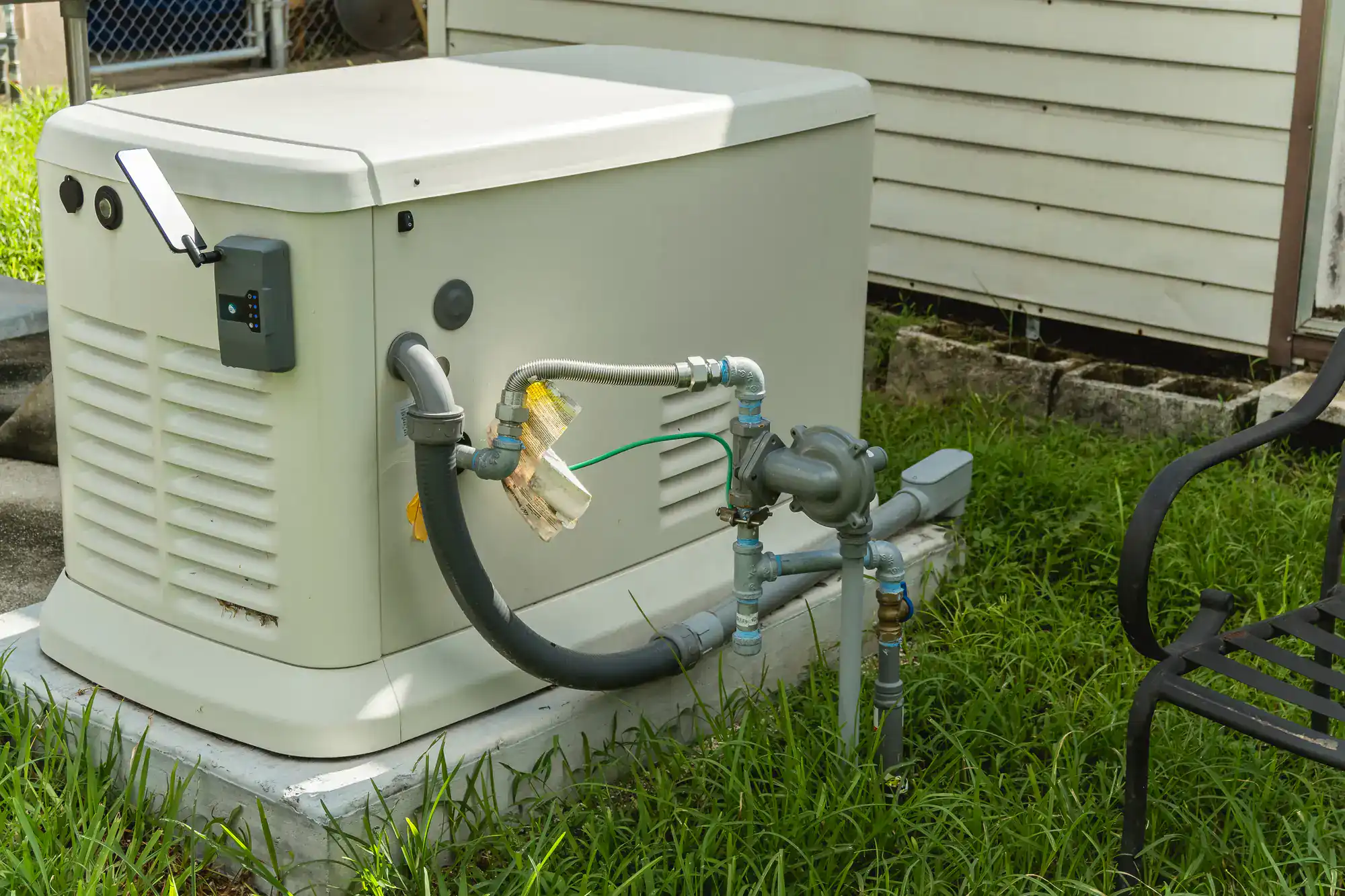
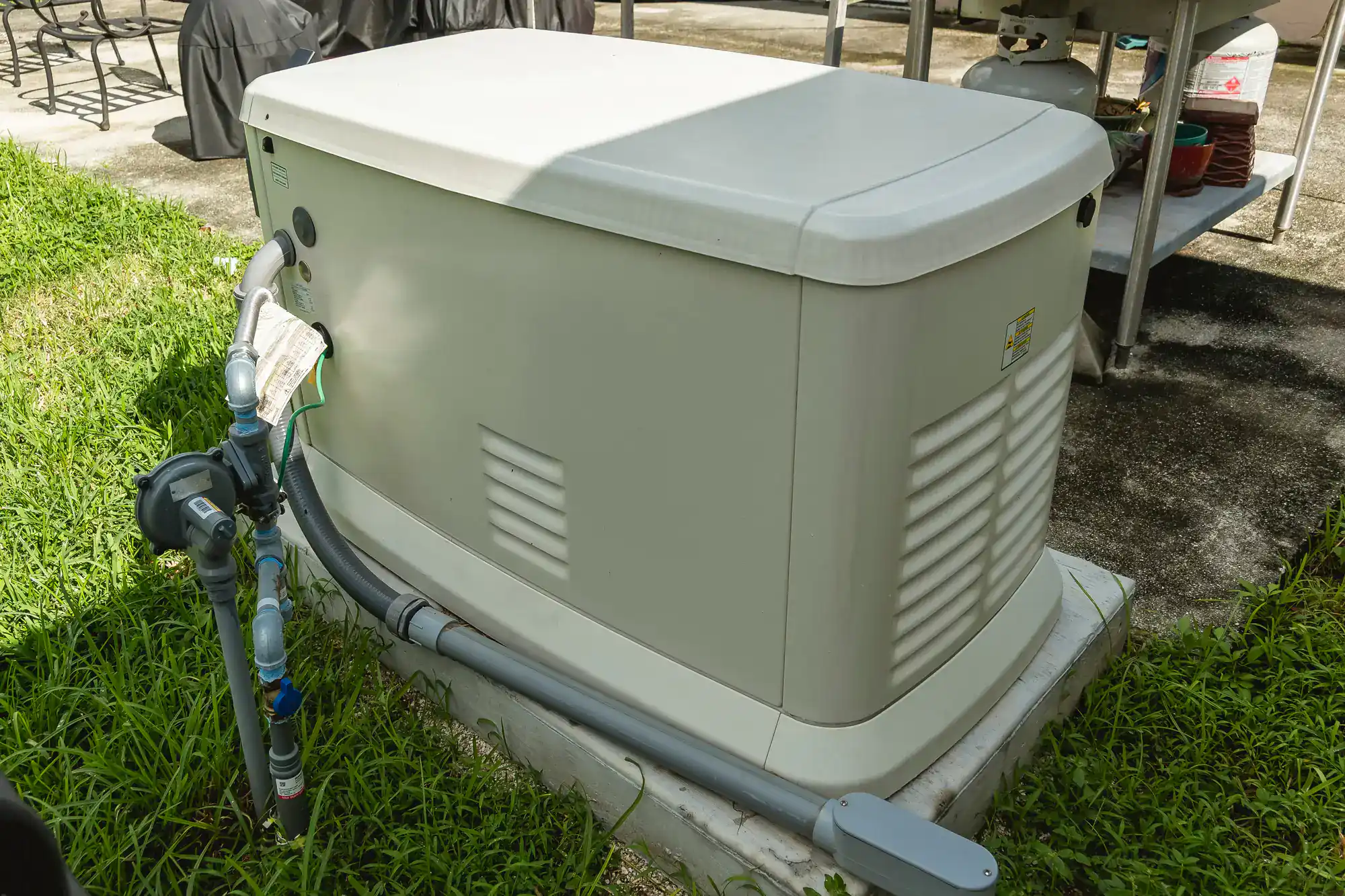
Your generator exists for one reason: to keep your life running when the power doesn’t. But if it won’t start during an outage, it’s just expensive yard decoration.
When we handle your generator repair in Attleboro, MA, you get equipment that fires up when you need it. Heat stays on during winter storms. Your sump pump keeps your basement dry. Medical equipment doesn’t lose power. Food in your fridge doesn’t spoil.
Massachusetts saw customers experience service interruptions averaging under two hours in 2024, but national averages hit 11 hours—with hurricanes accounting for 80% of those outages. You bought a generator to avoid being part of those statistics. Our job is making sure it delivers on that promise.
We troubleshoot the actual problem, not just the obvious symptom. Your generator service technician in Attleboro, MA will diagnose why your unit failed, fix it properly, and test it under load before we leave. No guesswork. No return trips for the same issue.
We’ve spent decades handling electrical systems across Rhode Island and Massachusetts. We’re licensed electricians first—which matters when you’re diagnosing why a generator won’t produce power or why it’s tripping your transfer switch.
Most generator problems aren’t just generator problems. They’re electrical problems. Faulty wiring. Improper grounding. Transfer switch issues. Voltage irregularities. We see the whole picture because we work on the whole system.
We serve Attleboro, MA from our Rhode Island base, and we know what winter storms do to backup power systems in this region. We’ve repaired units after ice storms knocked out power for days. We’ve fixed generators that failed during the first cold snap because they weren’t maintained properly. We’ve seen what happens when homeowners realize their “working” generator can’t actually handle their electrical load.
You’ll work with licensed technicians who carry insurance documentation and follow NFPA code requirements. We’re members of the Rhode Island Electrical Inspectors IAEI Roger Williams Chapter, which means our work gets done to the standard other inspectors would approve.
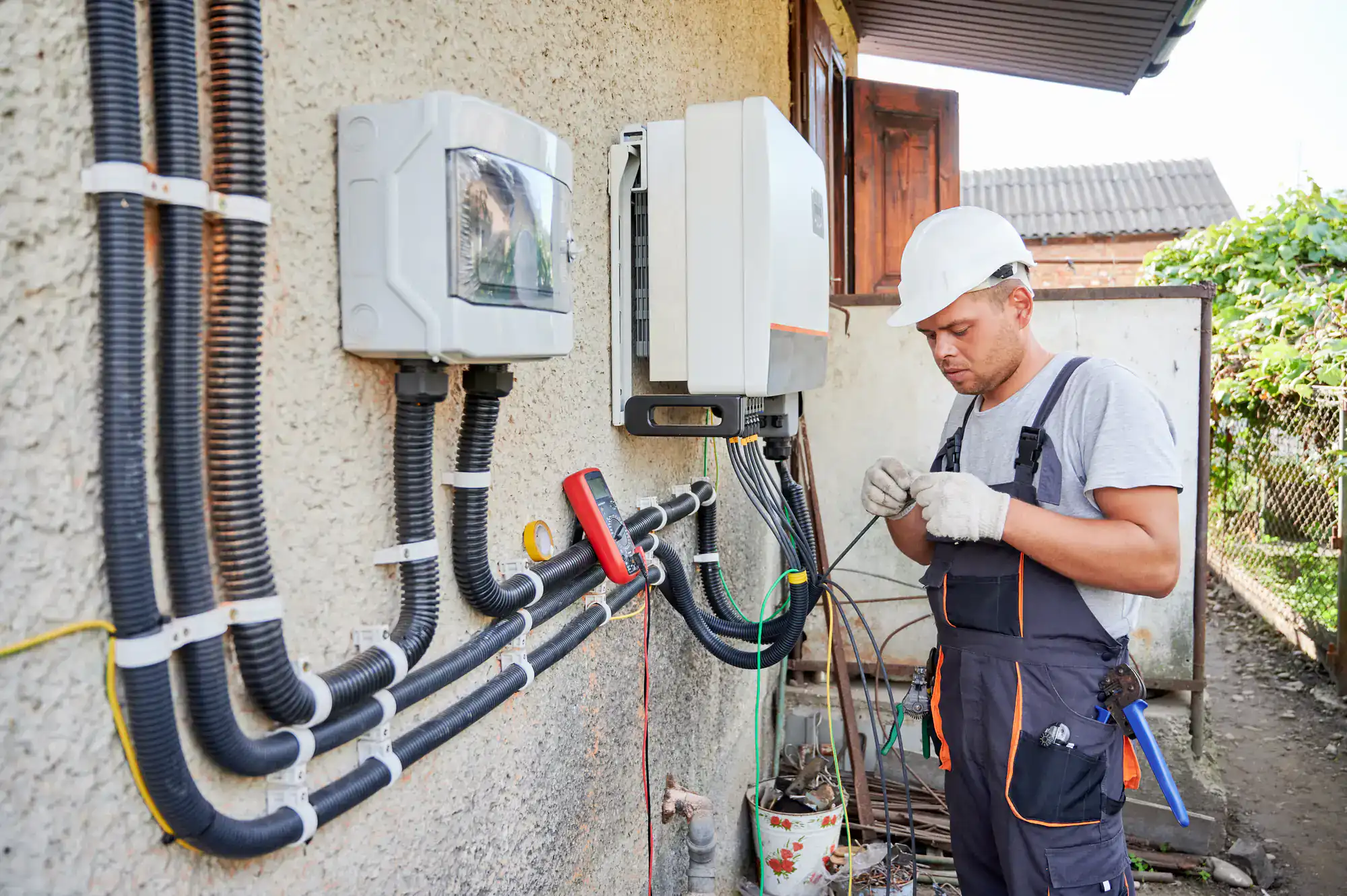
First, we listen to what happened. When did it fail? What was it doing—or not doing? Any strange sounds, smells, or warning lights? This tells us where to start looking.
Then we run diagnostics on-site. We’re checking your generator’s control board, fuel system, battery, starter, alternator, and transfer switch. We test voltage output under load. We inspect connections, wiring, and grounding. Most failures come down to a handful of common issues: dead batteries, fuel delivery problems, control board failures, or transfer switch malfunctions.
Once we identify the problem, we explain what failed and why. You’ll know what needs repair, what it costs, and how long it takes. No surprises.
After the repair, we test your generator under actual load conditions—not just a quick start. We make sure it’s producing clean, stable power at the right voltage. We verify your transfer switch is working correctly. We confirm your home or business is actually getting power from the unit.
If your generator is older or hasn’t been maintained, we’ll tell you about other issues we spot—things that might cause problems later. You decide what gets fixed now and what can wait. We’re not here to upsell you on repairs you don’t need, but we won’t ignore problems that will leave you without power next time.

Ready to get started?
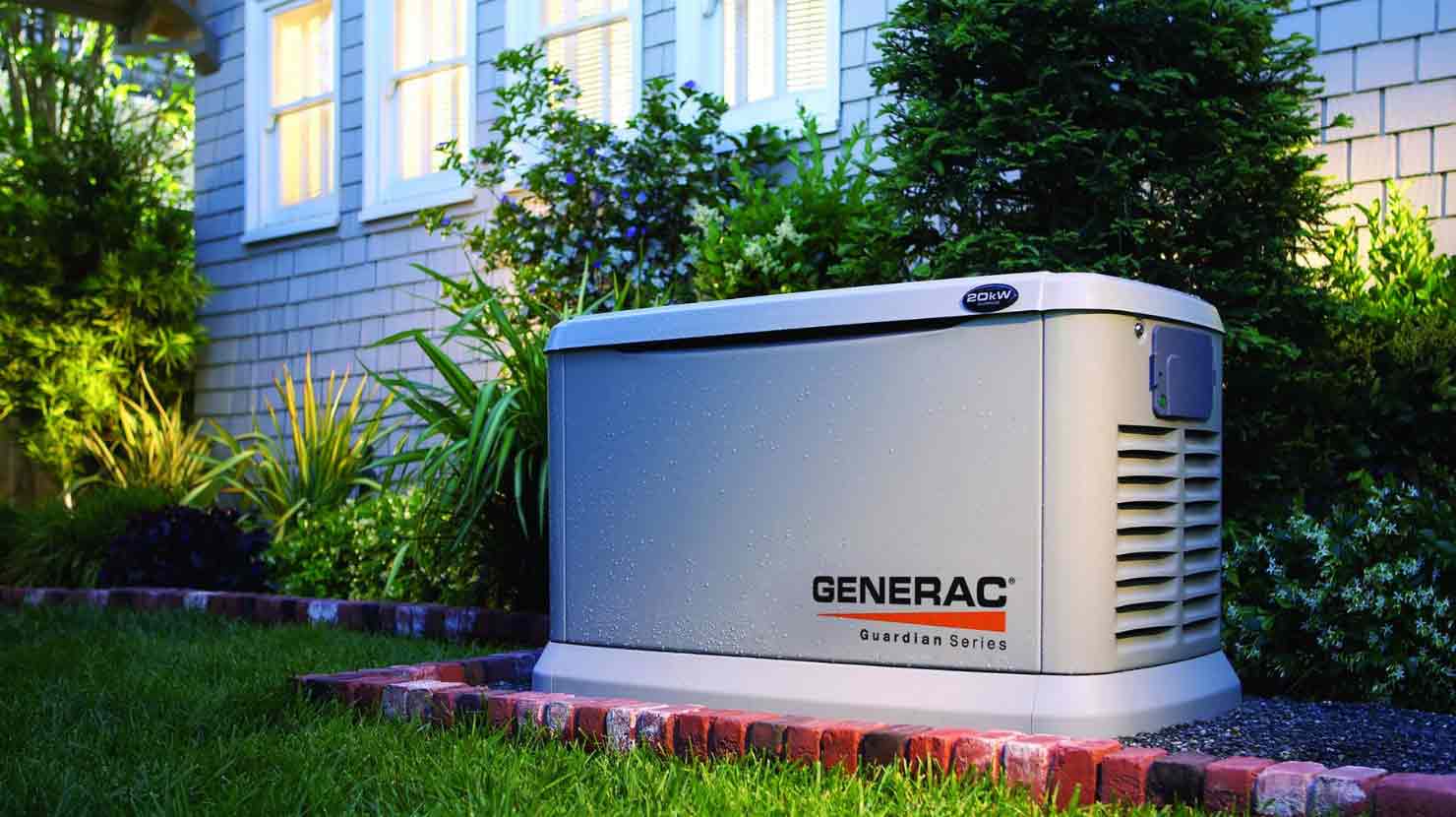
Our generator repair in Attleboro, MA covers all major brands: Generac, Kohler, Briggs & Stratton, and others. We work on residential standby generators and commercial backup systems.
Every service call includes full diagnostic testing to identify the root cause—not just the obvious symptom. If your generator won’t start, we’re finding out why the starter motor failed, not just replacing it and hoping that fixes it.
You get transparent pricing before work begins. We handle repairs on a job-by-job basis because every situation is different. A control board replacement costs more than a battery swap, and you shouldn’t pay a flat rate that assumes the worst-case scenario.
Attleboro sits in a region where winter weather creates real demand for backup power. When ice storms hit and power lines go down, your generator needs to run for hours—sometimes days. Our repairs account for that reality. We’re not just getting your unit to start; we’re making sure it can handle sustained operation under load.
If you need emergency generator repair in Attleboro, MA, we respond fast. When your power’s out and your generator failed, you don’t have time to wait three days for a service appointment. We know what’s at stake: frozen pipes, flooded basements, spoiled food, lost business revenue.
We also offer preventive maintenance to catch problems before they become emergencies. Most generator failures are preventable. Regular maintenance finds minor issues—corroded connections, weak batteries, dirty fuel—before they leave you without power during an outage.
It depends entirely on what failed. A simple fix like replacing a dead battery might cost $200-$400 including labor. A control board replacement could run $800-$1,500. Major repairs involving the alternator or engine components can cost more.
We diagnose the problem first, then give you a clear price before starting work. You’ll know exactly what you’re paying and why.
Most generator repairs fall somewhere between basic maintenance and full replacement. If your unit is older and needs extensive work, we’ll tell you honestly whether repair makes sense or if replacement is smarter financially. A generator that costs $3,000 to repair when a new unit costs $5,000 might not be worth fixing—especially if other components are likely to fail soon.
The average whole-house generator costs about $5,000 installed and lasts up to 20 years with proper maintenance. If your unit is 15 years old and needs major repairs, that context matters for your decision.
The most common causes are dead batteries, fuel delivery problems, or control board failures. Generators that sit unused for months develop issues that only show up when you actually need them.
Batteries lose charge over time, especially in cold weather. If your generator hasn’t run in weeks, the battery might not have enough power to crank the starter motor. Fuel can go stale or water can contaminate your fuel system, preventing proper combustion. Control boards can fail due to power surges, moisture, or simple age.
Transfer switch problems can also prevent your generator from starting. The switch might not be detecting the power outage, or it might not be sending the start signal to your generator. These issues require electrical troubleshooting beyond just looking at the generator itself.
This is why we run comprehensive diagnostics during generator troubleshooting in Attleboro, MA. We’re not guessing. We’re testing each system until we find what failed. Then we fix that specific problem, test the unit under load, and make sure it’s actually ready for the next outage.
Annual maintenance is standard for most residential standby generators. That typically costs $150-$300 and catches problems before they become emergencies.
During a maintenance visit, your generator service technician in Attleboro, MA should be changing the oil and filters, testing the battery, inspecting electrical connections, checking fuel lines, running the unit under load, and verifying your transfer switch operates correctly. This isn’t just a quick visual inspection—it’s actual testing to confirm everything works.
If your generator runs frequently or you’re in an area with harsh weather, you might need service twice a year. Commercial generators that provide critical backup power often need quarterly maintenance.
The reality is that planned preventive maintenance doesn’t guarantee you’ll never have a problem, but it dramatically reduces the chance of a critical breakdown during an outage. Most generator failures we see could have been prevented with regular service. A $200 annual maintenance call is a lot cheaper than a $1,500 emergency repair when your power’s been out for six hours.
Yes. We service all major residential and commercial generator brands including Generac, Kohler, Briggs & Stratton, Cummins, and others. Our licensed electricians have the diagnostic tools and technical knowledge to work on different manufacturers’ systems.
Generator repair requires understanding both the mechanical components (engine, alternator, fuel system) and the electrical components (control boards, transfer switches, wiring). That’s where our background as licensed electricians matters. We’re not just generator techs—we understand the entire electrical system your generator connects to.
Some repairs require brand-specific parts, which we source from suppliers who stock components for major manufacturers. Common parts like batteries, spark plugs, and filters are usually available quickly. Specialized components like control boards might take a few days to obtain, depending on your generator’s age and model.
If you have an older generator that’s been discontinued, parts availability can be an issue. We’ll tell you upfront if we can get what you need or if you’re looking at a situation where replacement makes more sense than repair.
Strange noises are the first warning sign most people notice. If your generator sounds different—louder, rougher, or makes clicking, grinding, or knocking sounds—something mechanical is wearing out or failing.
Inconsistent power output is another red flag. If lights flicker when running on generator power, or if some appliances work while others don’t, your generator isn’t producing stable voltage. This can damage sensitive electronics and indicates problems with your alternator or voltage regulator.
Difficulty starting, even if it eventually runs, means your battery is weak, your starter motor is failing, or you have fuel delivery issues. Generators should start promptly when the transfer switch signals them. If yours cranks slowly or takes multiple attempts, don’t wait for it to fail completely during the next outage.
Visible fuel or oil leaks, excessive exhaust smoke, or unusual smells (burning, fuel, electrical) all indicate problems that need immediate attention. These issues don’t fix themselves—they get worse until your generator stops working entirely. If you notice any of these signs, call for generator repair in Attleboro, MA before you’re dealing with an emergency during a power outage.
Yes. When your power is out and your generator won’t start, we respond as quickly as possible. We understand that generator failures during outages aren’t just inconvenient—they’re potentially dangerous.
Without backup power, your heat stops working in winter. Sump pumps can’t prevent basement flooding. Medical equipment loses power. Refrigerated medications spoil. For businesses, every hour without power means lost revenue and potentially spoiled inventory.
Emergency repairs focus on getting your generator running again as quickly as possible. We diagnose the failure, determine if we can fix it on-site with parts we carry, and get your power restored. If we need specialized parts that aren’t immediately available, we’ll tell you the timeline and discuss temporary solutions.
Keep in mind that emergency service during active outages is high-demand. When a major storm knocks out power across Attleboro, MA, every generator owner with a failed unit is calling for help. We prioritize calls based on urgency—medical needs, flooding risks, and business-critical situations get fastest response.
The best approach is preventive maintenance before storm season. An annual service visit catches most problems before they leave you without power when you need it most.