
For over 30 years, we’ve powered Rhode Island with expert electrical services delivered with a personal touch. Discover our story and commitment to quality.
Contact Info
- List Item
For over 30 years, we’ve powered Rhode Island with expert electrical services delivered with a personal touch. Discover our story and commitment to quality.
Contact Info
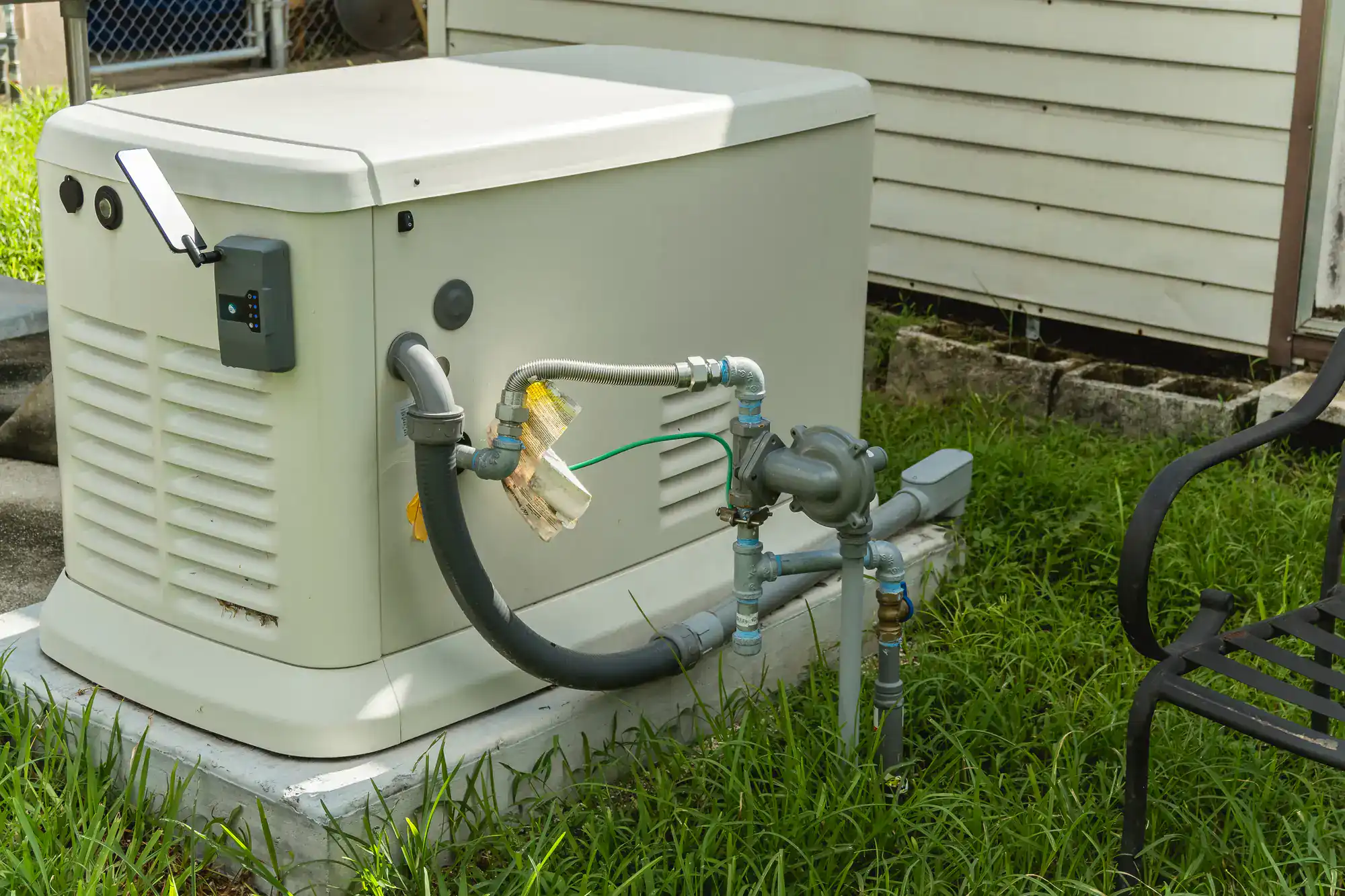
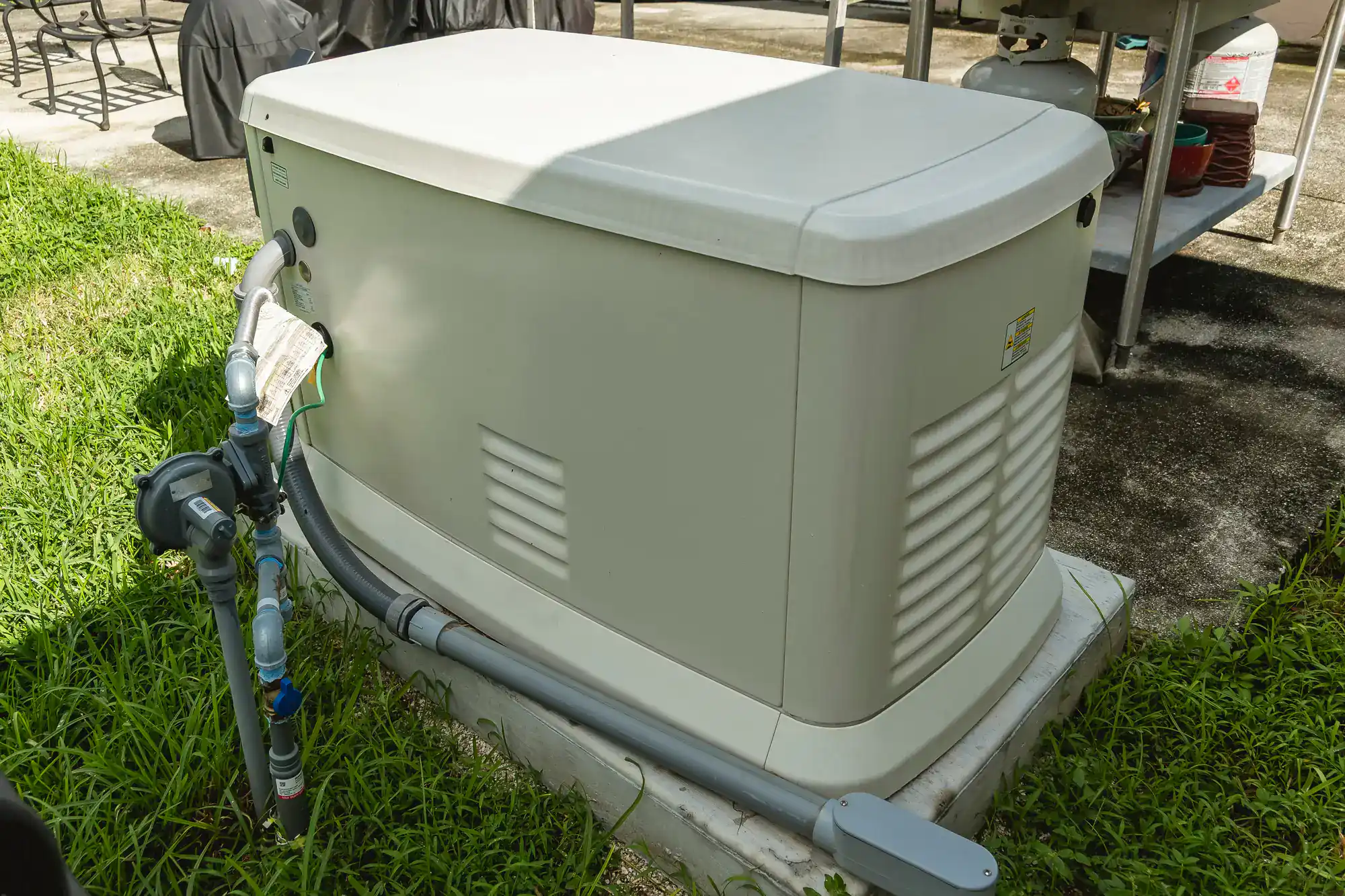
Right now, hundreds of Rhode Island homes are sitting in the dark. The state ranks fifth nationwide for power outage frequency. Your generator is supposed to prevent that.
But only if it actually starts. Only if the battery isn’t dead. Only if someone’s been maintaining it properly.
When your generator fails during a storm, you’re not just losing power. You’re losing food in the fridge, heat in winter, and any sense of control over the situation. That’s not a small inconvenience—it’s a real problem that costs you money and peace of mind.
Generator repair in South Kingstown means your system gets diagnosed correctly the first time. The battery gets tested. The fuel lines get checked. The air filter gets cleaned or replaced. You’re not guessing what’s wrong—you’re getting it fixed by someone who’s seen the same issue a hundred times before.
We’ve been handling electrical work across Rhode Island for decades. We’re licensed, insured, and members of the Rhode Island Electrical Inspectors IAEI Roger Williams Chapter. That’s not marketing language—it’s the baseline you should expect from anyone working on your generator.
South Kingstown homeowners and businesses call us when their backup power fails. We’ve repaired generators after hurricanes, winter storms, and random Tuesday outages that knock out half the neighborhood. We know what breaks, why it breaks, and how to fix it without selling you parts you don’t need.
You’re not hiring a national franchise that subcontracts the work. You’re hiring local electricians who understand Rhode Island weather and the specific demands it puts on your generator system.
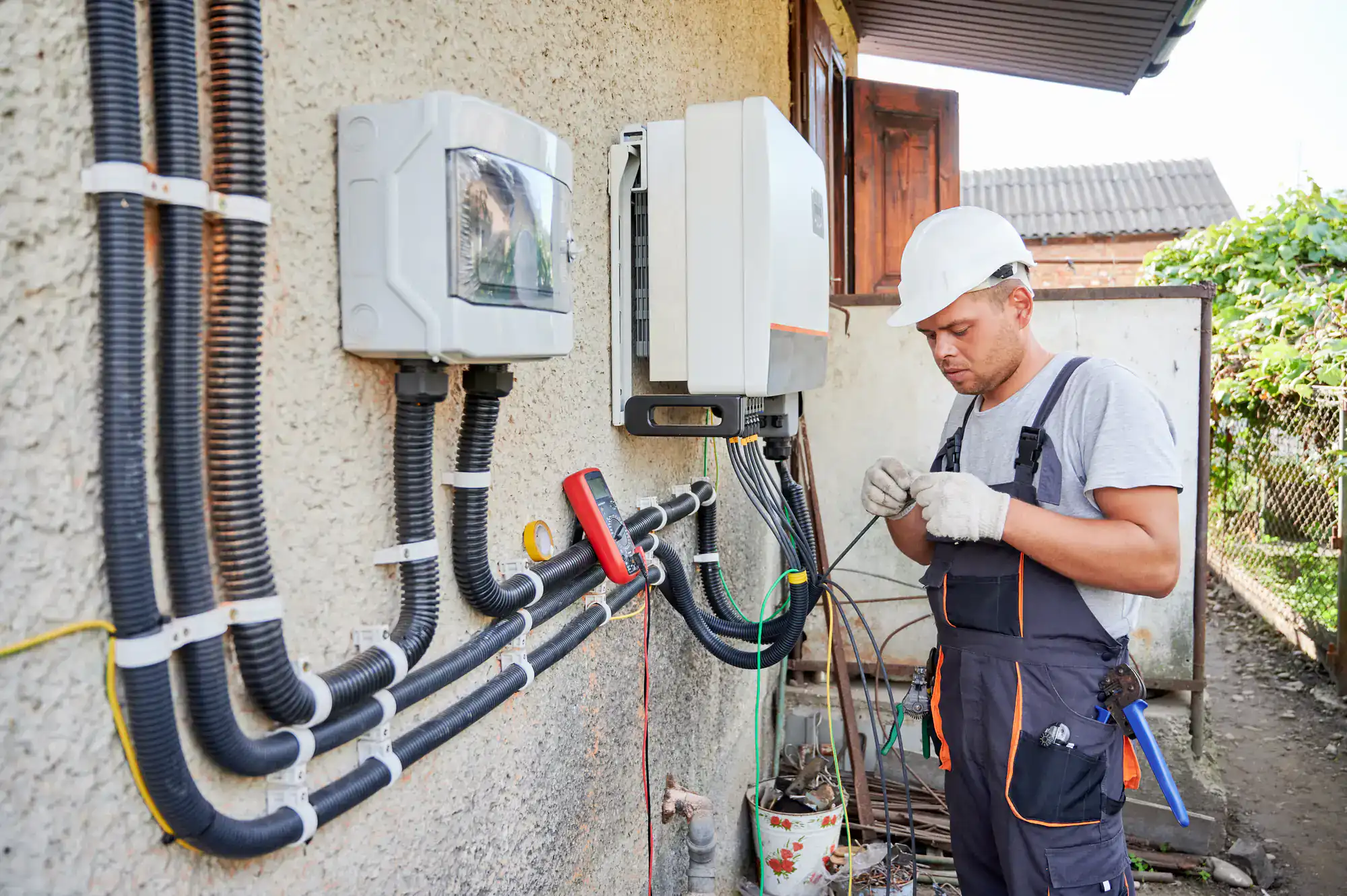
First, we figure out what’s actually wrong. Generator troubleshooting in South Kingstown starts with the basics: Does it have fuel? Is the battery charged? Are the spark plugs fouled? Is the air filter clogged?
Most generator problems fall into a handful of categories. Battery failure is the most common—batteries wear out, especially if they’re not load-tested regularly. Fuel issues come next: stale gas in portable units, propane supply problems in standby systems. Then there’s maintenance neglect: dirty filters, low oil, carburetor buildup.
We run diagnostics on your system. We test the starting mechanism, check the fuel lines, inspect the engine components, and look at the electrical connections. If something’s broken, we tell you what it is and what it costs to fix it.
Once you approve the work, we handle the repair. That might mean replacing a battery, cleaning the carburetor, swapping out a bad spark plug, or addressing a more complex electrical issue. When we’re done, we test the system under load to make sure it’s actually going to run when you need it.

Ready to get started?
Residential generator repair in South Kingstown covers the full range of issues that keep your system from starting or running properly. You’re paying for someone who knows how to diagnose the problem without throwing parts at it.
That includes battery testing and replacement, fuel system troubleshooting, air filter service, spark plug replacement, oil changes, carburetor cleaning, and electrical connection repairs. For commercial generator repair in South Kingstown, the scope expands to larger systems with more complex transfer switches and higher power demands.
Rhode Island sees enough weather to justify the generator investment—average installation runs around $5,000, with annual maintenance between $150 and $300. But that only works if the system is actually maintained. Most failures happen because someone skipped the yearly service or ignored warning signs like rising fuel consumption or slow starts.
We also handle emergency repairs when your generator quits mid-outage. That’s not the ideal time to discover a problem, but it’s when most people realize they have one. If your system is down and the power’s out, we prioritize getting you back online.
Dead battery. That’s the most common reason a generator won’t start in South Kingstown when the power goes out.
Generator batteries lose charge over time, especially if the system isn’t exercised regularly. If your unit hasn’t run in months, the battery may not have enough power to crank the engine. Cold weather makes this worse—batteries lose capacity when temperatures drop.
Other common causes include low oil (many generators have a safety shutoff that prevents starting if oil is low), stale fuel in portable units, a tripped circuit breaker, or a faulty spark plug. Sometimes it’s as simple as the fuel valve being closed or the choke being in the wrong position. But if you’ve checked those basics and it still won’t start, you’re likely looking at a component failure that needs a licensed generator electrician repair in South Kingstown to diagnose properly.
Once a year, minimum. Twice a year if you run it frequently or if it’s a critical system for your business.
Annual generator service in South Kingstown should include an oil change, air filter inspection or replacement, spark plug check, battery load test, fuel system inspection, and a test run under load. That’s not optional maintenance—it’s what keeps a generator running for its expected 20-year lifespan instead of failing after five.
Most manufacturers require annual service to keep the warranty valid. More importantly, regular maintenance catches small problems before they become expensive failures. A dirty air filter reduces efficiency and increases fuel consumption. Low oil can seize the engine. A weak battery won’t start the unit when you need it. All of these are easy fixes during scheduled service, but they’re major headaches during a power outage.
Blocked air filter. When your generator can’t breathe properly, it burns more fuel to produce the same amount of power.
A clogged air filter restricts airflow to the engine, forcing it to work harder and consume more natural gas or propane than it should. You’ll notice this as higher utility bills if you have a standby generator that exercises weekly, or shorter run times if you’re using a portable unit during an outage.
Other causes of increased fuel consumption include a carburetor that needs cleaning, spark plugs that aren’t firing efficiently, or running the generator at partial load for extended periods. Generators are designed to run most efficiently at 50-75% of their rated capacity. If you’re consistently running well below that, you’re wasting fuel. Fix generator problems like dirty filters early, and you’ll save money on fuel costs while extending the life of your engine.
You can handle basic maintenance. You shouldn’t handle electrical repairs or anything involving the transfer switch.
Changing the oil, replacing the air filter, and swapping spark plugs are straightforward tasks if you’re comfortable with basic engine maintenance. Those are the same procedures you’d do on a lawn mower or other small engine. Keep your manual handy and follow the manufacturer’s specifications.
But generator troubleshooting and repair in South Kingstown gets complicated fast when you’re dealing with electrical issues, fuel system problems, or transfer switch malfunctions. Standby generators connect directly to your home’s electrical panel and your gas line. Mistakes can cause fires, carbon monoxide poisoning, or electrocution. They can also backfeed power into the grid, which is dangerous for utility workers trying to restore service. Licensed electricians carry insurance for a reason—this work has real consequences if done incorrectly. If your generator won’t start and you’ve checked the obvious stuff, call someone who does this for a living.
Twenty years for a well-maintained standby generator. Ten to fifteen for a portable unit that sees regular use.
That lifespan assumes you’re doing annual maintenance, running the system regularly to keep components lubricated, and addressing small problems before they cascade into major failures. Generators that sit unused for months at a time don’t last as long—fuel goes stale, seals dry out, and batteries lose charge.
The engine itself is usually good for thousands of hours of runtime. What fails first is typically the battery (every 3-5 years), followed by wear items like spark plugs, filters, and belts. The transfer switch and electrical components can last the full lifespan if they’re not exposed to moisture or physical damage. Residential generator repair in South Kingstown often involves replacing these wear items rather than major engine work. The key is catching problems during routine service rather than waiting for a breakdown. A $200 annual maintenance visit is a lot cheaper than a $2,000 repair bill when the engine seizes from low oil.
Check your fuel supply first. If the tank is full and the fuel valve is open, you’re likely dealing with a carburetor issue or a sensor problem.
Generators that start and then die after a few seconds often have a carburetor clogged with old fuel residue. This is especially common in portable generators that sat all winter with gas in the tank. The fuel evaporates, leaving behind a varnish that blocks the jets. Cleaning or rebuilding the carburetor usually solves it.
If it’s a standby generator running on natural gas or propane, the problem might be fuel pressure, a faulty regulator, or a safety sensor shutting the system down. Low oil sensors, high temperature sensors, and overcrank sensors can all stop the generator if they detect a problem—even if that problem is a false reading from a bad sensor. Commercial generator repair in South Kingstown often involves diagnosing which sensor is causing the shutdown and whether it’s protecting the engine from real damage or just malfunctioning. Either way, a generator that won’t stay running needs professional troubleshooting. You can’t fix what you can’t diagnose.