
For over 30 years, we’ve powered Rhode Island with expert electrical services delivered with a personal touch. Discover our story and commitment to quality.
Contact Info
- List Item
For over 30 years, we’ve powered Rhode Island with expert electrical services delivered with a personal touch. Discover our story and commitment to quality.
Contact Info
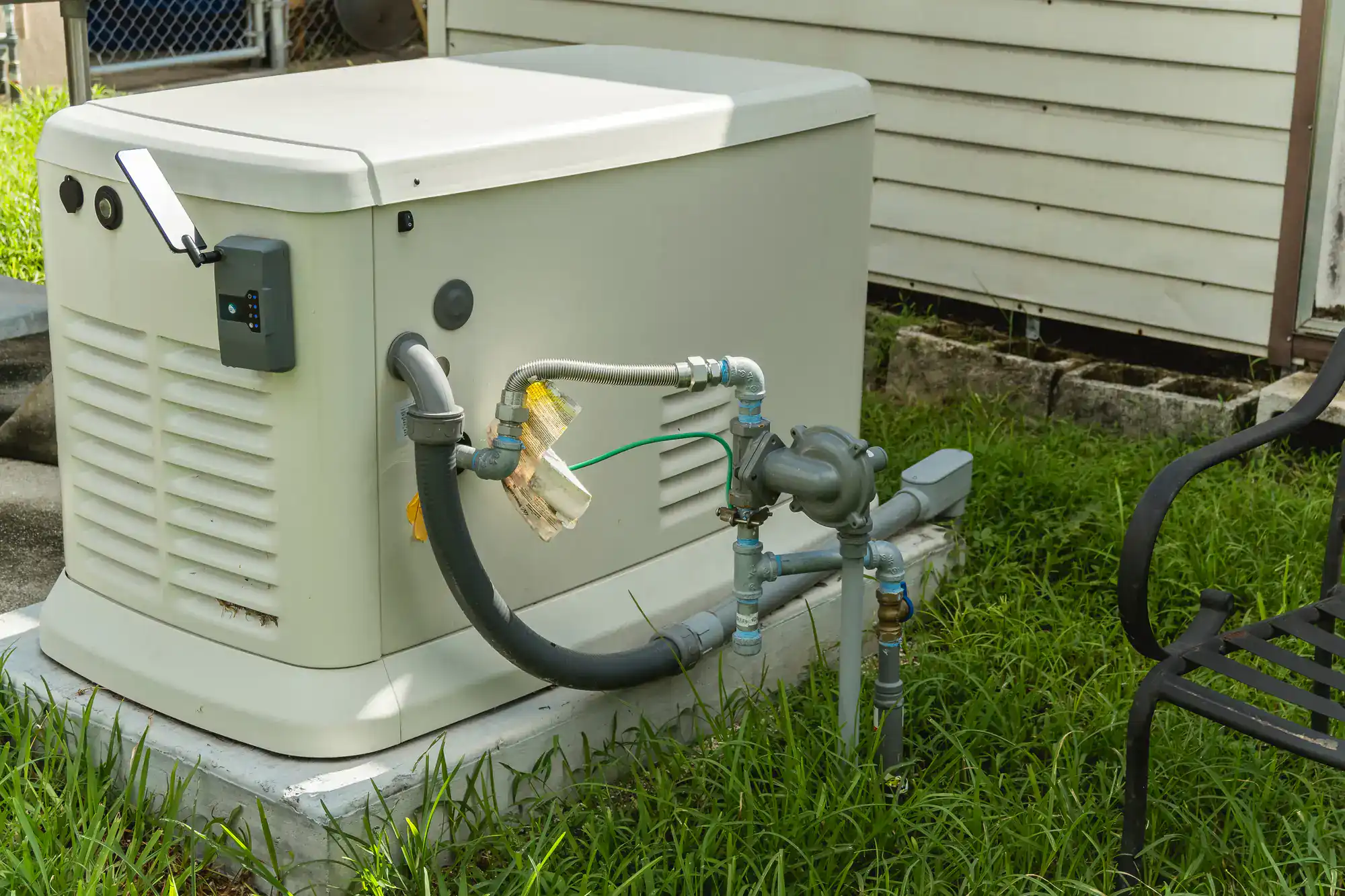
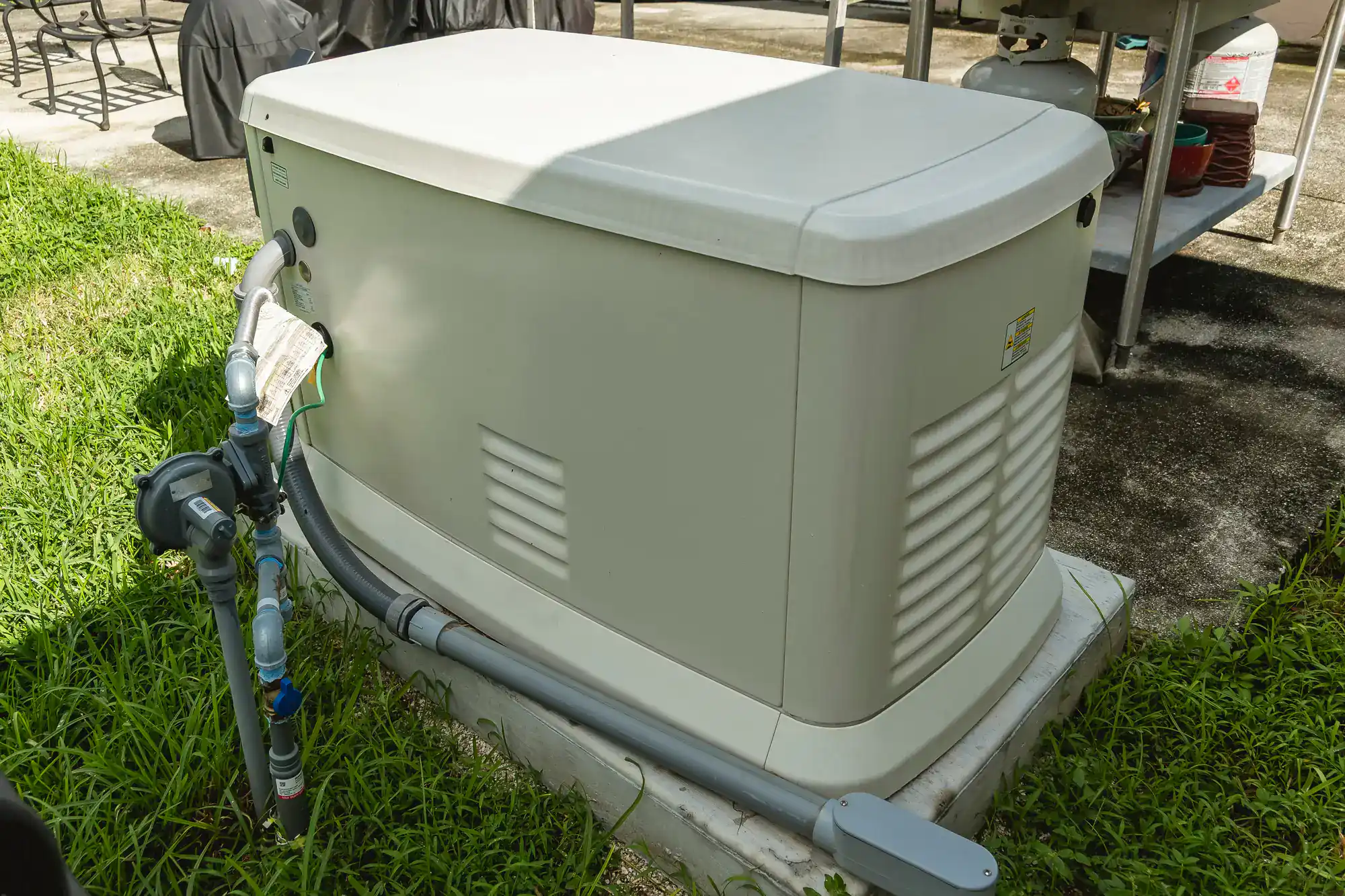
When your generator fails during an outage, you’re facing spoiled food, a flooded basement, frozen pipes, or worse. You need someone who shows up, diagnoses the problem correctly, and fixes it right the first time.
That’s what you get with a licensed generator service technician in Scituate, RI who’s been doing this for over 30 years. Your generator gets repaired fast using the right parts and proper electrical code compliance. No guessing. No shortcuts.
After the repair, your backup power system runs the way it should. You can trust it when the next storm hits. That peace of mind matters when you’re protecting your home, your family, and everything inside.
We’ve been handling residential generator repair and commercial generator repair in Scituate, RI and throughout Rhode Island since the early 1990s. We’re fully licensed Master Electricians and a certified Generac dealer, which means we know these systems inside and out.
We’ve completed over 1,500 commercial projects and countless residential repairs. We’re members of the Rhode Island Electrical Inspectors IAEI, and we carry full insurance. You can verify everything.
Scituate homeowners deal with serious weather. Coastal storms, hurricanes, blizzards—Rhode Island ranks 5th nationwide for percentage of customers affected by power outages. When your generator doesn’t start, you need someone local who actually answers the phone and shows up. That’s us.
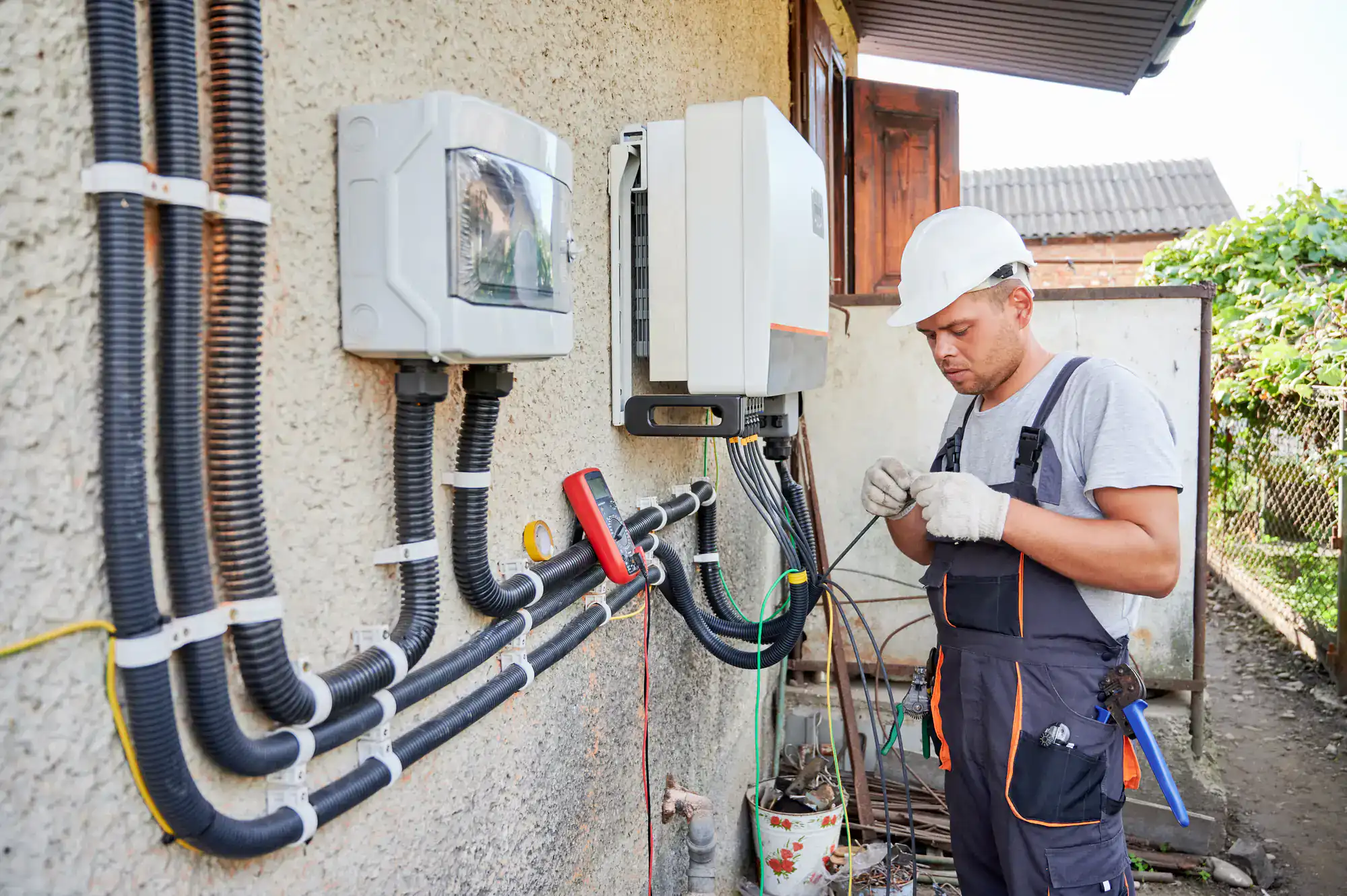
First, we listen. You tell us what’s happening—whether your generator won’t start, keeps shutting off, or threw an error code. We ask a few questions to understand the situation before we even arrive.
Then we come to your property in Scituate, RI and run a full diagnostic. We check the battery, spark plugs, fuel system, transfer switch, and control board. Most failures come down to a handful of common issues, and we’ve seen them all. We’ll tell you exactly what’s wrong and what it takes to fix it.
Once you approve the repair, we handle it on-site whenever possible. We carry common parts and have access to Generac-certified components. After the repair, we test the system under load to make sure everything runs correctly. You’ll know it works before we leave.

Ready to get started?
You get a licensed electrician who understands backup power systems, not just someone who swaps parts and hopes for the best. We diagnose electrical issues, mechanical failures, and control system problems. That includes battery testing, fuel line inspection, spark plug replacement, transfer switch evaluation, and error code analysis.
For Scituate, RI properties, we also look at how coastal weather impacts your system. Salt air corrodes connections. High humidity affects electronics. Heavy storms put extra demand on generators that sit idle most of the year. We account for all of it during generator troubleshooting and repair.
You also get transparent pricing. We charge job-to-job based on what the repair actually requires, not some inflated flat rate. And if your generator needs ongoing maintenance to prevent future breakdowns, we’ll tell you that too. Generators need service after every 100 hours of operation and at least once a year. Skipping that maintenance is why most systems fail when you need them most.
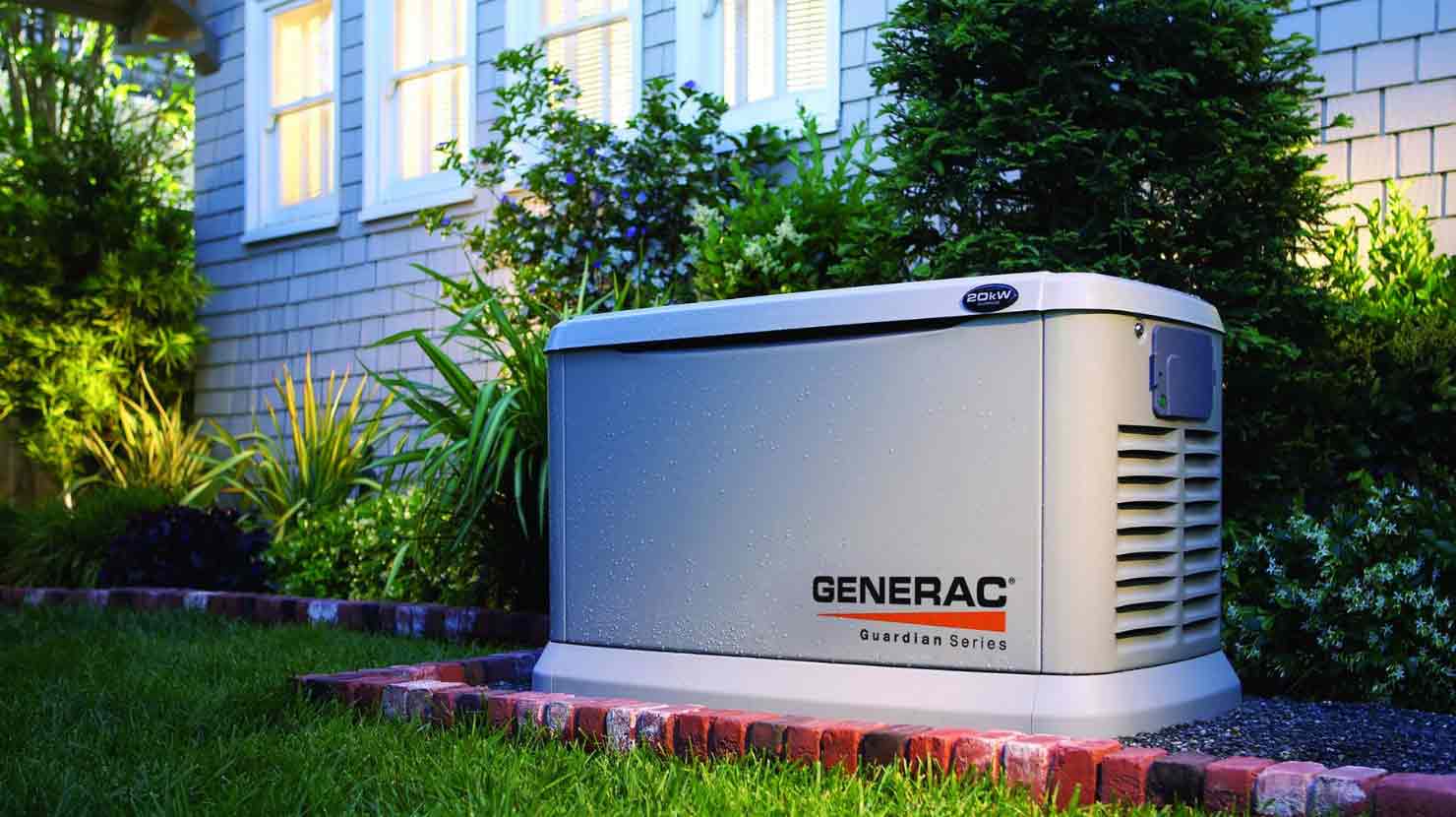
It depends on what’s broken. A simple fix like replacing a dead battery or worn spark plugs might run a few hundred dollars. More complex repairs—like a failed transfer switch, control board replacement, or fuel system work—cost more because they require more time, specialized parts, and technical expertise.
We price each job based on what it actually takes to fix your generator correctly. That means no inflated flat rates or surprise charges. You’ll know the cost before we start the repair, and we’ll explain exactly what you’re paying for.
The real cost isn’t just the repair itself. It’s what happens if you don’t fix it. A generator that doesn’t work during a multi-day outage can cost you thousands in hotel bills, spoiled food, water damage, and frozen pipes. Fixing it right the first time is always cheaper than dealing with those consequences.
Most of the time, it’s the battery. Generators sit idle for months, and the battery slowly loses charge or develops corrosion on the terminals. When the power goes out and the system tries to start, there’s not enough juice to turn the engine over.
Other common causes include bad spark plugs, stale fuel, a tripped breaker, or a malfunctioning control board. Sometimes it’s as simple as the generator being in the wrong mode or a sensor detecting low oil pressure. Each issue has different symptoms, and diagnosing it correctly matters.
If your generator won’t start, don’t keep trying to force it. You could damage the starter motor or drain the battery completely. Call a licensed generator service technician in Scituate, RI who can run a proper diagnostic and fix the actual problem. Guessing just wastes time and money.
At minimum, once a year. Generators need regular maintenance just like your car. That includes changing the oil and filter, replacing spark plugs, checking the battery, inspecting fuel lines, testing the transfer switch, and running the system under load to make sure everything works.
If your generator runs during an outage, you also need service after every 100 hours of operation. That’s roughly four days of continuous use. Running a generator hard without maintenance afterward shortens its lifespan and increases the chance of failure next time.
For Scituate, RI properties near the coast, annual service is even more important. Salt air and humidity accelerate wear on electrical connections and metal components. Skipping maintenance means you’re gambling that your generator will work when you need it most. Most people find out it won’t the hard way—during a storm when it’s too late to fix it.
We repair all major brands, but we’re certified Generac dealers, which gives us deeper access to technical support, OEM parts, and factory training. If you have a Generac system, you’re getting someone who knows that equipment better than a general electrician.
For other brands like Kohler, Briggs & Stratton, or Cummins, we still handle the repairs. The fundamentals are similar across brands—engines, alternators, transfer switches, and control systems all work on the same principles. We’ve been fixing generators for over 30 years, so we’ve seen most configurations.
That said, parts availability matters. Generac is the most common residential generator in Rhode Island, so we stock common components and can get parts fast. For other brands, we might need to order specific parts, which can add a day or two to the repair timeline. We’ll let you know upfront if that’s the case.
Yes. When a storm knocks out power and your generator won’t run, waiting until Monday isn’t an option. We handle emergency generator repair for homes and businesses in Scituate, RI when you’re stuck without backup power.
Emergency calls get priority, but we’re also realistic about what’s possible. If the repair requires a part we don’t have on the truck, we’ll tell you that upfront. Some fixes can be done on the spot. Others require ordering components or more extensive electrical work that can’t happen safely in the dark during a storm.
The best way to avoid emergency repairs is regular maintenance. Most generator failures happen because the system wasn’t serviced and small problems turned into big ones. If your generator is older or hasn’t been checked in over a year, schedule a service call before the next storm season. It’s a lot cheaper than an emergency repair when you’re already in the dark.
Repair means something’s broken and needs to be fixed. Maintenance means you’re keeping the system in good shape so it doesn’t break in the first place. They’re related, but they’re not the same thing.
Generator repair in Scituate, RI happens when your system won’t start, keeps shutting off, or throws an error code. We diagnose the problem, replace failed components, and get it running again. That’s reactive—you’re fixing something after it fails.
Maintenance is proactive. You’re changing oil, replacing spark plugs, testing the battery, and inspecting components before they fail. It costs less than repairs and prevents breakdowns during power outages when you actually need the generator. Most people skip maintenance because the generator seems fine, then they’re surprised when it doesn’t work during a storm. The ones who stay on top of it rarely call us for emergency repairs.