
For over 30 years, we’ve powered Rhode Island with expert electrical services delivered with a personal touch. Discover our story and commitment to quality.
Contact Info
You’re not dealing with extension cords in the rain. You’re not throwing out a fridge full of food or worrying about your sump pump failing while you’re at work.
Your lights stay on. Your heat keeps running. Your home office doesn’t skip a beat during client calls. If you’ve got medical equipment that can’t afford downtime, it doesn’t have to.
Rhode Island ranks 16th nationally for power outages and 5th for percentage of customers affected. Tiverton sees its share of nor’easters and coastal storms that drop trees on power lines. A standby generator installation in Tiverton, RI means you’re not part of that statistic anymore. You’re the house on the block that doesn’t lose a step when the grid goes down.
We’re an authorized Generac dealer and a member of the Rhode Island Electrical Inspectors IAEI. We’ve been doing electrical work in Tiverton and across Rhode Island for decades, and generator installation is something we do right the first time.
You’re working with licensed electricians who understand local codes, coastal weather patterns, and what it takes to keep a system running when you need it most. We’re not a general contractor who subcontracts the electrical work. We’re the electricians.
We’ll walk you through sizing, placement, fuel type, and what to expect during installation. No surprises. No upselling. Just a system that works when the power doesn’t.
First, we come out to your property in Tiverton, RI and assess your electrical panel, fuel source, and where the generator should sit. We’ll talk through what you want to keep running during an outage—whole house or critical circuits—and recommend the right size unit.
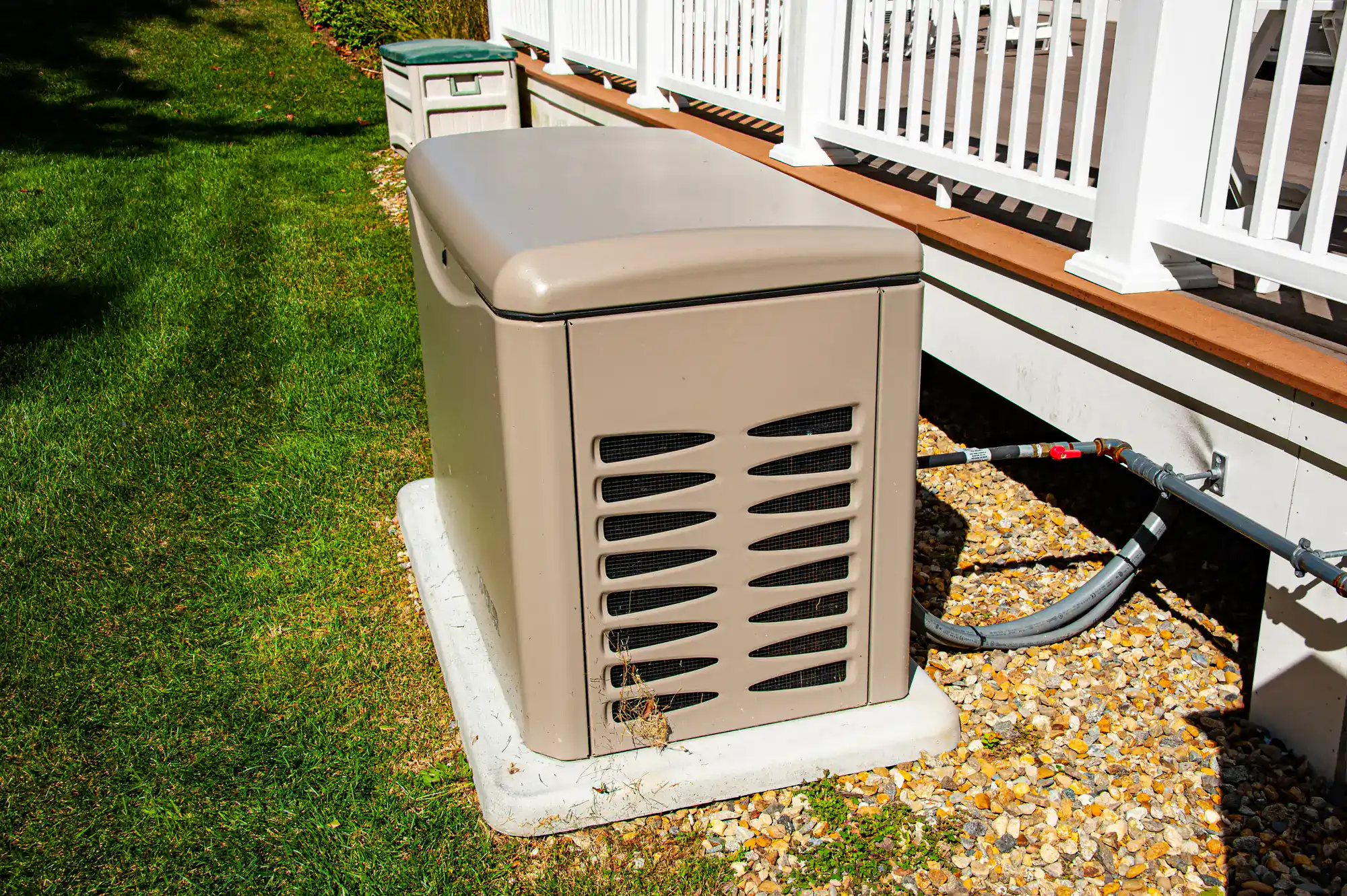
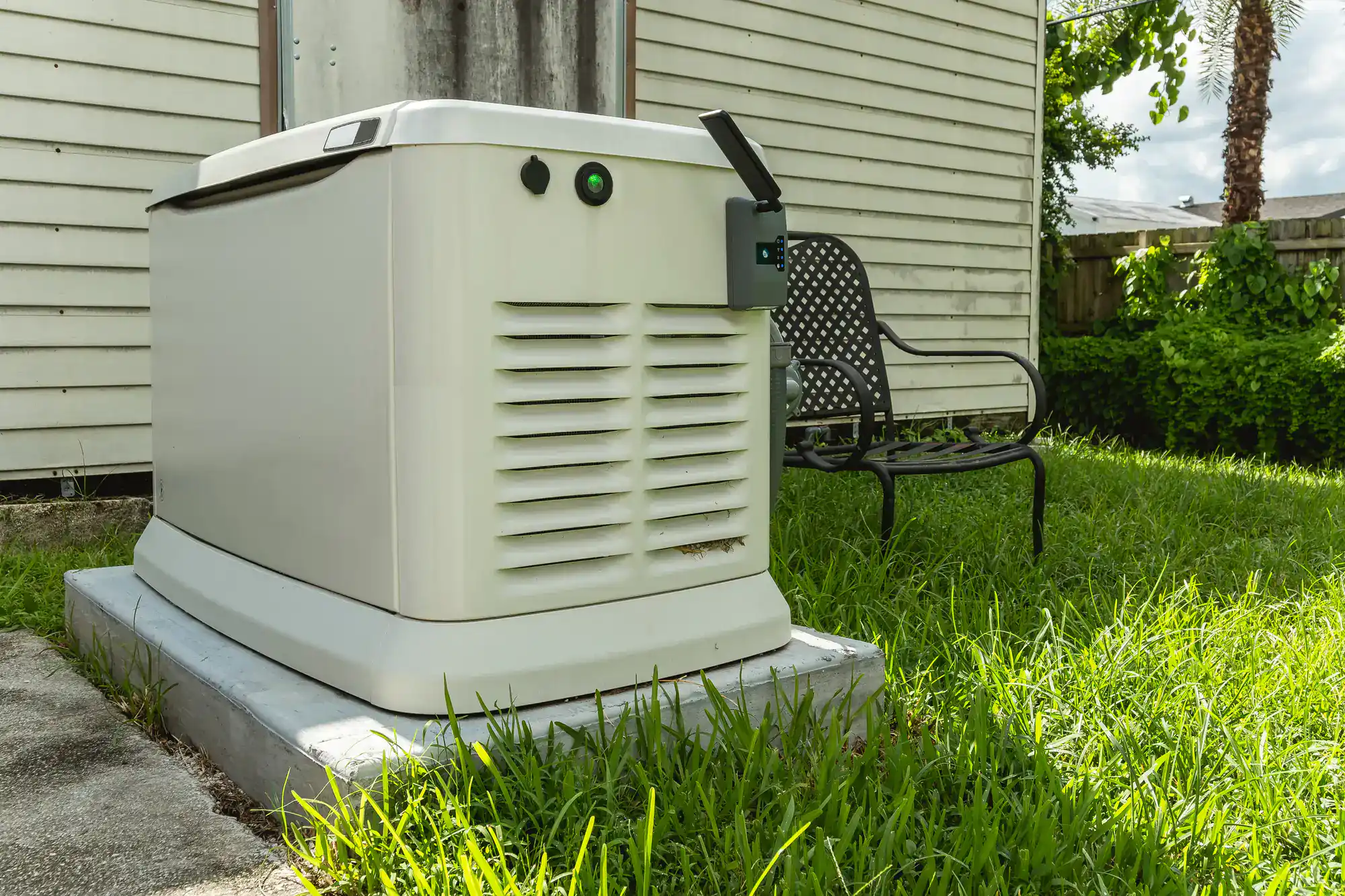
Once you approve the plan, we handle the permits and schedule the install. We set the generator on a concrete pad, connect it to your natural gas or propane line, and wire it into your electrical system with a transfer switch. That switch is what allows the generator to take over automatically when it detects an outage.
After everything’s connected, we test the system to make sure it fires up correctly and transitions power smoothly. We’ll show you how it works, what the maintenance schedule looks like, and answer any questions before we leave. The whole process typically takes one to two days depending on the complexity of your setup.
Ready to get started?
You’re getting a Generac standby generator sized correctly for your home, installed by certified generator installers in Tiverton, RI. That includes the transfer switch, electrical connections, fuel line hookup, and concrete pad if needed.
We pull the permits and coordinate inspections. We make sure everything meets Rhode Island electrical code and NFPA standards. If you need a certificate of insurance for your records, we provide that too.
Tiverton’s median home value is $357,700, and most homeowners here have invested in their properties. A generator protects that investment when storms roll through. It keeps your sump pump running so your basement doesn’t flood. It keeps your pipes from freezing if you lose heat in winter. And if you’re part of the 8% of Tiverton residents working from home, it keeps your income steady when the grid doesn’t.
This isn’t a luxury add-on. It’s a practical safeguard that pays for itself the first time a nor’easter takes out power for three days and you’re the only one on your street who doesn’t lose a week’s worth of groceries.
Most whole-house generator installations in Tiverton, RI fall between $8,000 and $18,000 depending on the size of the unit and the complexity of the install. That includes the generator, transfer switch, labor, permits, and any necessary electrical upgrades.
If you’re powering essential circuits only—like your fridge, furnace, and a few outlets—you’ll be on the lower end. If you want your entire home covered, including central air and multiple appliances, you’ll need a larger unit and the price goes up accordingly.
We price each job individually because every home is different. Your electrical panel, fuel source, and how far the generator sits from your house all affect the final cost. We’ll give you a clear estimate upfront so you know exactly what you’re paying for before any work starts.
Most home generator installations in Tiverton, RI take one to two days once permits are pulled and the unit is on site. The timeline depends on whether we need to upgrade your electrical panel, run a new gas line, or pour a concrete pad.
If your home is already set up with accessible gas and a modern panel, we can usually finish in a day. If we’re working with an older electrical system or need to coordinate with your propane provider, it might stretch into a second day.
Permitting and inspections add time on the front and back end, but we handle that process for you. From the day you approve the proposal to the day your generator is live and tested, you’re typically looking at two to three weeks depending on scheduling and weather.
It depends on the size of the generator and what you want to run. A whole-house generator can power everything—lights, appliances, HVAC, outlets—just like you’re on grid power. But that requires a larger unit, typically 20-24 kilowatts, and costs more upfront.
Most homeowners in Tiverton, RI choose to power essential circuits: refrigerator, furnace, well pump, sump pump, a few lights, and outlets for phones and medical equipment. That keeps your home functional without oversizing the system or burning through fuel unnecessarily.
We’ll walk through your electrical panel during the estimate and help you decide what makes sense. If you’ve got a home office and need reliable power for work, we’ll make sure that’s covered. If you’ve got medical equipment, that’s priority one. You’re not locked into one approach—we size the system based on what matters most to you.
You can use either. If your home in Tiverton, RI already has natural gas service, that’s usually the easiest and most cost-effective option. The generator ties directly into your existing gas line and you never have to worry about refueling.
If you’re on propane, that works too. You’ll need a large enough tank to supply the generator during extended outages—typically a 500-gallon or larger tank. We can coordinate with your propane provider to make sure everything’s sized correctly and the line is run safely.
Propane gives you flexibility if you’re in a more rural part of Tiverton where natural gas isn’t available. Either way, the generator runs automatically when the power drops, and you’re not hauling gas cans or dealing with manual startup like you would with a portable unit.
You should have your generator serviced once a year, ideally before storm season. Annual maintenance typically costs $150 to $300 and includes an oil change, filter replacement, battery check, and a full system test to make sure everything fires up correctly.
Generac generators are built to last 20 to 30 years with proper maintenance, but skipping service can shorten that lifespan and leave you with a system that doesn’t start when you actually need it. Most of the service calls we see for generators that won’t run come down to dead batteries or old oil.
We recommend keeping up with the annual service and running the generator through a test cycle every few months. The unit does a self-test automatically, but it’s worth checking in to make sure you’re not getting any error codes. If something does come up, catching it early is a lot cheaper than dealing with a failure during a three-day outage.
Yes. A professionally installed standby generator can increase your home’s value by up to 105% of the unit cost, and it’s a selling point for buyers who’ve dealt with outages before. In Tiverton, RI, where coastal storms are a regular occurrence, a generator signals that your home is prepared and protected.
Buyers don’t want to move into a house and immediately worry about losing power during the next nor’easter. If your home already has a generator, that’s one less thing they need to budget for, and it makes your property more attractive compared to similar homes without backup power.
Even if you’re not planning to sell anytime soon, the peace of mind and protection you get during outages makes it worth the investment. You’re not just adding value for a future buyer—you’re protecting your own property, food, comfort, and income right now.