
Generator Installation in Exeter, RI

Power That Kicks On Before You Notice It's Gone

Automatic backup power protects your home during Exeter’s frequent outages from ice storms and Nor’Easters, keeping your family safe and comfortable without lifting a finger.
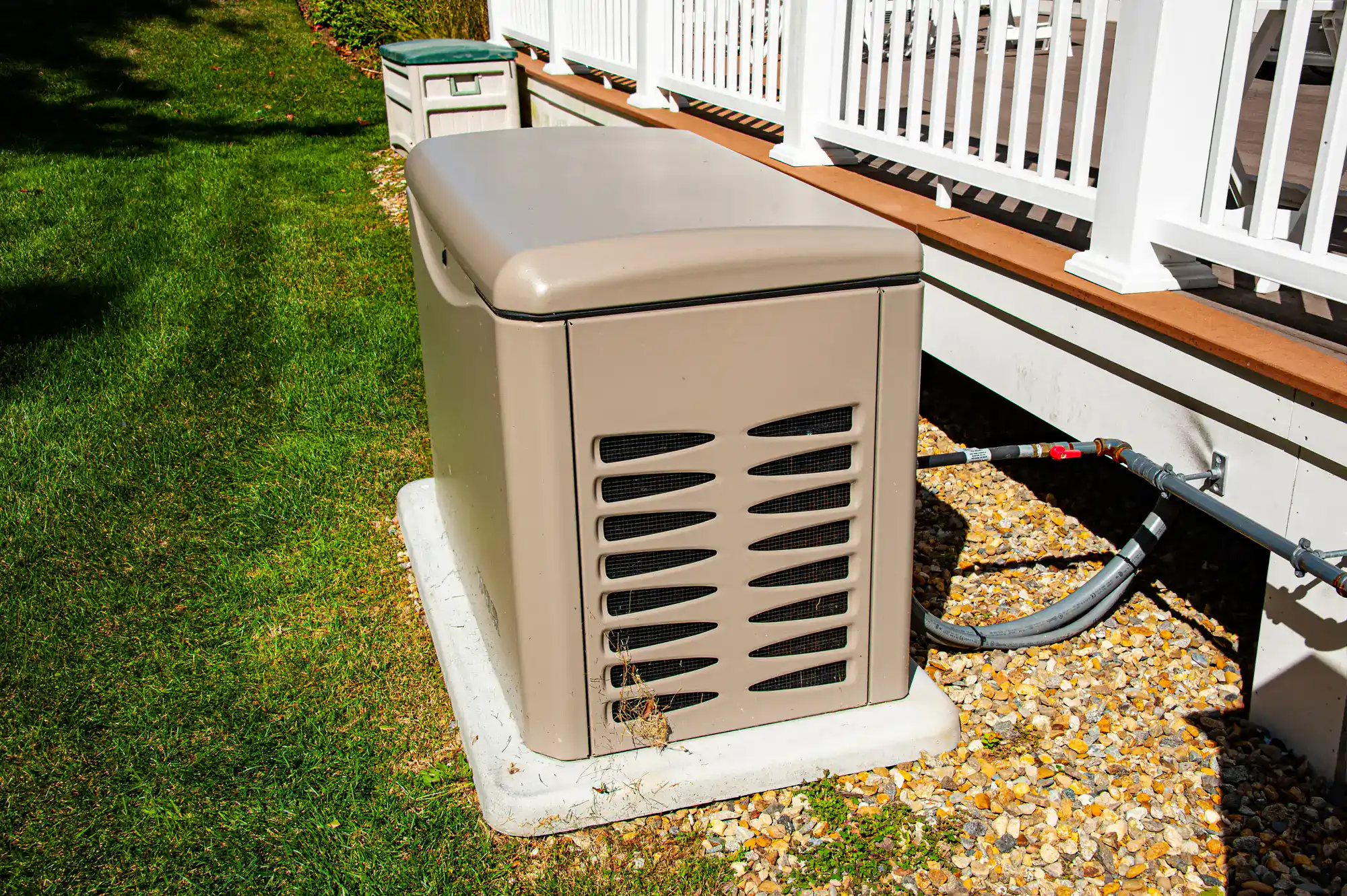
A beige standby generator sits on a concrete pad next to a house with white railing in RI, surrounded by grass and small rocks, with cables connected—installed by skilled electricians Providence County trusts.
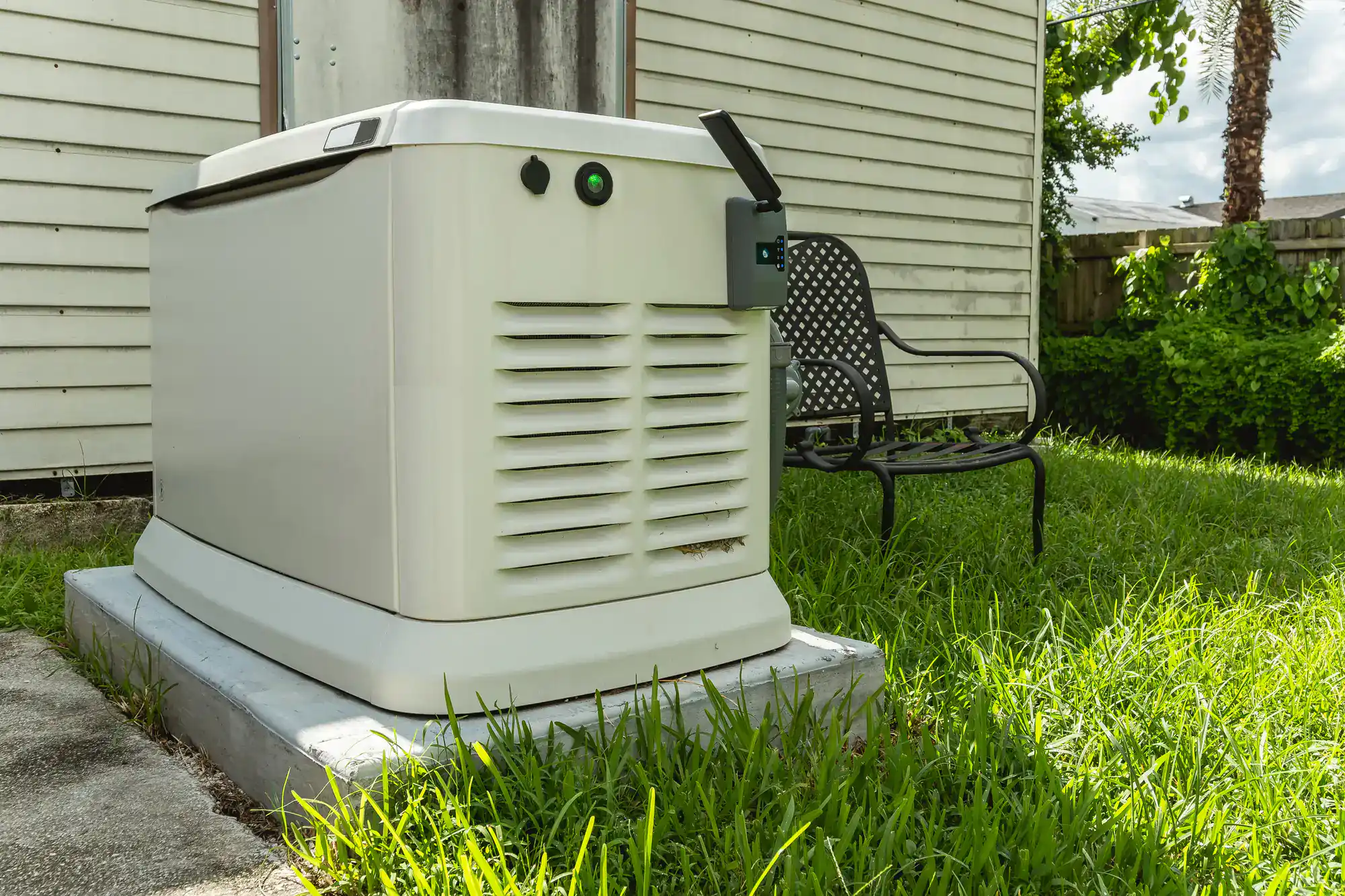
A standby home generator, installed by expert electricians in Providence County, RI, sits on a concrete pad next to a house with white siding, a metal outdoor bench, and green grass nearby.

Home Generator Install Exeter, RI

What Happens When the Lights Go Out

You’re not worrying about spoiled food in the fridge. Your sump pump keeps running, so your basement stays dry. Your heat stays on when temperatures drop below freezing, and your security system never goes dark.

That’s what a standby generator installation in Exeter, RI actually does. It removes the scrambling, the stress, and the safety risks that come with extended outages. Within seconds of losing grid power, your generator detects it, switches on, and keeps your essential systems running like nothing happened.

If someone in your home uses medical equipment that requires electricity, you already know what’s at stake during an outage. A home generator install in Exeter isn’t about convenience at that point—it’s about safety. The system operates automatically, so you’re covered whether you’re home or away when the power drops.

Certified Generator Installer Exeter, RI

Licensed Electricians Who Know Rhode Island Weather

We’ve been installing and servicing backup generators across Rhode Island for years. We’re licensed, insured, and members of the Rhode Island Electrical Inspectors IAEI Roger Williams Chapter, which means our work meets state electrical codes and NFPA standards.

Exeter sees its share of gusty winds, heavy snow, and ice that knock out power for hours or days. We’ve worked with homeowners throughout Washington County who need reliable backup systems that actually work when conditions get bad. Our installations are permanent, professionally wired, and built to handle Rhode Island’s weather patterns year after year.

You’ll work with the same licensed team from consultation through final inspection. We don’t subcontract electrical work, and we don’t cut corners on safety or code compliance.

A person in RI pours green engine oil from a bottle into a blue funnel connected to a yellow portable generator, often used by electricians in Providence County, placed on a concrete surface outdoors.

Standby Generator Installation Exeter, RI

Here's How Your Generator Installation Actually Happens

First, we assess your home’s electrical load to determine what size generator you need. That means looking at your panel, understanding which circuits matter most to you, and calculating the power requirements. You’re not paying for more generator than you need, and you’re not getting a system that’s undersized for your home.

Next, we handle the permitting and prep work. A standby generator installation in Exeter, RI requires a concrete pad or mounting platform, fuel line connection (natural gas or propane), and an automatic transfer switch that connects to your electrical panel. The transfer switch is what makes the system automatic—it monitors your utility power and switches to generator power within seconds of an outage.

Once the generator is set and wired, we test the system to make sure it starts correctly, transfers power smoothly, and shuts down properly when grid power returns. You’ll see exactly how it operates, and we’ll walk you through the basics of what to expect during an outage. After final inspection and approval, your home has permanent backup power that requires minimal interaction from you.

An electrician wearing a hard hat and gloves installs or repairs electrical wiring connected to a wall-mounted control box outdoors—a common task for electricians in Providence County, RI, as he handles cables secured in black tubing.

Explore More Services

About Lightning Electric

Generator Electrician Exeter, RI

What You're Actually Getting With This Installation

Your generator installation includes the generator unit itself, an automatic transfer switch, all necessary wiring and electrical connections, fuel line hookup, and a weatherproof outdoor installation on a concrete pad or platform. We pull permits, coordinate inspections, and make sure everything is code-compliant before we consider the job complete.

In Exeter, most homeowners choose natural gas generators because they tie into existing gas lines and don’t require fuel delivery or tank monitoring. If your home runs on propane, we’ll connect to your existing tank or help coordinate a larger tank if needed for extended runtime. Either way, you’re not dealing with gasoline storage or refueling during an outage.

The automatic transfer switch is a critical piece that many people don’t think about until they need it. It’s installed between your utility meter and your main electrical panel, and it constantly monitors for power loss. When it detects an outage, it signals the generator to start and shifts your home’s power source from the grid to the generator. When utility power comes back, it switches everything back and shuts the generator down. You don’t flip switches or start engines—it all happens automatically, even if you’re not home.

A white standby home generator sits on a concrete pad in a grassy backyard, surrounded by lush green trees and bushes—installed by expert electricians in Providence County, RI.

How much does a home generator installation cost in Exeter, RI?

A complete standby generator installation in Exeter typically ranges from $13,500 to $16,500 depending on the size of the generator, the complexity of your electrical panel, and whether you need significant fuel line work. That includes the generator unit, automatic transfer switch, installation labor, permits, and final inspection.

Smaller systems that cover essential circuits—like your refrigerator, heating system, a few lights, and critical outlets—fall on the lower end. Whole-house systems that power your entire electrical panel cost more because they require larger generators and more robust transfer switches. If your home needs an electrical panel upgrade to handle the transfer switch safely, that adds to the total cost but it’s necessary for code compliance and safe operation.

We price each job individually because every home is different. Your electrical setup, fuel source, and what you want powered during an outage all affect the final number. We’ll give you a clear estimate after assessing your property, and we don’t surprise you with hidden fees once the work starts.

Most generator installations in Exeter take one to two days of actual work once permits are approved and equipment arrives. The timeline from your initial consultation to a fully operational system usually runs two to four weeks, depending on permit processing times and generator availability.

Here’s the realistic breakdown: permitting with the town of Exeter typically takes one to two weeks. Once approved, we schedule the installation, which involves setting the concrete pad (if needed), running fuel lines, installing the transfer switch, mounting and wiring the generator, and testing the complete system. The physical installation is usually completed in a day for straightforward jobs, or two days if your electrical panel needs upgrades or if fuel line routing is complex.

After installation, a local electrical inspector needs to approve the work before you can use the system. We coordinate that inspection and handle any follow-up the inspector requires. Once you have approval, your generator is live and ready to protect your home during the next outage.

That depends on the size of the generator you install and what you want to run. A whole-house generator can power everything in your home, but it costs more and requires a larger unit. Most Exeter homeowners choose a system that covers essential circuits—heating and cooling, refrigerators and freezers, well pumps, sump pumps, some lighting, and a few outlets for medical devices or electronics.

We calculate your home’s electrical load during the consultation by looking at your panel and understanding which systems matter most to you. If you want your entire house powered, including things like electric dryers, ranges, and central air conditioning, you’ll need a generator in the 20-24 kilowatt range. If you’re focused on essentials and can live without a few convenience items during an outage, a 12-16 kilowatt generator usually handles it.

The transfer switch determines which circuits receive generator power. We can set it up to power specific circuits you choose, or we can install a switch that powers your entire panel. Either way, you’ll know exactly what stays on during an outage before we start the installation, so there are no surprises when you actually need backup power.

Your generator needs an annual maintenance visit to keep it reliable. That service includes an oil and filter change, air filter replacement, spark plug inspection or replacement, battery check, and a full system test to make sure it starts correctly and produces clean power.

Standby generators in Exeter sit outside year-round and need to stay ready for the next ice storm or Nor’Easter. Regular maintenance catches small issues before they become big problems during an outage. We’ve seen generators fail to start during storms because of dead batteries, old oil, or clogged air filters—all things that annual service prevents.

Between professional visits, your generator will self-test weekly. You’ll hear it run for about 10-15 minutes, usually at the same time each week. That’s normal and necessary—it keeps the engine lubricated, charges the battery, and confirms the system is ready. If something goes wrong during a self-test, the generator’s monitoring system will alert you so you can call for service before you actually need backup power.

Yes, you need both an electrical permit and potentially a building permit from the town of Exeter for a standby generator installation. Rhode Island requires licensed electricians to pull permits for any work involving automatic transfer switches and permanent electrical connections, and local inspectors need to approve the installation before it goes live.

We handle the permit process as part of your installation. That includes submitting plans to the town, coordinating inspection schedules, and making sure the installation meets state electrical code and NFPA standards. You don’t need to visit town hall or deal with paperwork—we take care of it.

Skipping permits isn’t worth the risk. Unpermitted generator work can cause problems with your homeowner’s insurance if you ever file a claim related to electrical issues or fire. It also creates headaches if you sell your home, because buyers and their inspectors will ask for permit records on major electrical work. Doing it right the first time with proper permits protects your investment and keeps you compliant with local regulations.

Rhode Island law requires a licensed electrician to install the automatic transfer switch and make the electrical connections between your generator, transfer switch, and main panel. You legally cannot do that work yourself, and your local inspector won’t approve a DIY installation even if you pull your own permit.

Generator installation isn’t just about setting a unit on a pad and plugging it in. The transfer switch installation involves working inside your main electrical panel with live utility power, making load calculations to ensure safe operation, and wiring a system that automatically manages power transfer between two sources. Mistakes can damage your home’s electrical system, create fire hazards, or cause the generator to backfeed into utility lines—which is dangerous for utility workers and illegal.

Hiring a certified generator installer in Exeter means the work is done safely, meets code requirements, passes inspection, and is covered by proper insurance if anything goes wrong. You’ll also have a licensed electrician who knows your system if you ever need service or repairs. The cost difference between DIY and professional installation isn’t worth the safety risks and legal complications that come with unpermitted electrical work.

Other Services we provide in Exeter