
For over 30 years, we’ve powered Rhode Island with expert electrical services delivered with a personal touch. Discover our story and commitment to quality.
Contact Info
- List Item
For over 30 years, we’ve powered Rhode Island with expert electrical services delivered with a personal touch. Discover our story and commitment to quality.
Contact Info
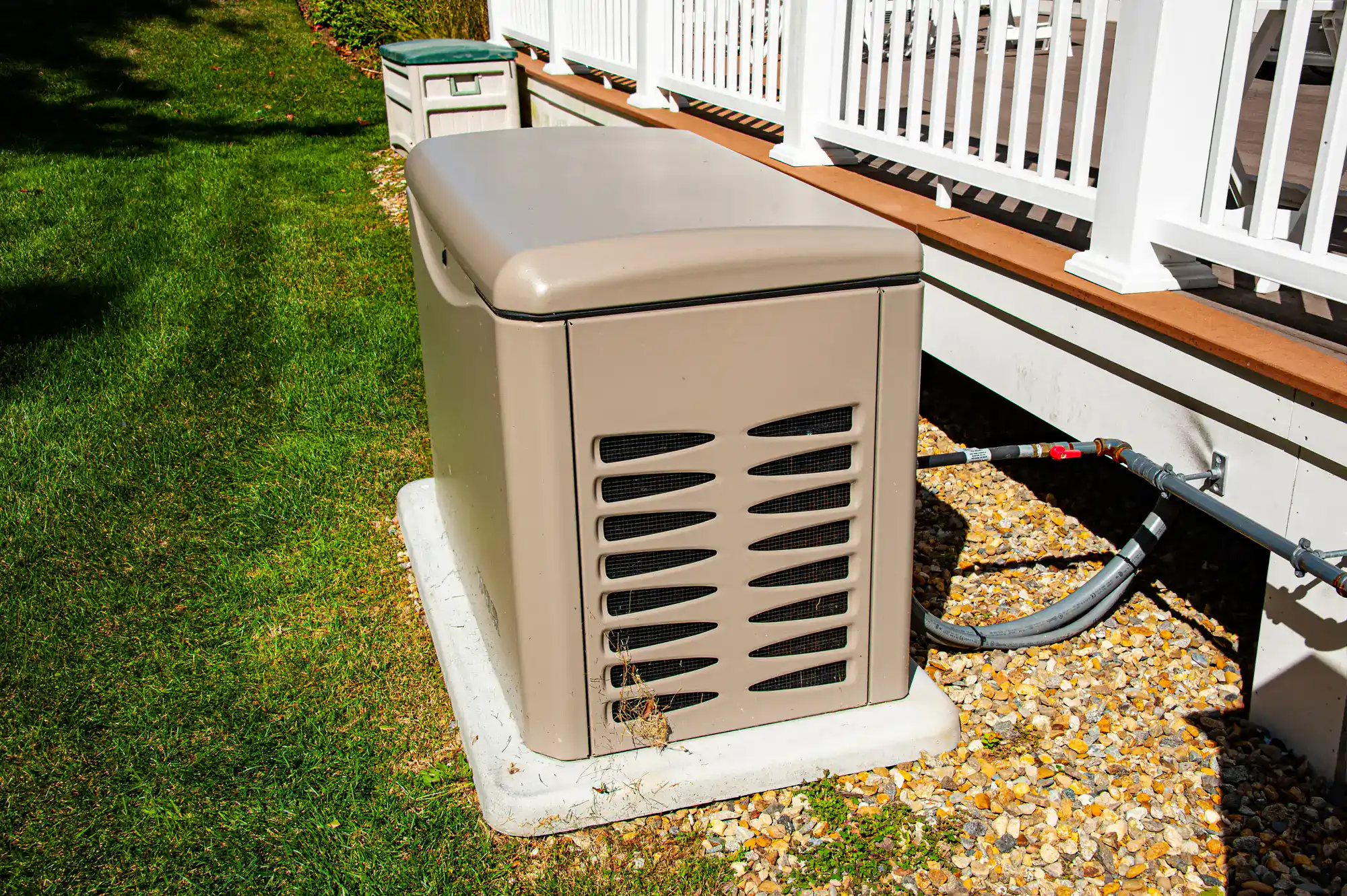
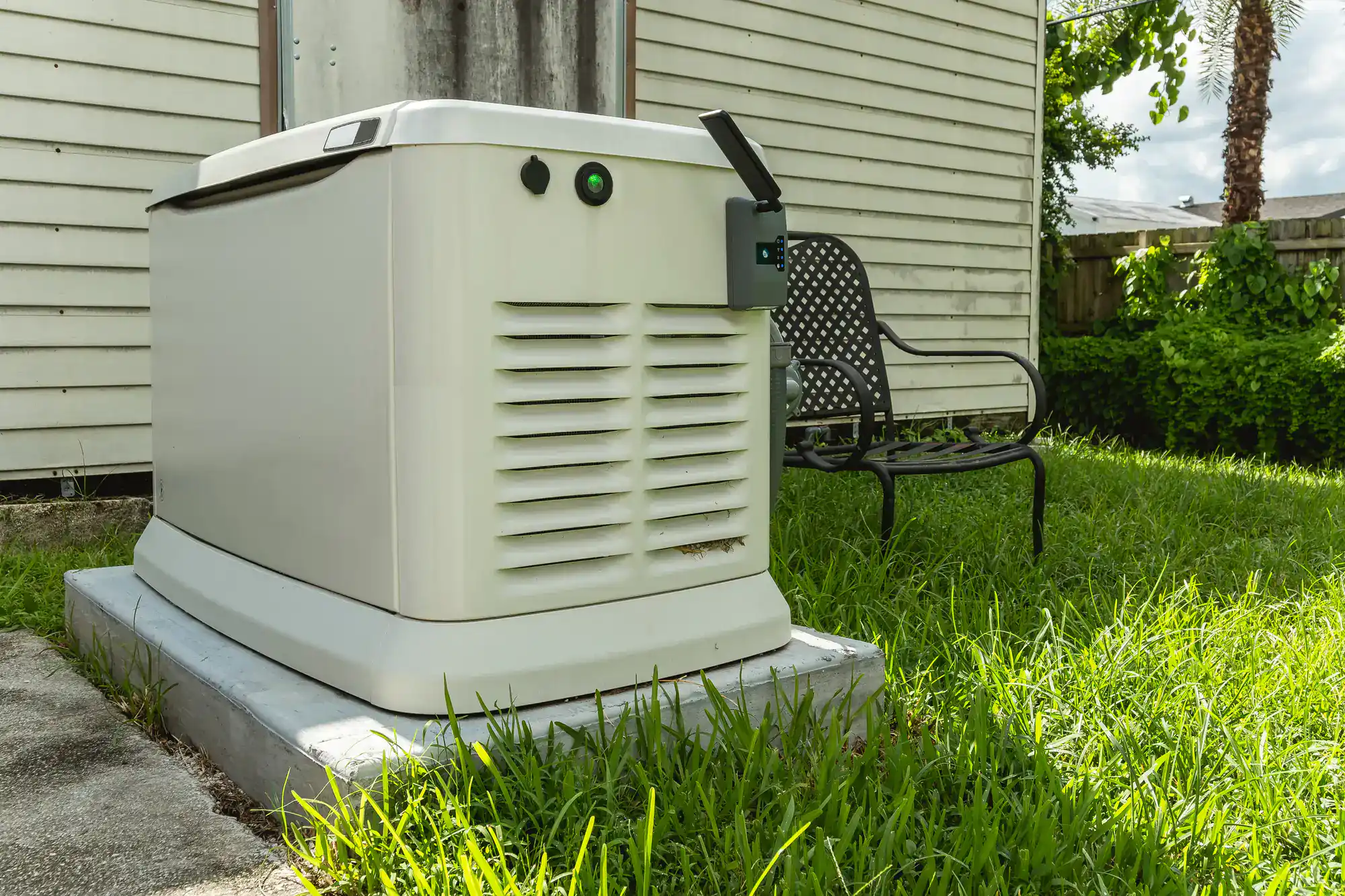
You’re not sitting in the dark wondering when the utility company will fix things. You’re not throwing out a fridge full of food or worrying about frozen pipes. Your home runs like nothing happened.
That’s what a properly installed standby generator does. It detects the outage within seconds, switches over automatically, and keeps your essential systems running until power comes back. No extension cords. No manual startup. No scrambling.
East Providence sees its share of winter storms, hurricanes, and nor’easters—and Rhode Island ranks fifth nationally for percentage of customers affected by outages. When tens of thousands of homes go dark, yours doesn’t have to be one of them. You get to keep working, stay warm, and maintain your routine while everyone else is dealing with the fallout.
We’ve been handling electrical projects across Rhode Island for over 30 years. We’re licensed master electricians, Generac certified, and we’ve completed more than 1,500 commercial projects—but we treat every residential job with the same attention to detail.
We know East Providence. We know how older homes here—many built before 1960—handle electrical loads. We know what Rhode Island’s coastal weather does to equipment. And we know what it takes to get permits approved and inspections passed without delays.
You’re not getting a crew that learned about generators last month. You’re getting electricians who’ve been doing this long enough to spot problems before they happen and install systems that actually work when you need them.

First, we come out to look at your property and electrical panel. We’ll figure out what size generator you actually need based on what you want to keep running—not just sell you the biggest unit. We’ll also check your fuel source, whether that’s natural gas or propane, and confirm where the generator needs to sit to meet code.
Once you approve the plan, we handle the permit paperwork with East Providence. Then we schedule the installation. We pour the concrete pad, set the generator, connect it to your fuel line, and wire in the automatic transfer switch. That switch is what makes everything seamless—it monitors your utility power and switches to generator power the moment it detects an outage.
After everything’s installed, we test the system to make sure it fires up correctly and transitions smoothly. Then we walk you through how it works and what to expect. The city inspector comes out to sign off, and you’re done. From that point on, your home has backup power that runs itself.

Ready to get started?
You get the generator unit itself—typically a Generac, since we’re factory-certified dealers. You get the automatic transfer switch that makes the whole system work without you lifting a finger. You get the concrete pad installation, all the electrical connections, and the fuel line hookup to your existing natural gas or propane supply.
We also handle every permit and inspection required by East Providence and the state of Rhode Island. That includes coordinating with the utility company if they need to do anything on their end. You’re not chasing down paperwork or waiting on approvals—we manage that process.
Rhode Island has some of the strictest electrical codes in the country, and coastal areas like East Providence require corrosion-resistant equipment that can handle salt air. We spec the right components from the start so your system lasts. With electricity rates at 31.30¢ per kWh—second highest in the nation—the last thing you want is equipment that fails during an outage and leaves you with spoiled food, property damage, and an emergency service call on top of it.

Most residential generator installations take one to two days of actual work. The timeline depends on whether we’re working with natural gas or propane, how far the generator sits from your electrical panel, and whether we need to upgrade any existing wiring.
The bigger variable is permitting. East Providence requires permits for generator installations, and processing times can vary depending on how busy the building department is. We submit everything and stay on top of approvals, but it’s not unusual for the permit process to add a week or two to the overall timeline.
Once we have permits in hand and the equipment arrives, we schedule the install. We’re usually done and tested within a day or two, then the city inspector comes out for final sign-off. From your first call to a fully operational system, you’re typically looking at three to four weeks total—sometimes faster if everything lines up.
It depends on what you want to run during an outage. If you only care about keeping the heat, fridge, and a few lights on, you might only need a 10-12 kW unit. If you want whole-home coverage including central air, multiple appliances, and every outlet working normally, you’re looking at 20-24 kW or larger.
We don’t guess. We come out and look at your electrical panel, add up the load from the circuits you want backed up, and factor in startup surge for things like air conditioners and well pumps. That gives us the actual capacity you need. Undersizing means some things won’t run when the power’s out. Oversizing means you’re spending money on capacity you’ll never use.
Most homes in East Providence—especially the older single-family houses that make up half the housing stock here—do fine with a mid-range unit in the 16-20 kW range. But every house is different, and we size it based on your specific setup and priorities, not a generic formula.
Yes. East Providence requires a permit for standby generator installations because you’re adding a permanent electrical system and often working with gas lines. The permit process involves submitting plans to the building department, getting approval, completing the installation, and then having a city inspector come out to verify everything meets code.
Rhode Island also requires that all electrical work be done by a licensed electrician—you can’t DIY this or hire an unlicensed contractor. The state takes electrical code seriously, and inspectors will fail installations that don’t meet standards. That’s why working with a licensed master electrician matters. We know what inspectors look for, we pull permits as part of the job, and we don’t leave until everything passes.
Skipping permits isn’t worth it. If you ever sell your home, unpermitted work can kill a deal or force you to rip everything out and reinstall it properly. And if something goes wrong with an unpermitted installation, your homeowner’s insurance might not cover the damage.
It can, but it depends on the size of the generator and how much power your house pulls at peak usage. A whole-home generator is sized to handle all your circuits at once—HVAC, kitchen appliances, water heater, lights, outlets, everything. For most homes, that means a 20-24 kW unit or larger.
If you don’t want to pay for that much capacity, you can install a smaller generator and use a load-shedding transfer switch. That setup prioritizes critical circuits—like your furnace, fridge, and a few outlets—and sheds non-essential loads like the dryer or electric range. You’ll have power where it matters most, but you might need to be mindful about running multiple high-draw appliances at the same time.
We’ll walk through your priorities during the site visit. Some people want every light and outlet working. Others just want to keep the heat on and avoid frozen pipes. There’s no wrong answer—it’s about matching the system to what you actually need and what makes sense for your budget.
Most residential generator installations in East Providence run between $13,500 and $16,500 fully installed. That includes the generator unit, automatic transfer switch, concrete pad, electrical and fuel connections, permits, and final inspection. Larger whole-home systems or jobs that require significant electrical panel upgrades can push higher.
The price depends on a few things: generator size, how far we need to run electrical and gas lines, whether your panel needs an upgrade to handle the transfer switch, and site-specific factors like accessibility and ground conditions. If we’re installing in the middle of winter and the ground’s frozen, that adds time and cost. If your gas meter is on the opposite side of the house from where the generator needs to go, that’s more trenching and line work.
We give you a fixed price after the site visit so there are no surprises. You’ll know exactly what you’re paying before we start. And while generator installation isn’t cheap, consider what you’re avoiding: spoiled food, frozen pipes, hotel bills, and the stress of sitting in the dark every time a storm rolls through Rhode Island. For most homeowners in East Providence, the peace of mind alone justifies the cost.
Standby generators need annual maintenance to stay reliable. That includes changing the oil and filter, replacing the air filter, checking the battery, inspecting belts and hoses, and running the unit under load to make sure it’s ready when you need it. Most manufacturers recommend service once a year, or every 200 hours of runtime—whichever comes first.
Generac generators run a self-test every week for about 15 minutes. That keeps the engine lubricated and the battery charged, but it’s not a substitute for actual maintenance. Skipping service is how you end up with a generator that won’t start during an outage, which defeats the entire purpose of having one.
We offer maintenance plans that cover annual service. We come out, handle everything, and make sure your system’s ready for the next storm season. You can also do it yourself if you’re comfortable with small engine maintenance, but most homeowners would rather have a licensed electrician handle it and know it’s done right. Either way, don’t skip it—regular maintenance is what keeps a generator running for 20+ years instead of failing after five.