For over 30 years, we’ve powered Rhode Island with expert electrical services delivered with a personal touch. Discover our story and commitment to quality.
Contact Info
Rhode Island ranks 5th nationwide for power outage frequency. Central Falls sees its share of multi-day blackouts during winter storms and hurricanes. You know the drill—food spoils, pipes freeze, basements flood, and your family sits in the dark waiting for the utility company.
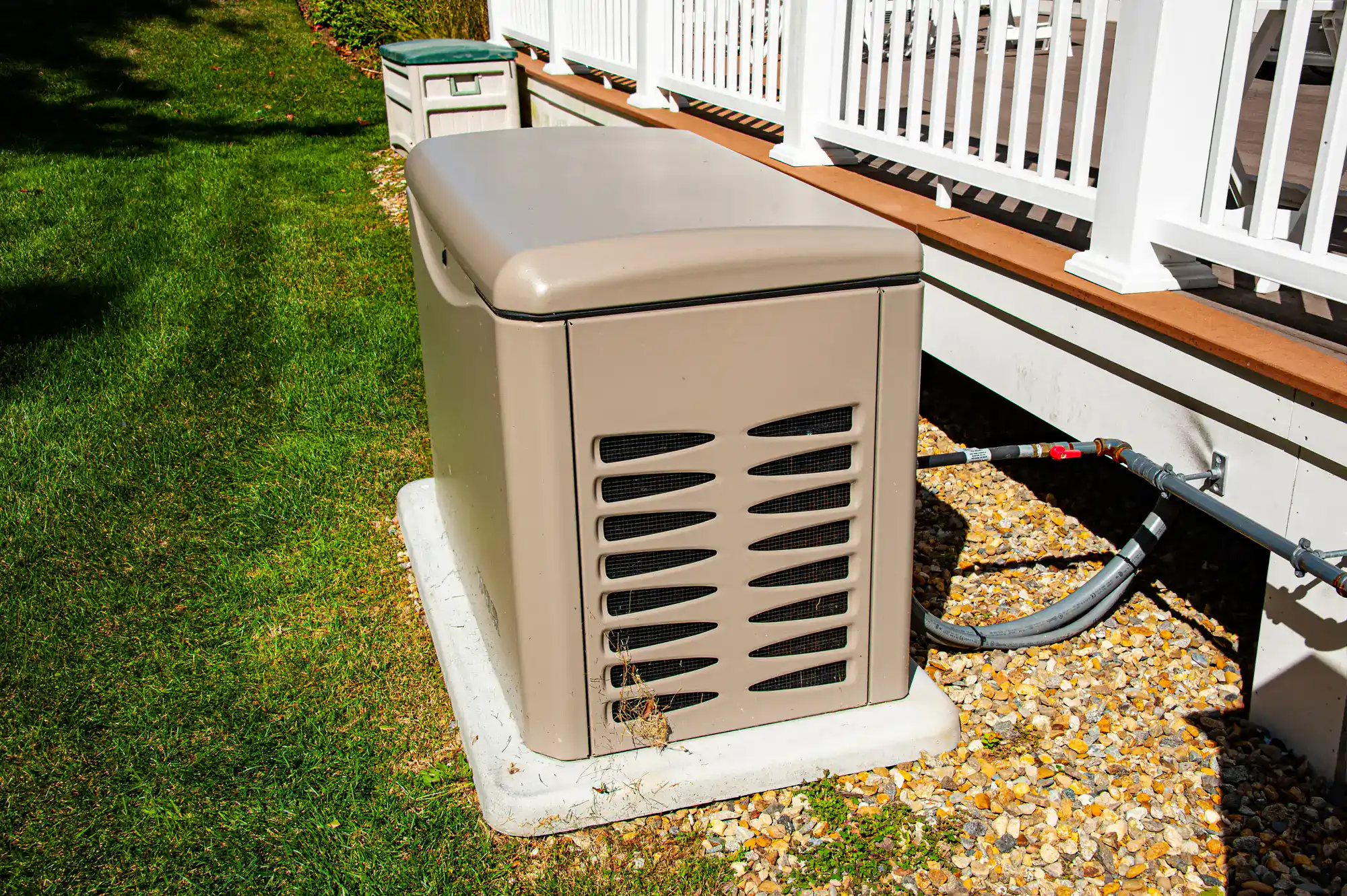
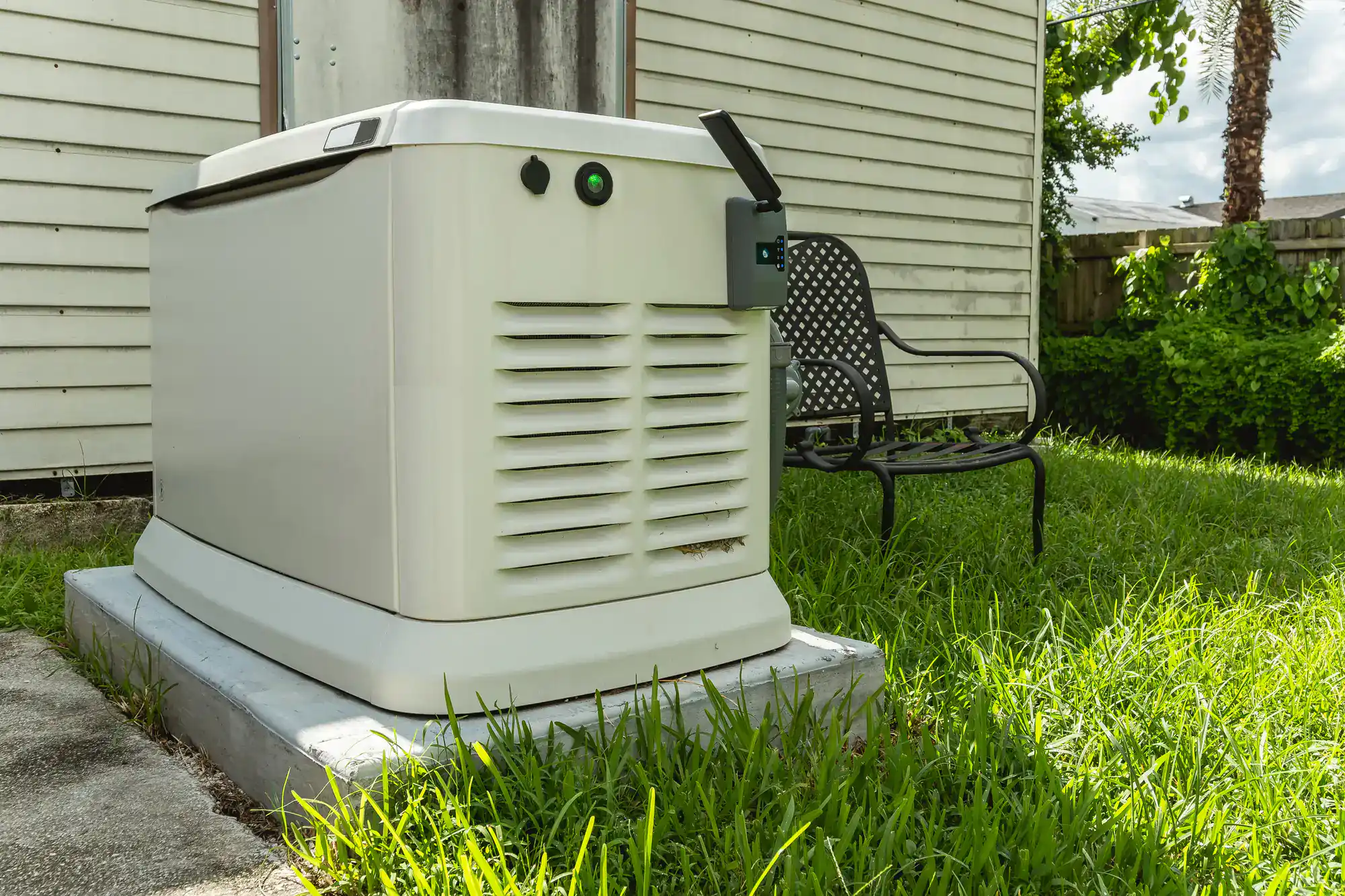
A standby generator installation in Central Falls changes that. The power cuts out, your generator kicks on automatically within seconds, and everything that matters keeps running. Heat stays on. Sump pump works. Refrigerator hums along. You’re not scrambling for flashlights or wondering when the lights come back.
This isn’t about convenience. It’s about protecting your property from thousands in damage and keeping your family safe when weather turns nasty. Central Falls winters are brutal, and summer storms knock out power for days. Your generator doesn’t care—it just works.
We’ve handled electrical work across Rhode Island for over 30 years. We’re Master Electricians, fully licensed and insured, and we’re an authorized Generac dealer. That means we supply, install, and service the generators that actually hold up in New England weather.
We’ve seen what happens when storms roll through Central Falls. We’ve repaired the damage from frozen pipes and flooded basements after extended outages. That’s why we install generators the right way—compliant with local codes, connected properly to your electrical system, and built to last 20-30 years with maintenance.
You’re not getting a sales pitch. You’re getting electricians who’ve been doing this work in your backyard for three decades and know exactly what Central Falls homes need when the power goes out.
First, we assess your home’s electrical system and determine what you need powered during an outage. Most people want the essentials—heating, refrigeration, sump pump, lights. Some want the whole house covered. Your call.
Next, we handle permitting and coordinate with local utilities if needed. The generator itself sits outside like your AC unit and runs on natural gas or propane. We install a transfer switch that monitors your utility power and signals the generator to start automatically when it detects an outage.
Once everything’s wired and tested, we walk you through how it works. But honestly, you won’t need to do much. The system runs itself. When power drops, the generator starts. When utility power returns, it shuts off. You’ll hear it kick on during its weekly self-test, and that’s about it.
We’re not leaving until you understand your system and it’s running exactly how it should. Then we’re available for maintenance and service whenever you need us.
Ready to get started?
You’re getting a complete home generator installation in Central Falls from electricians who are certified to do this work. That includes the generator unit itself, transfer switch installation, all electrical connections, gas line work if needed, concrete pad placement, and final testing.
We handle permits and inspections. Everything gets installed to code—NFPA standards, local electrical requirements, manufacturer specs. You get a Certificate of Insurance before we start work, and you’re covered if anything goes sideways.
Central Falls homes face specific challenges. Older electrical panels sometimes need upgrades before a generator can be safely connected. Tight lot sizes mean careful placement. We’ve installed generators in every type of Rhode Island property and know how to work around these issues.
For commercial properties in Central Falls, we’ve completed over 1,500 commercial projects. Restaurants, medical offices, retail spaces—anywhere that can’t afford to lose power. The process is similar but scaled for higher electrical loads and business continuity requirements.
Generator installation in Central Falls typically runs between $6,000 and $16,500 depending on the size of the unit and complexity of your electrical setup. A smaller generator that powers essential circuits costs less than a whole-house system.
The price includes the generator, transfer switch, installation labor, electrical work, permits, and startup. If your electrical panel needs upgrading or you need gas line work, that adds to the cost. Older Central Falls homes sometimes need panel upgrades to handle the generator load safely.
You’re not just buying equipment. You’re buying protection against property damage that costs way more than the generator. One flooded basement or set of burst pipes from a winter outage can run you $10,000+ in repairs. The generator pays for itself the first time it prevents that damage.
Most residential generator installations in Central Falls take one to three days once permits are approved. Day one involves site prep, pouring the concrete pad, and positioning the generator. Day two covers electrical connections, transfer switch installation, and gas line hookup if needed.
Permitting adds time before installation starts—usually one to two weeks depending on the city’s schedule. We handle all permit applications and coordinate inspections so you don’t have to deal with that process.
If your home needs electrical panel upgrades or significant gas line work, add another day or two. We’ll give you an accurate timeline after assessing your property. Central Falls homes vary widely in age and electrical setup, so every installation is a bit different.
It depends on the generator size you choose. Whole-house generators can power everything—HVAC, appliances, outlets, lights. Smaller standby generators cover essential circuits like heating, refrigerator, sump pump, and some lights and outlets.
Most Central Falls homeowners go with a mid-size unit that covers essentials plus a few extras. You don’t need to power everything during an outage. You need heat in winter, cold food storage, water pump operation, and enough lighting to function normally.
We’ll calculate your home’s electrical load during the assessment and recommend the right size generator. Oversizing wastes money on equipment and fuel. Undersizing leaves you without critical systems. We size it correctly based on what you actually need running when the grid goes down.
Yes, you need permits for generator installation in Central Falls. Electrical work requires a permit, and gas line work does too if you’re connecting to natural gas. Some installations also need building permits depending on generator placement and local zoning.
We handle all permit applications as part of the installation process. You don’t file paperwork or coordinate inspections—that’s on us. We know Central Falls requirements and have working relationships with local inspectors.
Skipping permits is a bad idea. Your insurance might not cover damage from unpermitted work, and you’ll have problems selling your home later. Plus, improperly installed generators are dangerous. Code requirements exist for good reasons, and we follow them on every installation.
Your standby generator needs professional maintenance once a year. We check oil levels, replace filters, test the battery, inspect electrical connections, and run the system under load to make sure everything works correctly.
The generator runs a self-test every week for a few minutes. You’ll hear it kick on, run briefly, then shut off. That’s normal and keeps the engine components lubricated. You don’t need to do anything during these tests.
Annual maintenance keeps your generator reliable for 20-30 years. Skip maintenance and you’re looking at breakdowns during the outages when you actually need it. We offer service plans for Central Falls customers—we show up every year, handle the maintenance, and make sure your system is ready before storm season hits.
Legally, no. Generator installation in Rhode Island requires a licensed electrician. You’re working with high-voltage electrical systems, transfer switches, and potentially gas lines. This isn’t DIY territory—it’s dangerous and illegal without proper licensing.
Even if you’re handy, you can’t pull permits for electrical work without a license. Your insurance won’t cover damage from unpermitted installations, and you’ll face serious liability if something goes wrong. Central Falls requires licensed, insured electricians for this work.
The bigger issue is safety. Incorrectly wired generators can backfeed power into utility lines and electrocute line workers. Improper gas connections cause explosions. Transfer switches installed wrong can destroy your electrical panel or start fires. You’re paying for expertise that keeps your family and property safe, not just labor.