Electrical Company in Central Falls, RI

Electrical Work That Actually Lasts

You need electrical work done right the first time, with no callbacks, no code violations, and no safety risks hanging over your head.
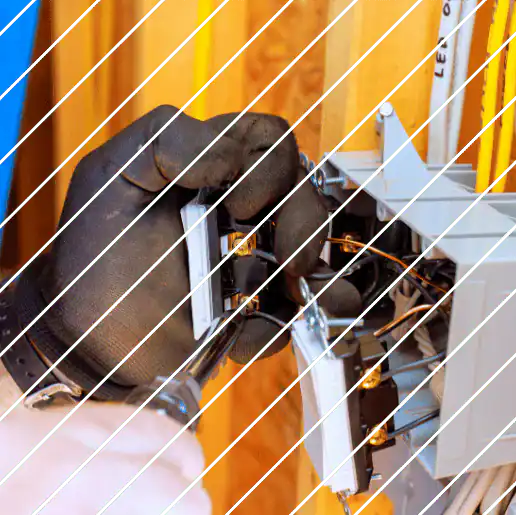
A gloved hand is wiring electrical outlets into a junction box on a wooden wall, with exposed wires and tools visible—typical work for electricians in Providence County, RI.
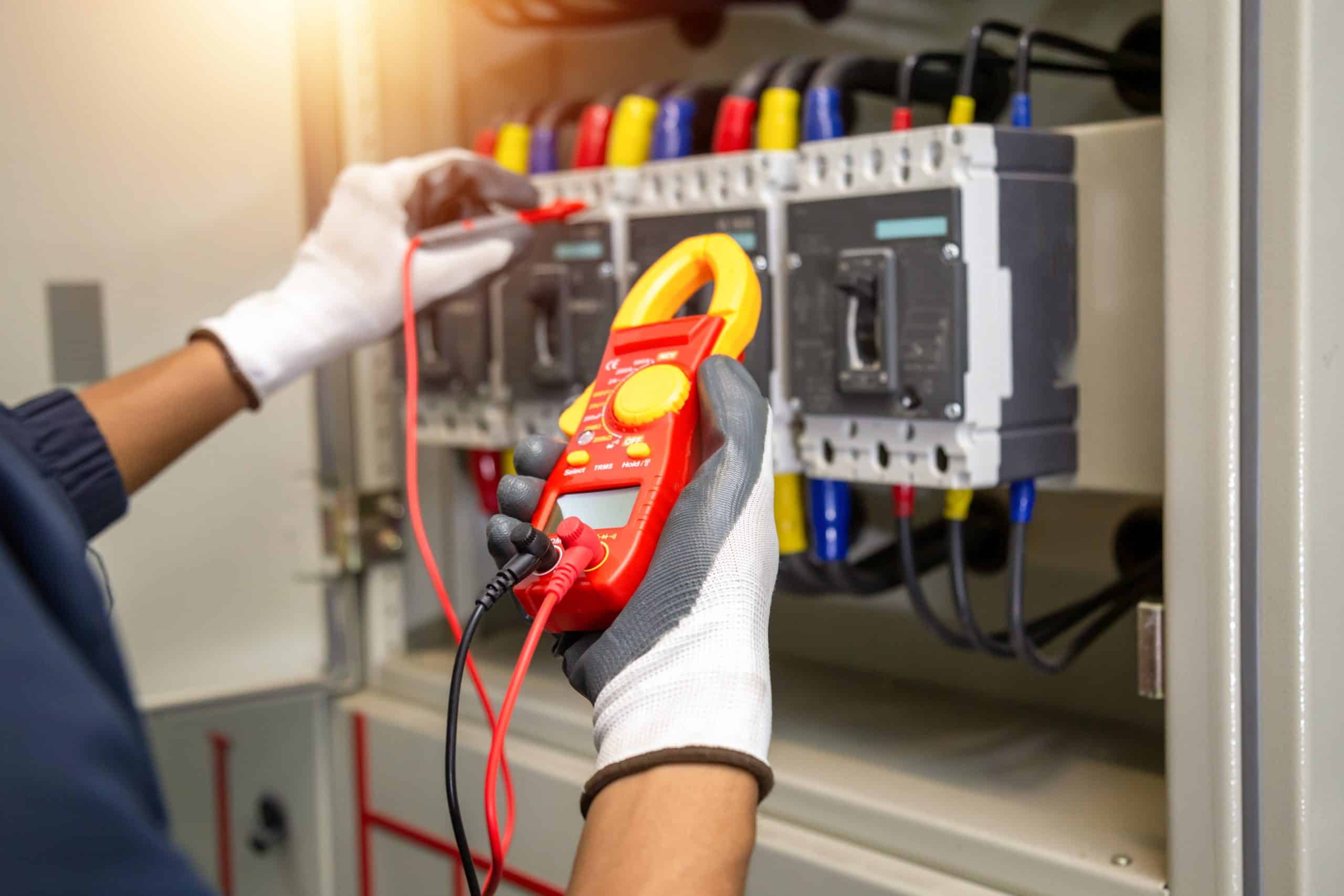
A person wearing white gloves uses a digital clamp multimeter to test electrical wires inside an industrial control panel—an essential task for electricians in Providence County, RI. Various colored wires and switches are visible.

Licensed Electrical Contractor Central Falls

Your System Works—And Keeps Working

Here’s what matters: your lights stay on, your panel doesn’t trip every time you run the dryer, and you’re not wondering if something’s going to catch fire behind the walls. That’s the baseline.

Beyond that, you want someone who shows up when they say they will, explains what’s actually wrong without upselling you, and leaves your property cleaner than they found it. You want the work to pass inspection without drama. And if something does go wrong down the line, you want to know the company will still be around to make it right.

That’s what working with a licensed electrical contractor in Central Falls, RI should look like. No surprises. No shortcuts. Just solid electrical work backed by people who’ve been doing this long enough to know what actually matters.

Residential and Commercial Electrical Company

We've Been Here Over 30 Years

We’ve been serving Central Falls, RI since before electricity rates in Rhode Island jumped 22.6% in a single year. We’ve seen the infrastructure age, watched storms knock out power across the state, and helped homeowners and business owners deal with the fallout.

We’re a residential and commercial electrical company that’s completed over 1,500 commercial projects and countless residential jobs. We’re members of the Rhode Island Electrical Inspectors IAEI Roger Williams Chapter and follow NFPA’s Certification Code of Ethics. Fully licensed and insured, with certificates available on request.

Central Falls is one of the most densely populated areas in the state, and the electrical systems here reflect that—older homes, tight spaces, and infrastructure that’s been patched together over decades. We know how to work in these conditions because we’ve been doing it here for three decades.

A technician in blue overalls and a yellow shirt uses HVAC gauges to check an outdoor air conditioning unit—much like skilled electricians in Providence County, RI—tools visible in his belt.

Local Electrical Contractor Process

Here's How We Handle Your Job

First, you call or message us with what’s going on. We ask a few questions to understand the scope—whether it’s an emergency repair, a panel upgrade, generator installation, or new lighting. If it’s urgent, we move fast. If it’s planned work, we schedule a time that works for you.

When we arrive, we assess the situation in person. No guessing over the phone. We explain what needs to happen, why it needs to happen, and what it’s going to cost. Pricing is handled job by job because every electrical situation is different, and we’d rather give you an accurate number than a vague estimate.

Once you approve the work, we get it done. We pull permits when required, follow current code, and make sure everything passes inspection. We clean up after ourselves. And if you have questions during or after the job, we’re available to answer them. That’s the process—straightforward, transparent, and focused on getting your electrical system working the way it should.

An electrician wearing gloves uses testing tools to check wiring and circuits inside an open electrical control panel, a common task for electricians in Providence County, RI.

Explore More Services

About Lightning Electric

Top Rated Electrical Company Services

What We Actually Do in Central Falls

We handle residential electrical work—panel upgrades, circuit installations, lighting, outlets, troubleshooting, code corrections, and safety inspections. If your breaker keeps tripping or your house still has old knob-and-tube wiring, we can fix that.

On the commercial side, we’ve done everything from small office build-outs to large-scale electrical installations for businesses across Rhode Island. We understand downtime costs you money, so we work efficiently and coordinate around your operating hours when possible.

Generator services are a big part of what we do here. With frequent outages across the state—currently over 3,700 customers without power—backup power isn’t optional for a lot of people. We install, repair, and maintain generators for homes and businesses. When a storm rolls through Central Falls, you want to know your generator will actually start.

We also do energy-efficient LED lighting upgrades. With electricity prices in Rhode Island among the highest in the country, cutting your usage makes a real difference. LED installations pay for themselves faster here than almost anywhere else, and we can design systems that improve lighting quality while dropping your monthly bill.

A worker in a high-visibility jacket and hard hat operates a control panel in an industrial facility, using a touchscreen display and holding a tablet—just like experienced electricians Providence County, RI rely on for advanced operations.

How do I know if my electrical panel needs to be upgraded?

If your breakers trip frequently, you’re adding new appliances or EV chargers, or your panel is over 25 years old, it’s worth having someone take a look. Panels don’t last forever, and older ones weren’t designed for the electrical load most homes use today.

In Central Falls, a lot of homes were built before modern electrical codes. If you’ve still got a 60-amp or 100-amp service and you’re running central air, electric heat, or multiple high-draw devices, your panel is probably undersized. That creates safety risks and limits what you can add to your home.

We assess your current panel, measure your actual load, and tell you whether an upgrade makes sense. Sometimes a few circuit adjustments are enough. Other times, you need a full 200-amp service upgrade. We’ll explain the difference and let you decide what fits your situation and budget.

Start with the license. In Rhode Island, electrical work requires a state license, and you can verify that online. If someone can’t provide a license number, walk away. Over 78% of homeowners actively search for licensed contractors because unlicensed work creates liability, safety issues, and problems when you try to sell your home.

Insurance matters too. Ask for a certificate of insurance before work starts. If someone gets hurt on your property or damages something during the job, you want to know their insurance covers it—not yours.

Beyond credentials, look at how long they’ve been in business and whether they’re willing to explain the work in plain language. A good electrical contractor will tell you what’s wrong, what it takes to fix it, and what it costs before they start. If someone pressures you to decide on the spot or won’t answer questions, that’s a red flag.

It depends entirely on what’s being done. A simple outlet replacement or circuit repair might take an hour. A full panel upgrade can take a full day, sometimes two if we’re also upgrading the service entrance. Generator installations vary based on the size of the unit and whether we’re running a new gas line or working with existing infrastructure.

For commercial work, timelines depend on the scope. A lighting retrofit in a small office might be a day or two. A full electrical build-out for a new tenant space could take weeks. We give you a realistic timeline upfront and keep you updated if anything changes.

Emergency repairs are different. If you’ve lost power or there’s a safety hazard, we move as fast as possible. We’ve handled same-day emergency calls throughout Central Falls when the situation requires it. The goal is always to get your power restored safely and correctly, not just quickly.

Rhode Island’s electricity rates jumped 22.6% from December 2024 to December 2025—the largest increase in the country. Most of the state’s power comes from natural gas that has to be transported in, which adds cost. Rhode Island Energy controls 99% of the market with no competition, so there’s no pricing pressure to keep rates down.

You can’t control the rate per kilowatt-hour, but you can control how many kilowatt-hours you use. Energy-efficient upgrades—LED lighting, modern appliances, properly sized electrical systems—reduce consumption. In a state where electricity is this expensive, those upgrades pay back faster than almost anywhere else.

We also see people installing generators not just for outages, but to manage peak demand charges if they’re on a commercial rate structure. And with the aging grid infrastructure in Rhode Island, more homeowners are adding battery backup systems to avoid relying entirely on the utility. These aren’t small investments, but in this market, they make financial sense faster than they used to.

Yes. Electrical emergencies don’t wait for business hours. If you’ve got sparking outlets, burning smells, complete power loss, or exposed wiring, that’s a safety issue that needs immediate attention.

We respond to emergency calls in Central Falls and throughout our service area. The response time depends on where we are and what we’re working on, but we prioritize safety hazards. If your situation is dangerous, we’ll get someone out as quickly as possible.

Not every after-hours call is a true emergency, and we’ll be honest with you about that. If it can wait until morning without risk, we’ll tell you. But if you’re dealing with something that could cause a fire, injury, or major property damage, don’t wait—call us and we’ll handle it.

First, we figure out what you actually need to power during an outage. A lot of people assume they need a generator big enough to run everything, but that’s usually overkill and expensive. We calculate the essential load—furnace, refrigerator, some lights, maybe a sump pump—and size the generator accordingly.

Next, we determine placement. Generators need proper clearance from the building, access to fuel (usually natural gas or propane), and a transfer switch that safely disconnects your building from the grid when the generator kicks on. We handle the electrical work, coordinate with gas fitters if needed, and pull the required permits.

Installation typically takes one to two days depending on the complexity. Once it’s in, we test the system to make sure it starts correctly and powers what it’s supposed to. We also set up a maintenance schedule, because generators that sit unused for months won’t necessarily start when you need them. Regular maintenance keeps your backup power reliable—especially important in Central Falls, where outages are common during storm season.

Other Services we provide in Central Falls