Electrician in Central Falls, RI

Safe, Reliable Electrical Work When You Need It

Your home’s electrical system shouldn’t keep you up at night worrying about safety or wondering when the next breaker will trip.
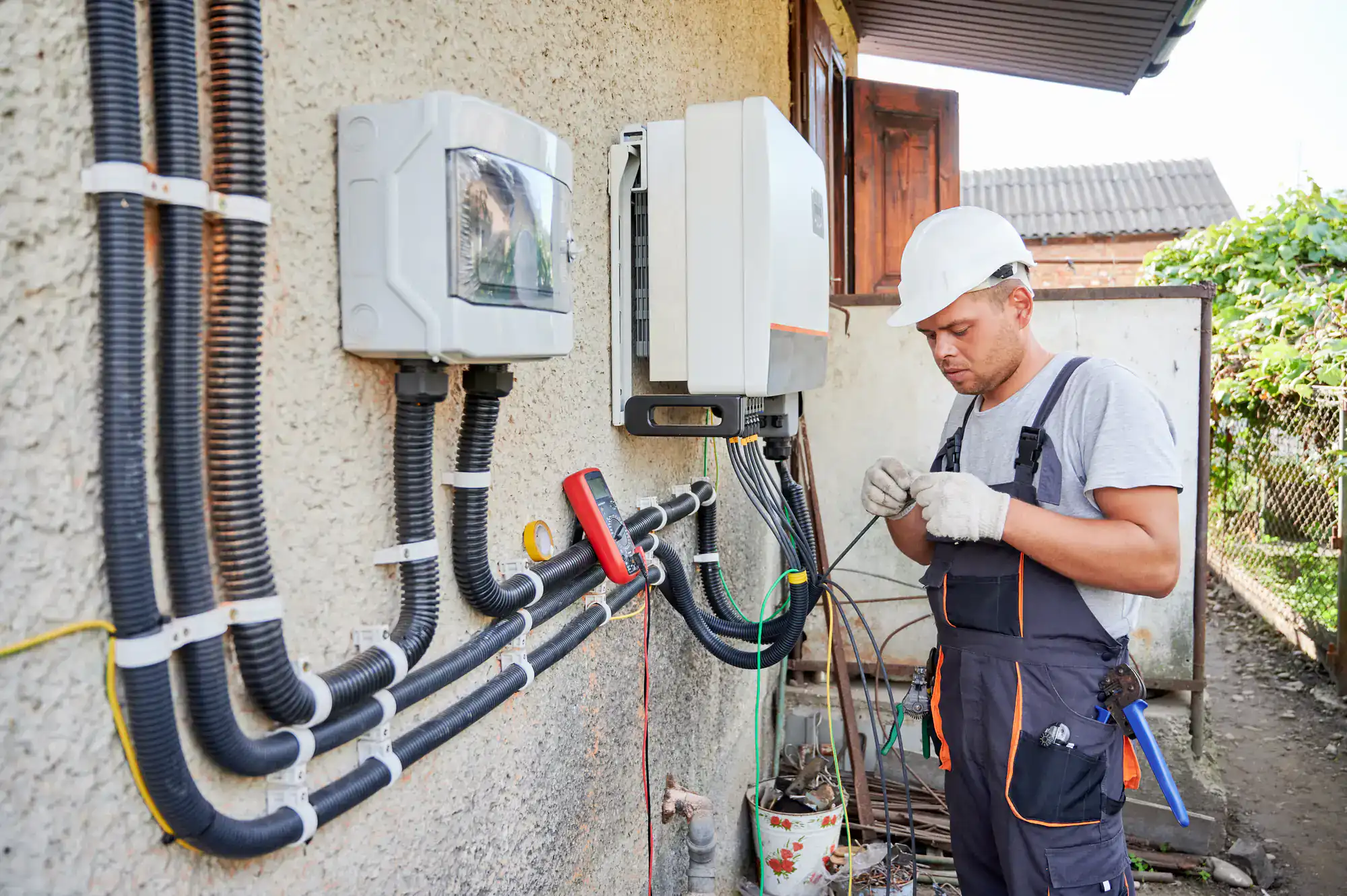
An electrician from electricians Providence County, RI, wearing a white helmet and overalls, works with wires beside an outdoor electrical box mounted on a house wall. Various cables run along the wall and into the box.
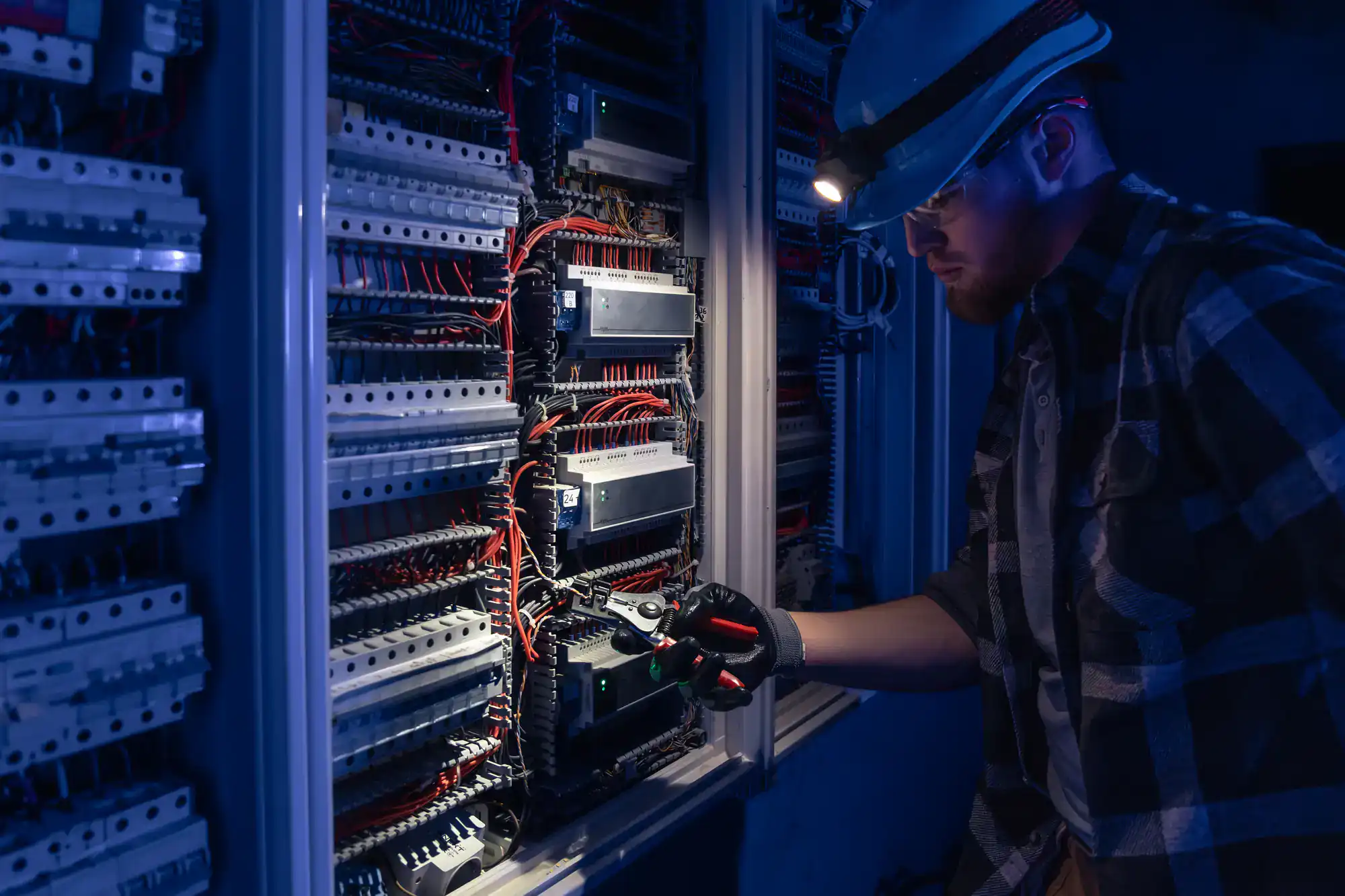
An electrician from electricians Providence County, RI, wearing a helmet and headlamp, inspects and works on a large electrical panel with numerous wires and circuit breakers in a dimly lit setting.

Residential Electrician Central Falls, RI

Electrical Systems That Actually Work for Modern Life

You flip a switch and expect the lights to come on. You plug in your phone and expect it to charge. When you’re running the AC, the microwave, and charging your car, you expect the panel to handle it without tripping.

That’s not asking too much. But if your home was built before 1980—and nearly half the homes in Central Falls were—your electrical system might be struggling to keep up with what you’re asking it to do.

Outdated wiring isn’t just inconvenient. It’s the reason your breakers keep tripping, your outlets feel warm, or your lights flicker when the fridge kicks on. Knob and tube wiring, aluminum wiring, and 100-amp panels weren’t designed for the way you live now. They were built for a time when homes had a fraction of the electrical demand.

Upgrading your electrical system means you stop worrying about whether your house can handle your life. It means reliable power, safer wiring, and a home that’s ready for whatever you plug into it.

Certified Electrician Central Falls, RI

Three Decades Serving Central Falls Homes and Businesses

We’ve been doing electrical work in Central Falls and across Rhode Island for over 30 years. We’re licensed, insured, and certified—but what matters more is that we know these homes.

We know what it’s like to open up a wall in a Central Falls triple-decker and find wiring that hasn’t been touched since the 1940s. We’ve upgraded panels in mill-era buildings, rewired kitchens in tight spaces, and installed generators for families who can’t afford to lose power during a storm.

You’re not getting a national franchise or a contractor who just started last year. You’re working with electricians who’ve seen it all and know how to fix it right the first time.

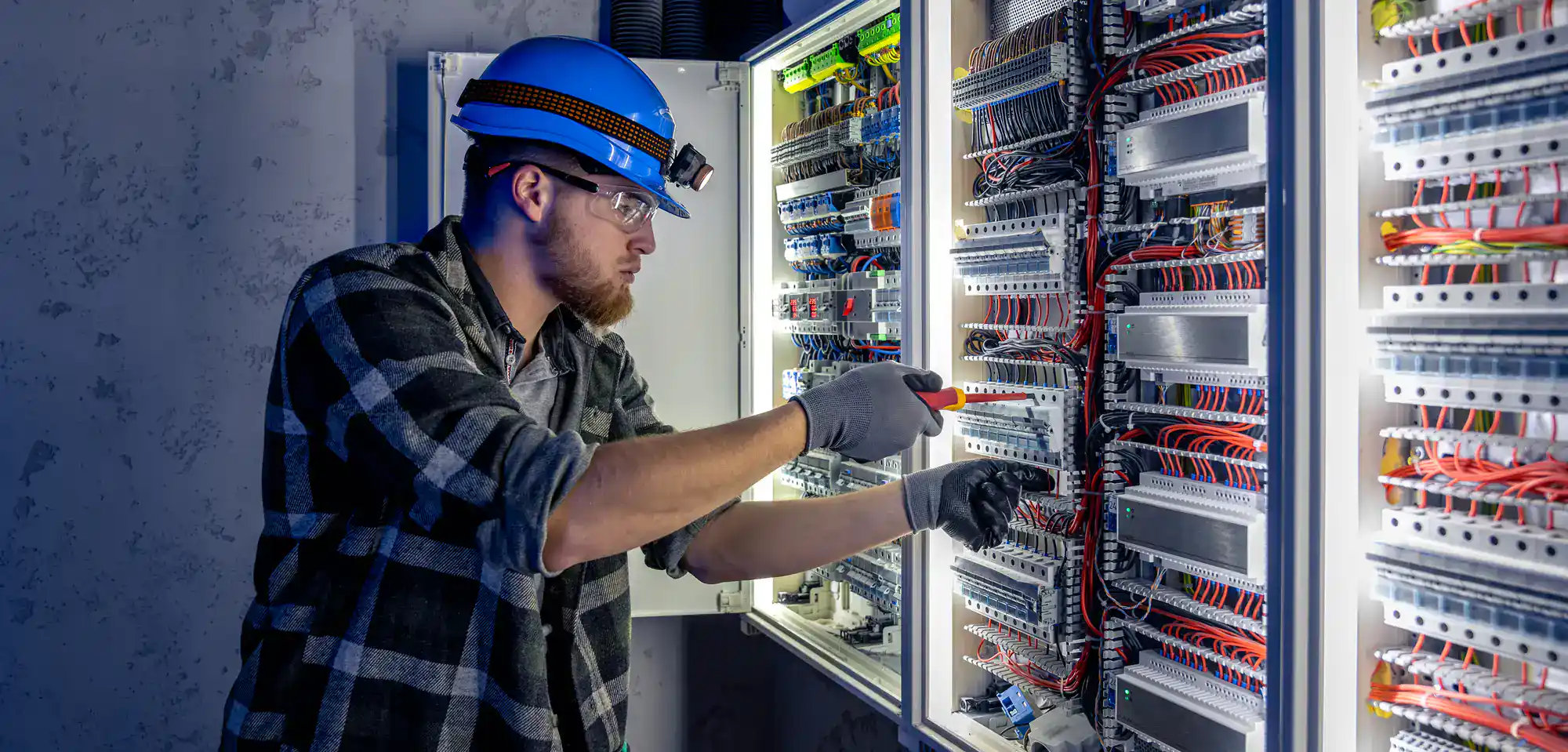
An electrician in Providence County, RI, wearing safety gear, works with wires and components inside an open electrical control panel, using a screwdriver and carefully inspecting the connections.

Electrical Repair Central Falls, RI

What Happens When You Call for Electrical Work

You call or reach out online. We’ll ask a few questions about what’s going on—whether it’s a repair, an upgrade, or a new installation—and schedule a time that works for you.

When we show up, we assess the situation. If it’s a panel upgrade, we’ll check your current setup, talk through what you need based on how you use power, and explain what the work involves. If it’s a repair, we’ll diagnose the issue and walk you through the fix before we start.

Once the work begins, we handle everything—permits, inspections, cleanup. You don’t have to chase down paperwork or wonder if it’s up to code. When we’re done, your electrical system works the way it should.

And if something doesn’t feel right after we leave, you call us. We stand behind the work.

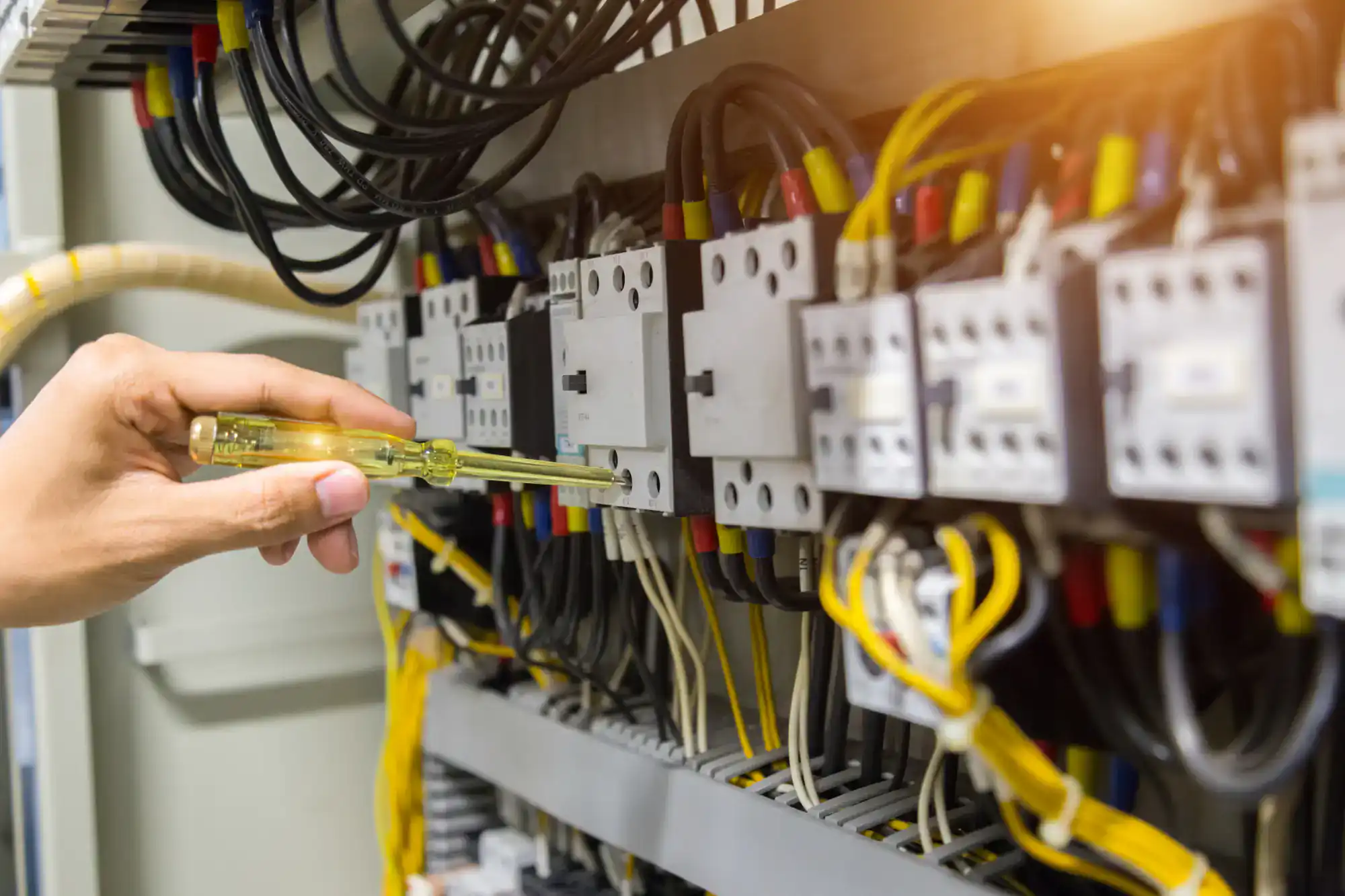
A hand holding a screwdriver tests or repairs an electrical control panel filled with wires, switches, and circuit components—just the kind of work skilled electricians in Providence County, RI handle daily.

Explore More Services

About Lightning Electric

Electrical Wiring Services Central Falls, RI

Electrical Services Built Around How You Actually Live

Central Falls has some of the oldest housing stock in Rhode Island. The median construction year is 1944, which means a lot of homes are running on electrical systems that were never designed for modern appliances, HVAC systems, electric vehicles, or smart home devices.

If you’re dealing with frequent breaker trips, outlets that don’t work, or wiring that an inspector flagged, you’re not alone. Knob and tube wiring replacement is one of the most common jobs we do here. It’s outdated, it’s a fire risk, and most insurance companies won’t cover homes that still have it.

We also handle panel upgrades—swapping out old 100-amp panels for 200-amp systems that can actually support your household’s electrical load. Generator installation is another big one, especially with how unpredictable storms have been. When the power goes out, a backup generator keeps your fridge running, your heat on, and your family comfortable.

For commercial clients, we’ve completed over 1,500 projects across Rhode Island. Retail spaces, offices, warehouses—we handle the electrical work that keeps your business running and up to code.

A construction worker wearing an orange hard hat installs or repairs a smoke detector on a white ceiling in an industrial-style building in Providence County, RI. He is focused and using specialized electricians’ tools for the task.

How do I know if my home's electrical wiring needs to be replaced?

If your home was built before 1980, there’s a good chance your wiring is outdated. The most obvious signs are frequent breaker trips, flickering lights, outlets that feel warm to the touch, or a burning smell near switches or outlets.

Knob and tube wiring and aluminum wiring are both red flags. Knob and tube was common in homes built before the 1950s, and it’s not grounded—which makes it a serious safety risk. Aluminum wiring was used in the 1960s and 70s, and it expands and contracts with temperature changes, which can cause loose connections and potential fire hazards.

If you’re buying a home and the inspector mentions outdated wiring, don’t ignore it. Most insurance companies won’t cover homes with knob and tube wiring, and even if they do, your premiums will be higher. Replacing old wiring isn’t just about safety—it’s about protecting your investment and making sure your home can handle the electrical demands of modern life.

A panel upgrade means replacing your existing electrical panel with one that can handle more power. Most older homes in Central Falls have 100-amp panels, which were fine when homes had fewer appliances and electronics. But if you’re running central air, a washer and dryer, a dishwasher, multiple computers, and charging devices all at once, a 100-amp panel is going to struggle.

The process starts with an assessment. We’ll look at your current panel, check your electrical load, and determine what size panel you need. In most cases, a 200-amp panel is the right move. It gives you the capacity to add new circuits, install a generator, or upgrade to electric heating or an EV charger down the line.

The actual work involves shutting off power to your home, removing the old panel, installing the new one, and reconnecting all your circuits. We handle the permit and inspection process, and we make sure everything is up to code. The whole job usually takes a day, and when it’s done, you’ll have a panel that can handle your household’s electrical needs without constantly tripping breakers.

Rhode Island has some of the highest electricity rates in the country. Right now, residential customers are paying around 28 to 29 cents per kilowatt-hour, which is about 46% higher than the national average. That’s not because you’re using more power than anyone else—it’s because of how the state sources and distributes electricity.

The region relies heavily on natural gas, and Rhode Island has limited energy infrastructure and strict renewable energy requirements, which drive up costs. So even if you’re careful about turning off lights and unplugging devices, your bill is still going to be higher than it would be in most other states.

That said, there are ways to reduce your usage. Upgrading to energy-efficient lighting, installing a programmable thermostat, and making sure your electrical system isn’t wasting power can all help. If your wiring is old and inefficient, it could be drawing more power than it should. A panel upgrade or rewiring job won’t change the rate you’re paying, but it can reduce how much electricity you’re actually using.

Generator installation typically takes one to two days, depending on the size of the unit and how your home is set up. We’re an authorized Generac dealer, so we handle everything from helping you choose the right generator to installing it and making sure it’s connected properly to your electrical system.

The process starts with a site assessment. We’ll look at where the generator will go, what you want it to power during an outage, and how it will connect to your panel. Most homeowners want their generator to cover essentials—refrigerator, heating or cooling, lights, and maybe a few outlets. Some want whole-home coverage, which requires a larger unit.

Once you’ve chosen a generator, we’ll schedule the installation. We’ll set the unit on a concrete pad, run the gas line or propane connection, and wire it to your electrical panel with a transfer switch. The transfer switch is what allows the generator to kick on automatically when the power goes out, and it prevents backfeeding, which can be dangerous.

After installation, we test the system to make sure everything works. We’ll also walk you through basic maintenance so you know how to keep it running smoothly. When the next storm hits and your power goes out, your generator will start up on its own, and you won’t be sitting in the dark.

Yes. Any significant electrical work in Central Falls requires a permit, and the work needs to be inspected to make sure it meets the National Electrical Code and local requirements. That includes panel upgrades, rewiring, new circuits, generator installations, and most repairs that involve opening up walls or working inside the panel.

A lot of homeowners don’t realize this until they’re selling their home and the buyer’s inspector asks for proof that the electrical work was permitted. If it wasn’t, you could be forced to have the work redone or re-inspected, which costs time and money.

When you hire a licensed electrician in Central Falls, RI, permits and inspections are part of the process. We pull the permits, schedule the inspections, and make sure everything is documented. You don’t have to deal with the city or worry about whether the work is up to code—that’s on us. And when the job is done, you’ll have the paperwork to prove the work was done legally and safely.

Turn off the breaker that controls that outlet or switch, and don’t use it until an electrician has looked at it. A burning smell is a serious warning sign, and it usually means there’s a loose connection, damaged wiring, or an overloaded circuit.

Loose connections create resistance, which generates heat. Over time, that heat can melt insulation, char wires, and eventually cause a fire. If the smell is coming from an outlet, it could also mean the outlet itself is damaged or that you’re drawing too much power through it.

Don’t try to fix it yourself, and don’t just ignore it because the outlet still works. Electrical fires don’t always start with visible flames—they can smolder inside your walls for hours before you notice. If you’re in Central Falls and you’re dealing with this, call us right away. We’ll open up the outlet or switch, check the wiring, and fix whatever’s causing the problem before it turns into something worse.

Other Services we provide in Central Falls