
For over 30 years, we’ve powered Rhode Island with expert electrical services delivered with a personal touch. Discover our story and commitment to quality.
Contact Info
You call your insurance agent back and tell them it’s done. They reinstate your policy, sometimes at a lower rate than before. You’re no longer one electrical surge away from a house fire.
Your home can finally handle what you plug into it. Coffee maker and toaster at the same time. Air conditioning on a hot summer day when the island fills with visitors. Charging stations, wifi routers, modern appliances—all without worrying about overloading a system designed for oil lamps and radios.
If you’re selling, buyers can actually get a mortgage. If you’re staying, you can insulate your walls legally and stop heating the Atlantic Ocean all winter. The electrical inspector signs off. The building department approves your permit. You move forward instead of staying stuck with a problem that only gets more expensive the longer you wait.
We’ve been working on Block Island properties since before the Sea2Shore cable connected the island to mainland power in 2017. We know these old cottages, farmsteads, and Victorian-era homes because we’ve opened their walls and seen what’s inside.
We’re licensed Master Electricians who pull permits, schedule inspections, and do the work that passes the first time. We’re members of the Rhode Island Electrical Inspectors IAEI Roger Williams Chapter. Our trucks make the ferry trip, our crews know the building officials, and we’ve worked with every insurance company that covers properties in New Shoreham.
You’re not getting a mainlander who’s never dealt with a historic Block Island property. You’re getting electricians who understand that your home is both an investment and part of the island’s character—and that the wiring needs to be right.
We start with an assessment of your existing system. We map out where the old knob and tube wiring runs, identify how much needs replacement, and figure out the best path for new wiring that minimizes damage to your walls and ceilings. You get a clear estimate before we start.
Once you approve the plan, we pull the permit with the town. Then we run new wiring—modern romex cable with proper grounding—through your walls, attic, and basement. We install a new breaker panel that can handle the load your home actually needs. We do this carefully because we know you don’t want your plaster walls destroyed or your historic trim ripped apart.
After the wiring is in, we call for inspection. The electrical inspector comes out, checks the work, and signs off if everything meets code. Then we patch, paint, and clean up. You get a certificate of completion to send to your insurance company, and your home is ready for another century.
Ready to get started?
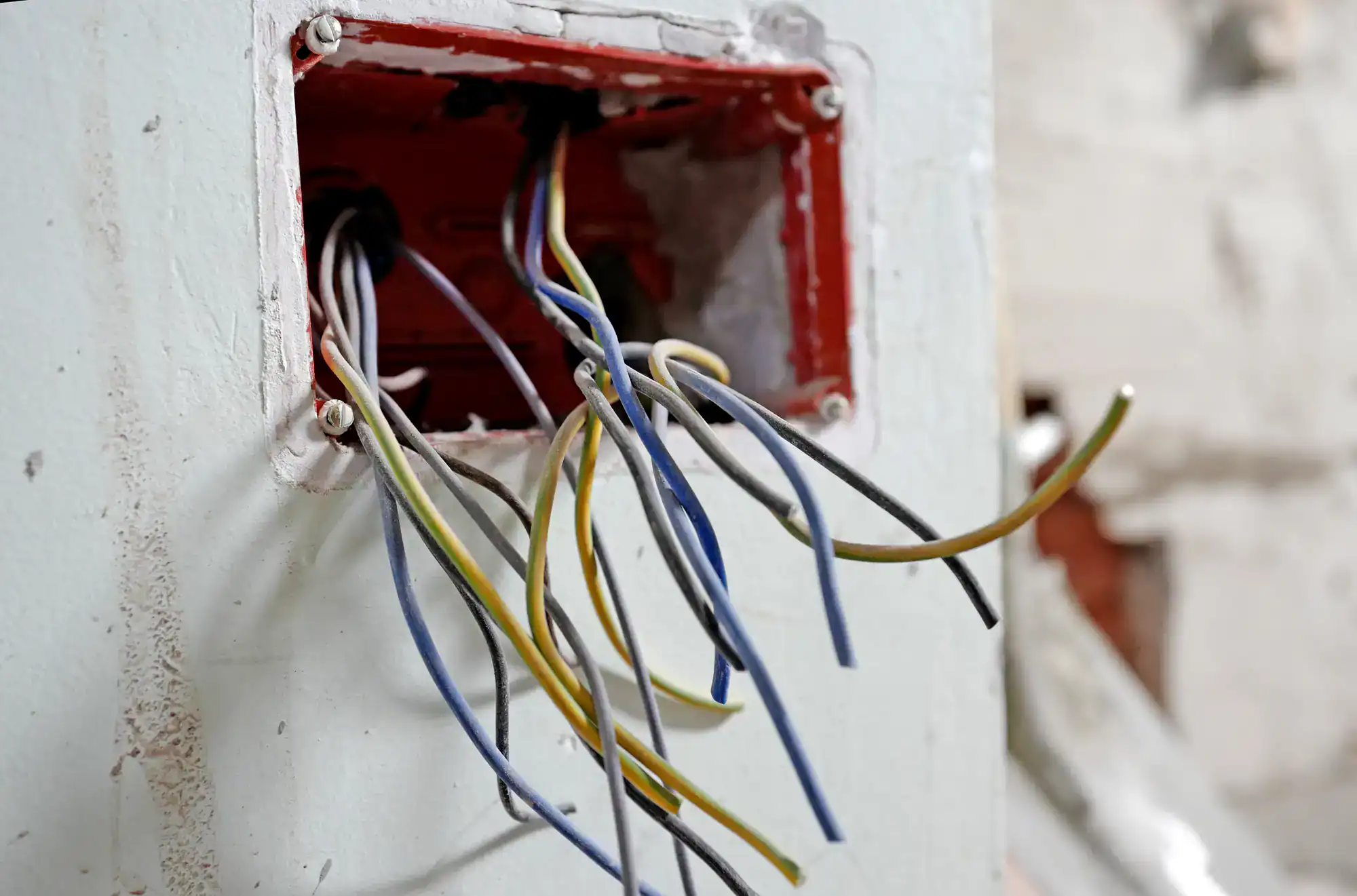
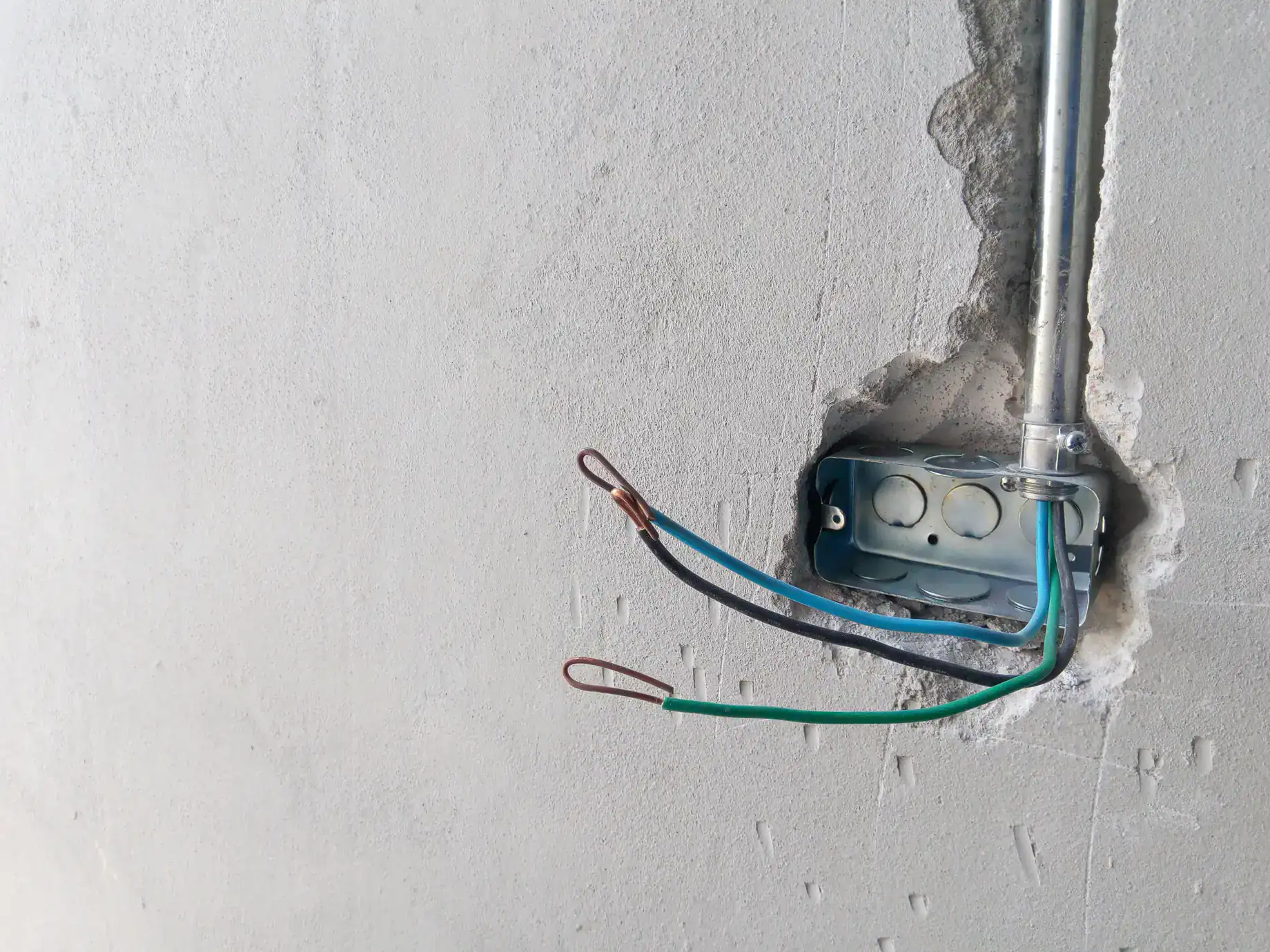
A complete knob and tube wiring removal in New Shoreham means replacing every section of old wiring with grounded electrical cable. That includes running new circuits from your panel to every outlet, switch, and fixture. You get a modern breaker panel—usually 100 or 200 amps depending on your home’s size—that can handle today’s electrical demands.
We ground your entire system properly, which the old knob and tube wiring never had. This protects you from shocks and gives your electronics the clean power they need. We bring everything up to current National Electrical Code standards and local requirements so it passes inspection without issues.
Block Island homes have unique challenges. Many have limited attic access, old plaster walls, and layouts that make fishing wire complicated. We’ve handled these situations hundreds of times. We know how to work around your home’s quirks without causing unnecessary damage, and we know which building officials will be reviewing the permit.
The job takes one to three weeks depending on your home’s size and how much wiring needs replacement. You can usually stay in the house during the work, though you’ll have power outages in specific areas as we make connections.
Most Block Island homeowners spend between $12,000 and $36,000 to replace knob and tube wiring completely. The actual cost depends on your home’s square footage, how accessible the wiring is, and how much of your electrical system needs replacement.
Smaller cottages with open attic access and unfinished basements cost less because we can run wire without opening many walls. Larger historic homes with finished spaces on all levels cost more because we need to open walls, patch, and repaint. If your plaster is in rough shape or you’re already planning renovations, the timing can actually work in your favor.
You’re not just paying for wire and labor. You’re paying for permits, inspections, a new breaker panel, grounding your entire system, and bringing everything up to code. That’s what makes your home insurable and safe. The cheapest option is usually the one that fails inspection or leaves you with problems down the road.
Yes. Most insurance companies in Rhode Island either refuse to insure homes with knob and tube wiring or give you 30 to 60 days to replace it after they find out. Some will cover you at a much higher premium, but that’s becoming rare.
The reason is simple: knob and tube wiring causes fires. When you cover it with insulation, run too much power through it, or let the old cloth insulation deteriorate, it overheats. Insurance companies have paid out enough claims that they won’t take the risk anymore.
If you’re buying a home, your lender requires insurance. No insurance means no mortgage. If you own your home outright, you might think you can skip insurance, but that’s a terrible gamble on an island where fire departments have limited resources and your home represents most of your net worth. Replace the wiring and keep your coverage.
We can minimize wall damage, but we can’t eliminate it completely. Modern electrical code requires proper installation methods, and that sometimes means opening walls to run wire correctly and safely.
The good news is we’re careful. We use techniques like fishing wire through existing pathways, accessing circuits from the attic or basement when possible, and making strategic cuts that are easier to patch. We’re not demo crews—we’re electricians who’ve worked in hundreds of old homes and understand that you don’t want your house torn apart.
Some wall damage is unavoidable, especially at outlet and switch locations where we need to install modern boxes. But we patch holes, match textures when we can, and leave your home in good shape. If you’re already planning other renovations, coordinating the electrical work with those projects can save you money on repairs.
Plan on one to three weeks for a complete knob and tube wiring removal, depending on your home’s size and complexity. A small cottage might take a week. A larger Victorian with multiple floors and finished spaces could take three weeks or more.
The timeline includes the actual electrical work, inspection scheduling, and any necessary repairs to walls and ceilings. We work efficiently, but we don’t rush. Electrical work needs to be right the first time, and inspections won’t pass if we cut corners.
Block Island logistics add time too. Materials and equipment come over on the ferry. If we need something unexpected, it’s not a quick trip to the supply house. We plan carefully and bring what we need, but weather and ferry schedules can affect timing. Most homeowners find the timeline reasonable once they understand what’s involved.
If you want insurance coverage and a safe home, yes. Partial replacement doesn’t solve your problem. Insurance companies want it all gone, and inspectors want your entire system up to code.
Some electricians will tell you they can leave knob and tube wiring in place if it’s not being used. That’s technically true, but it doesn’t help you. Your insurance company won’t care that it’s “disconnected.” They want it removed. And if you’re spending the money to open walls and upgrade part of your system, finishing the job makes more sense than leaving old wiring to deal with later.
The only exception is if you’re doing a phased renovation and the insurance company agrees to a timeline for complete replacement. But that’s rare. Most situations call for complete removal, and that’s what we recommend. Do it once, do it right, and move on with your life.
Your buyer’s home inspector will find the knob and tube wiring and flag it in their report. Then their insurance company will refuse coverage, which means their lender won’t approve the mortgage. Your sale falls through unless you replace the wiring or drop your price enough that the buyer can pay for the upgrade.
Most sellers end up replacing the wiring before listing or negotiating a credit at closing. The problem is that buyers don’t know what the job will actually cost, so they ask for more than necessary. You lose negotiating power and often spend more in price reductions than the rewiring would have cost.
If you’re planning to sell in the next few years, replace the wiring now. You’ll get a better price, attract more buyers, and close faster. Block Island real estate moves when properties are ready to go. Homes with deferred maintenance and safety issues sit on the market while buyers choose homes they can actually insure and finance.