
Knob and Tube Wiring Removal in Lincoln, RI

Get Insurance Coverage and Stop Worrying About Fires

We remove old knob and tube wiring in Lincoln, RI homes and replace it with modern, code-compliant electrical systems that insurance companies actually approve.
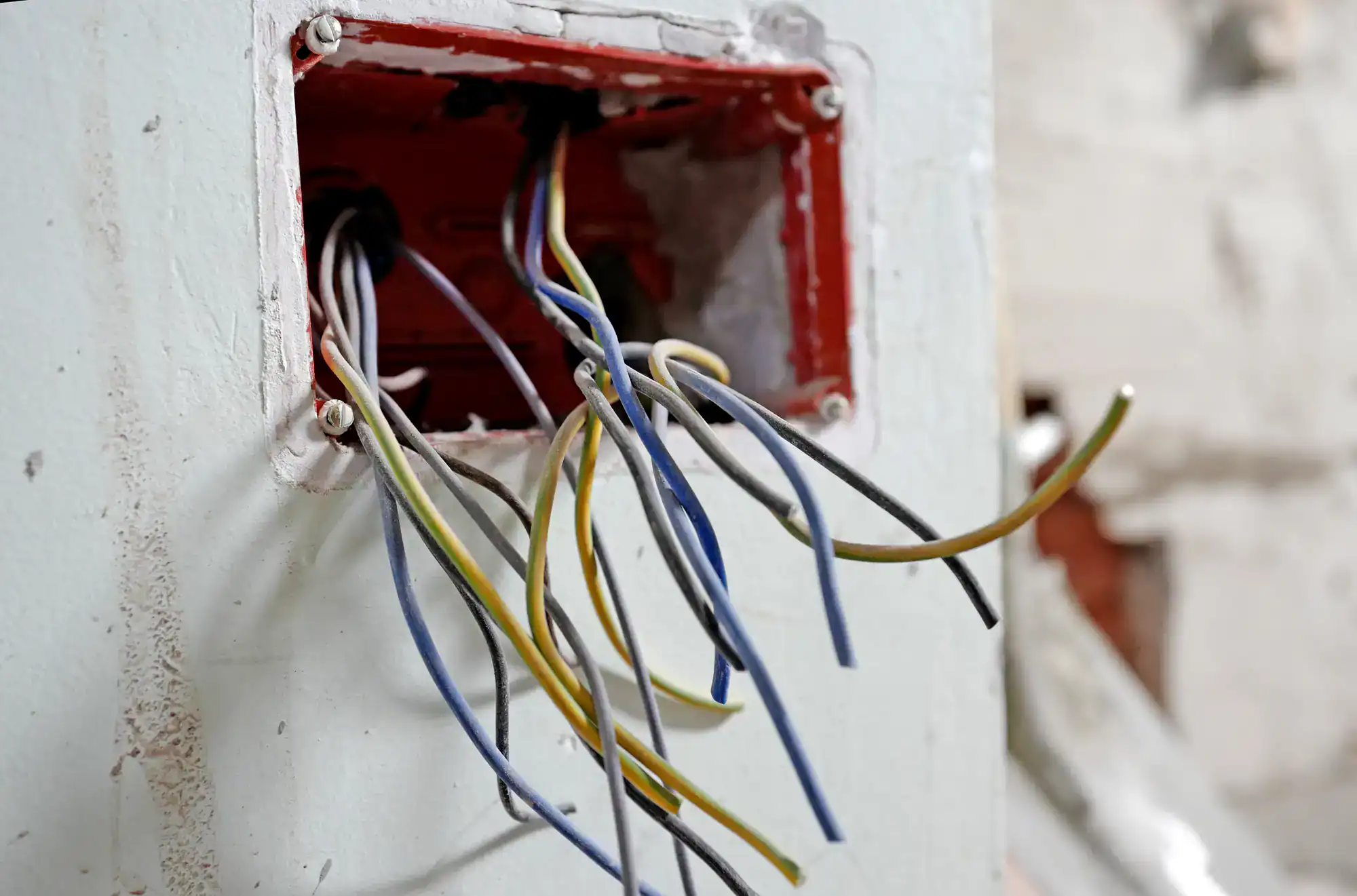
A close-up of an electrical junction box in a wall with multiple exposed wires of different colors hanging out, indicating ongoing or unfinished electrical work by electricians Providence County, RI.
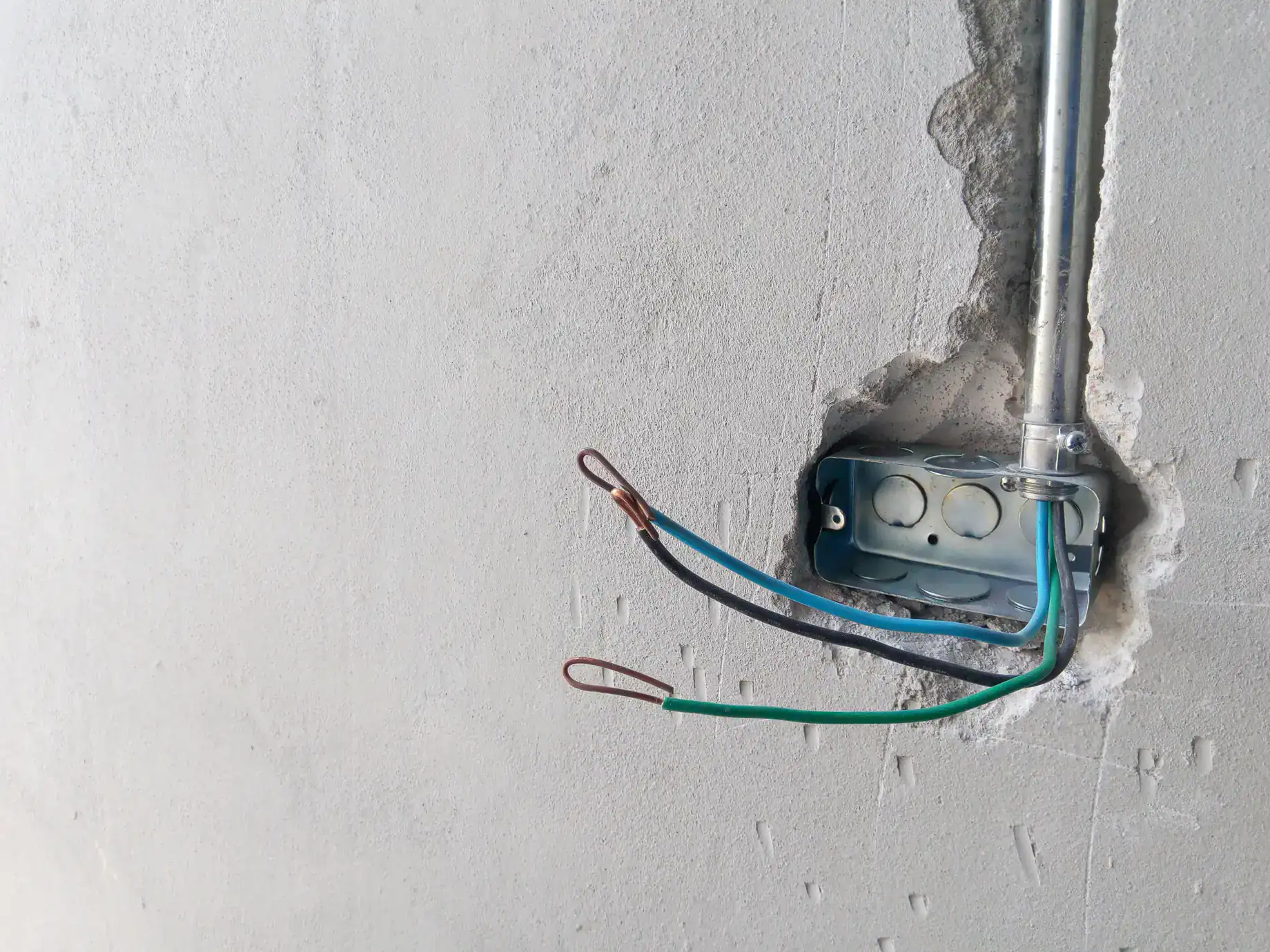
An electrical junction box mounted in a wall with three exposed wires—black, green, and blue—protruding from it. The wires have looped ends, and the unfinished wall suggests ongoing work by electricians in Providence County, RI.

Replace Knob and Tube Wiring Lincoln, RI

What Your Home Looks Like After We're Done

You’ll finally qualify for homeowners insurance without getting turned down or paying inflated premiums. Most insurance companies in Rhode Island won’t touch homes with knob and tube wiring because the fire risk is too high. Once we replace outdated wiring in your house, that problem goes away.

Your electrical system will actually handle what you plug into it. Modern homes need power for computers, kitchen appliances, HVAC systems, and everything else you use daily. Knob and tube wiring wasn’t designed for that load, which is why you might notice flickering lights or warm outlets when multiple things are running.

The fire hazard disappears. When old wiring gets covered with insulation during renovations, it overheats. That’s how electrical fires start in older Lincoln homes. A modern electrical system upgrade for old homes includes proper grounding and circuit protection that knob and tube systems simply don’t have.

Knob and Tube Electrician Lincoln, RI

We've Been Doing This for 30 Years

Lightning Electric has been handling electrical work across Rhode Island since before knob and tube removal became the insurance requirement it is today. We’re fully licensed Master Electricians who know exactly what Lincoln’s older homes need.

With a median home age of 44 years in Lincoln, we see this wiring constantly. Many of the homes built before 1950 in your area still have it, and we’ve removed it from hundreds of properties just like yours. We know how to work in older homes without tearing apart your walls unnecessarily.

We’re local, we’re insured, and we give you a certificate of insurance when the job’s done. That’s what your insurance company will ask for.

Exposed electrical wires and connectors hang from a partially finished ceiling with metal framing and visible drywall seams, awaiting professional attention from electricians in Providence County, RI, in a room under construction or renovation.

Old Home Electrical Wiring Replacement Lincoln

Here's What Happens During the Removal Process

We start with an assessment of your current electrical setup. That means looking at where the knob and tube wiring runs, what’s been modified over the years, and what your actual power needs are now. A lot of older homes in Lincoln have had DIY additions that created safety issues we need to address.

Then we map out the new system. We install modern wiring with proper grounding, updated circuit breakers, and enough capacity for how you actually live. This isn’t about matching what was there before—it’s about building an electrical system that works for a modern household.

The removal itself is done carefully to minimize damage to your walls and plaster. We’re not here to gut your house. We know how to fish new wiring through older construction and keep disruption as low as possible. Once everything’s installed, we test the system, bring it up to current Rhode Island electrical code, and make sure you have documentation for your insurance company.

A man wearing a white hard hat and yellow safety vest uses a multimeter to check electrical connections inside an open control panel—typical work for electricians in Providence County, RI.

Explore More Services

About Lightning Electric

Electrical System Upgrade Lincoln, RI

What's Included in a Full Wiring Replacement

You get complete removal of the old knob and tube wiring—not just covering it up or patching sections. Insurance companies check for this, and partial removal doesn’t cut it. We pull out the old system and replace it with grounded circuits that meet the National Electrical Code.

The new installation includes updated circuit breakers, proper load distribution, and enough capacity for modern appliances. In Lincoln, where the median household income is over $115,000, most families have homes with significant electrical demands. Your system should support that without constantly tripping breakers or creating hazards.

We also handle the inspection and documentation. Rhode Island requires permits for this type of work, and you’ll need proof that everything was done to code when you talk to your insurance company. We provide a certificate of insurance and make sure the local inspector signs off on the job. That paperwork matters when you’re trying to get coverage or sell your home down the line.

A worker in a hard hat and orange safety vest, like skilled electricians in Providence County, RI, stands before an open electrical panel, inspecting the wiring and components while holding a laptop in an industrial setting.

Will my insurance company actually drop me if I have knob and tube wiring?

Yes, and it happens more often than most homeowners realize. Insurance companies view knob and tube wiring as a serious liability because of the fire risk. Between 2010 and 2014, electrical failures caused over 45,000 home fires per year in the U.S., and nearly half involved old wiring and related equipment.

Most insurers in Rhode Island will either deny you coverage outright or offer a policy with a much higher premium. Some might give you a limited window to replace the wiring before they cancel your policy. If you’re buying a home in Lincoln and the inspection reveals knob and tube wiring, expect your insurance application to get complicated fast.

The bottom line is this: you can’t count on finding affordable coverage with that wiring in place. Even if one company agrees to insure you, you’re paying extra every year for a risk that you could eliminate by upgrading your electrical system.

Most full replacements run between $10,000 and $36,000, depending on your home’s size and how much wiring needs to be replaced. The national average falls between $10 and $20 per square foot, but the actual cost depends on how accessible your wiring is and what kind of modifications have been made over the years.

Homes in Lincoln with multiple stories, finished basements, or previous renovations tend to cost more because the work is more involved. If your walls are already open for other remodeling, that’s the ideal time to do this—it saves money on access and repair work.

We price every job individually because no two homes are the same. You’ll get a clear estimate upfront based on what your house actually needs, not a generic quote. And if you’re buying a home with knob and tube wiring, you can use our estimate to negotiate a lower purchase price with the seller.

You can, but it won’t solve your insurance problem. Most insurance companies want confirmation that all knob and tube wiring has been removed from the property. Partial replacement might reduce some fire risk, but it doesn’t meet the standard that insurers require for coverage.

There’s also a practical issue: if you’re only replacing part of the system, you’re still relying on old wiring that wasn’t designed for modern electrical loads. That means you’re still dealing with the same capacity problems, the same lack of grounding, and the same risk of overheating when insulation is present.

If budget is a concern, talk to us about phasing the work. We can prioritize the most dangerous sections first and create a plan to complete the rest over time. But understand that until it’s fully replaced, you’re going to have trouble with insurance and you’re not eliminating the fire hazard.

For most homes in Lincoln, expect the job to take anywhere from three days to two weeks. The timeline depends on the size of your house, how much wiring needs to be replaced, and how accessible everything is. A small ranch with an unfinished basement goes faster than a two-story colonial with finished rooms throughout.

We work efficiently, but we’re not cutting corners. This is precision work that involves running new circuits, installing breaker panels, connecting grounding systems, and making sure everything passes inspection. Rushing through it creates problems you’ll pay for later.

You’ll still be able to live in your home during most of the work, though there will be times when power needs to be shut off to specific areas. We’ll walk you through the schedule before we start so you know what to expect and can plan accordingly.

Flickering lights are one of the most common signs, especially when you’re running multiple appliances. That means the circuit is overloaded and the wiring is struggling to handle the demand. If you notice it happening regularly, your system is telling you it can’t keep up.

Warm or discolored outlets and switch plates are a bigger concern. That’s a sign of overheating, which is exactly how electrical fires start. If you ever see scorch marks, smell burning plastic, or feel heat coming from an outlet, shut off power to that circuit immediately and call an electrician.

Sparks when you plug something in or unplug it aren’t normal either. Neither are breakers that trip constantly or outlets that stop working for no clear reason. All of these point to a wiring system that’s failing. In older Lincoln homes where knob and tube wiring has been modified over the years by handymen instead of licensed electricians, these problems show up even more frequently.

Yes, because buyers won’t have to deal with the insurance headache or the safety risk. When someone’s looking at homes in Lincoln and they find out one has knob and tube wiring, that’s either a dealbreaker or a major negotiating point. You’re immediately at a disadvantage compared to other properties on the market.

A modern electrical system is a selling point. It shows that the home has been maintained and updated to current safety standards. Buyers appreciate not having to budget for a $10,000 to $36,000 wiring replacement right after closing. Real estate agents will tell you the same thing—homes with updated electrical systems move faster and command better prices.

Even if you’re not selling anytime soon, you’re protecting your investment. Electrical fires cause massive damage, and outdated wiring is one of the leading causes. Replacing it now means you’re not gambling with your property value or your family’s safety.

Other Services we provide in Lincoln